

Different amounts of red pigment in the hair shaft create a range of colors from cream to yellow to red. Intensity is a complex trait controlled by a number of different genes.
What is Phaeomelanin Intensity?
Phaeomelanin is a red pigment. It is one of the two pigment types in our dog’s coat. The other one is eumelanin which is responsible for black or brown coat colors.
Hair with a very low amount of red pigment appears whitish or cream. Hair with a lot of red pigment appears orange or red. And there is every possible color between these two extremes.
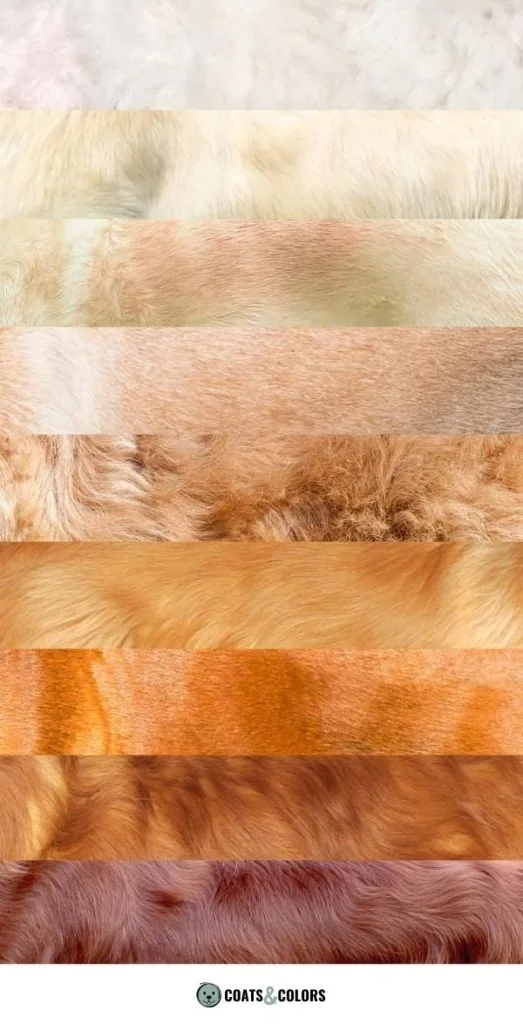
Ok. So dogs can have any color on the gradient between white and red.
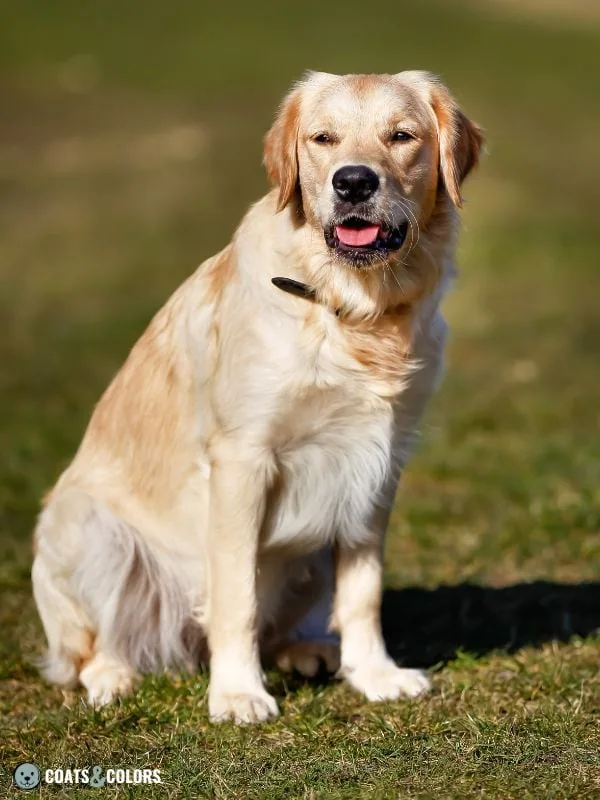
We often try to distinguish between general shades, namely white/cream (Samoyed, Westie), tan/yellow/golden (Golden Retrievers, Great Dane) or orange/rust/red (Vizsla, Irish Setter).
Most of the solid phaeomelanic dogs are recessive red. But many dogs that have a pattern with both pigment types (like sable, agouti, saddle, or tan point,).
The different shades of phaeomelanin affect any dog that has phaeomelanin in its pattern. Intensity controls the color of tan points or the color underneath a brindle phenotype.
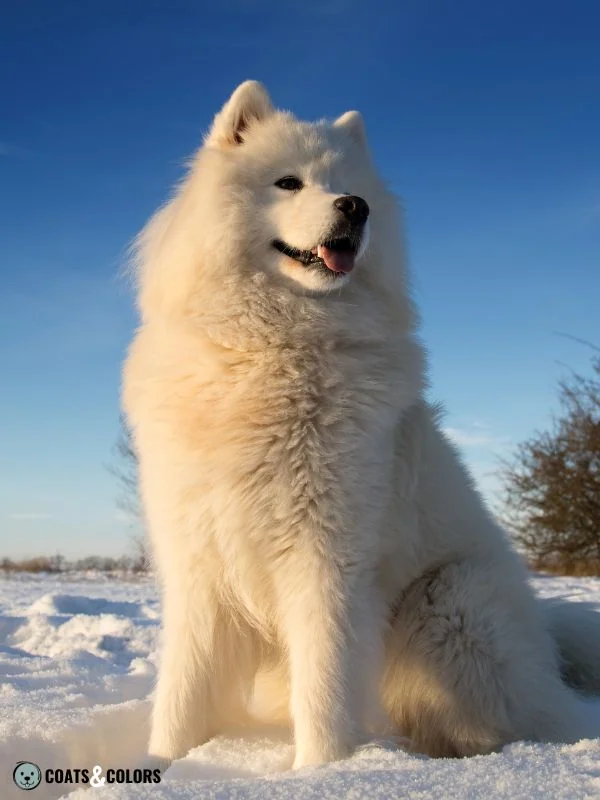
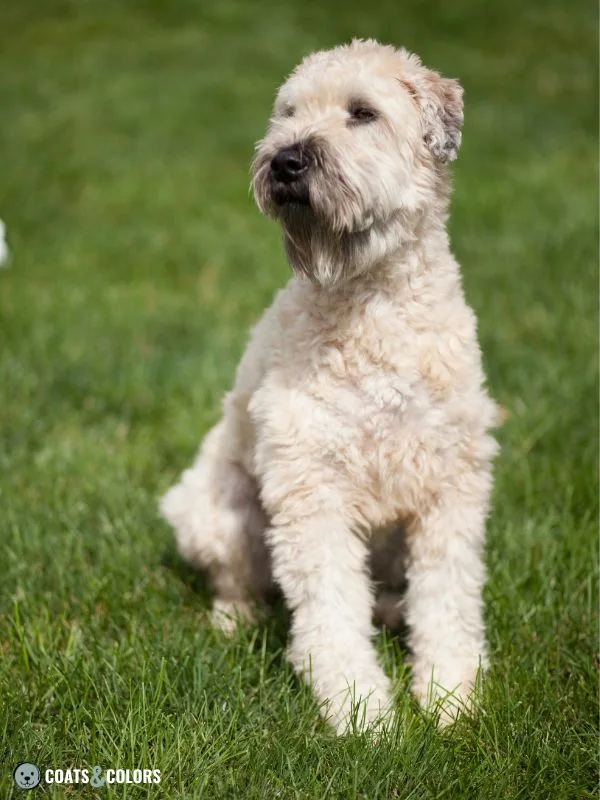
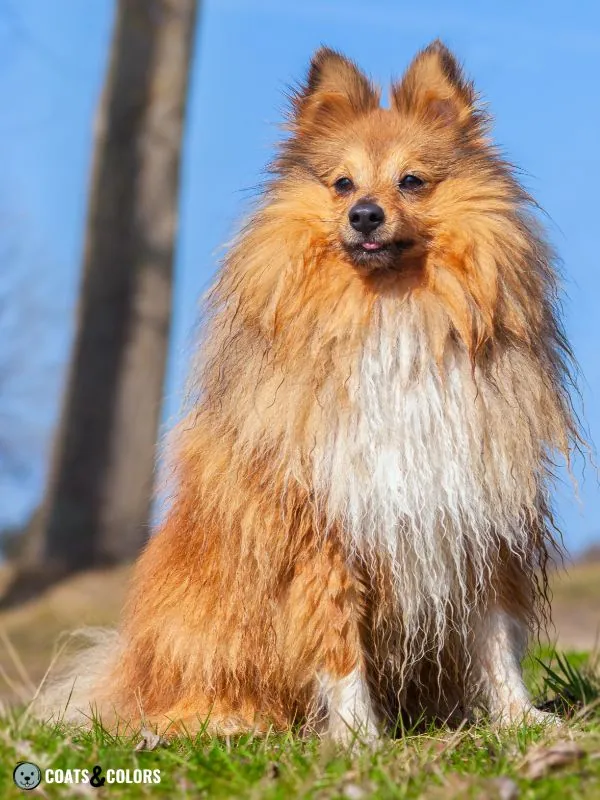

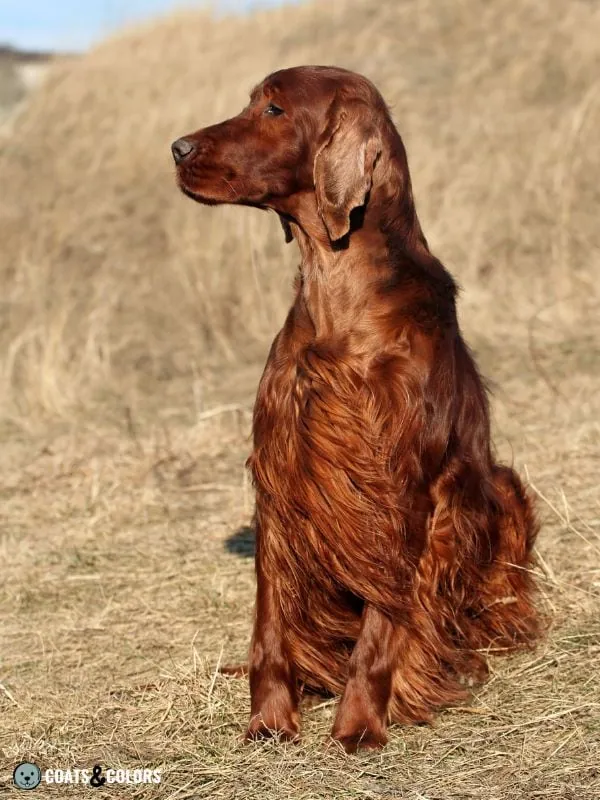
Many breeds aim for one general shade of phaeomelanin. When we think of West Highland White Terriers, Irish Red Setters, or Irish Soft Coated Wheaten Terriers we expect a certain color.
In other dog breeds, there is more variation. Labrador Retrievers, Chihuahuas or German Shepherd Dogs come in all colors from cream to red. And dogs with graying often have faded red colors.
Genes Controlling Phaeomelanin Intensity
For a long time, the intensity of red pigment was thought to be caused by variation at a theoretical Intensity Locus. In reality, intensity is controlled by a bunch of different genes.
So far, five different genes that affect red intensity have been detected[1]:
- MFSD12 on dog chromosome 20 explains color variation in Labradors and Golden Retrievers[3].
- KITLG explains color variation in Poodles, Nova Scotia Duck Tolling Retrievers and Irish Setters[4].
- Three loci found on chromosomes 2, 18 and 21 seem to be linked to red intensity.
Red intensity seems to be a multigenic trait and is not controlled by one single “I locus“.
But even the five loci known at the time of writing can only explain about 70 % of pheomelanin intensity variation found in dogs[1]. So there is still more to discover.
Some unknown intensity modifiers only affect certain patterns.
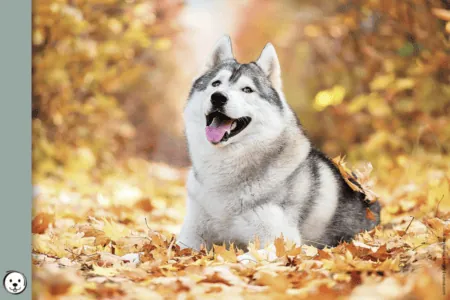
In some breeds like Japanese Akita, Siberian Husky or Chow Chows, all the recessive red dogs usually have a white coat. And dogs with any other pattern produce red colors.
I’m sure phaeomelanin intensity more predictable in the future. But for now, we have only very little knowledge of how different intensity genes interact with each other.
Some dogs with eumelanin color dilution tend to have lighter phaeomelanin, others don’t. We don’t know why dilution sometimes affects red colors and soemtimes it doesn’t.
Interestingly, KITLG on dog chromosome 15 might be linked to pigment fading. In Poodles, “red/red” translates to no graying, “red/cream” means a little graying, and “cream/cream” predicts heavy graying.
This not only causes the graying of eumelanin colors, but also the fading of red colors over time. For example, Poodle puppies that are born red may still lighten to apricot over time!
Cream
Dog breeds with very diluted red pigment have a biscuit, cream, ivory, or off-white color.
- American Eskimo Dog
- Bichon Frisé
- Bolognese
- Coton de Tuléar
- Havanese
- Hokkaido
- Japanese Akita
- Japanese Spitz
- Keeshond
- Kishu
- Komondor
- Kuvasz
- Maltese
- Maremma Sheepdog
- Miniature Schnauzer
- Mudi
- Norwegian Elkhound
- Poodle
- Samoyed
- Schnauzer
- Shiba
- West Highland White Terrier
- White Swiss Shepherd
Dog breeds with a very light phaeomelanin intensity are almost exclusively recessive red (no eumelanin) or domino (reduced eumelanin). The idea is that there may be untestable intensity modifiers that only affect dogs with these patterns. Some white dogs have reddish shading, mainly on the ears.
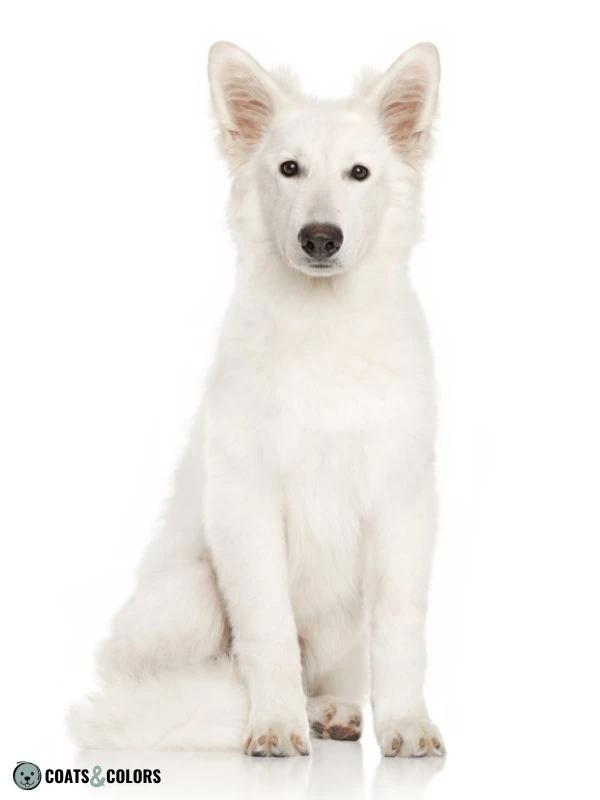
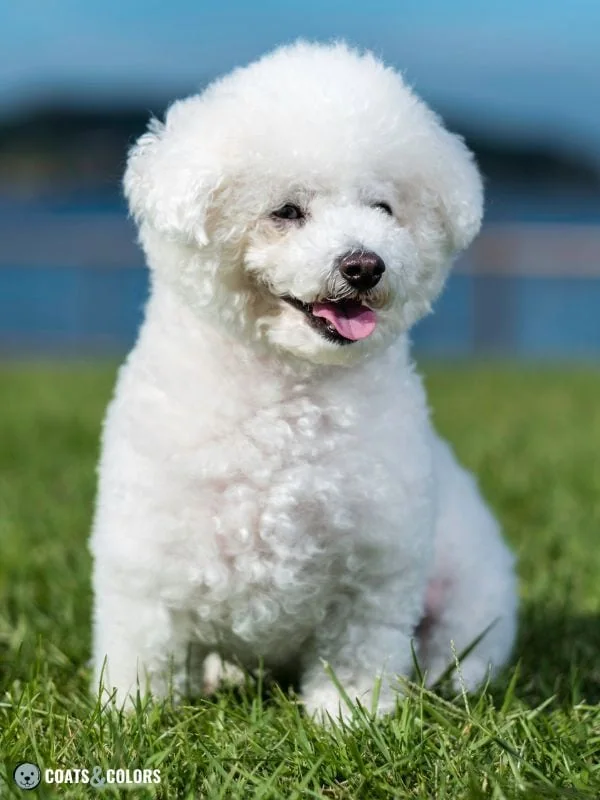
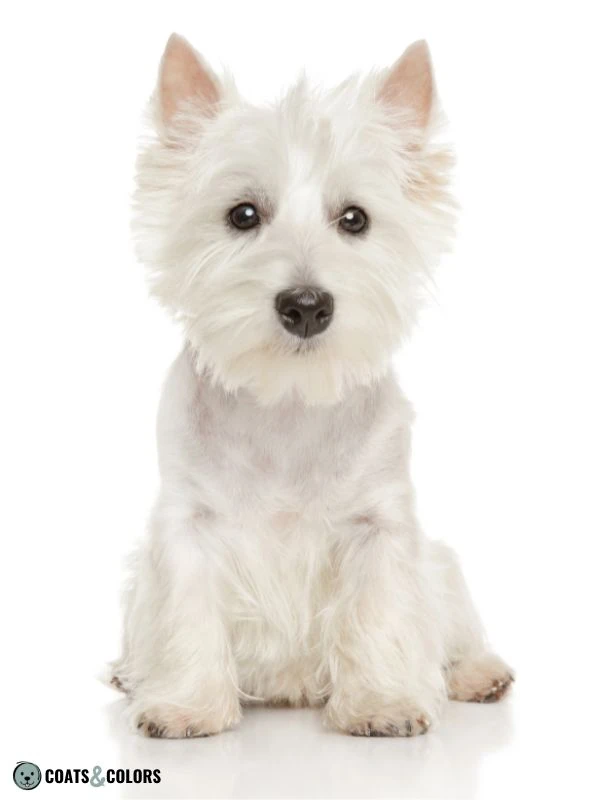

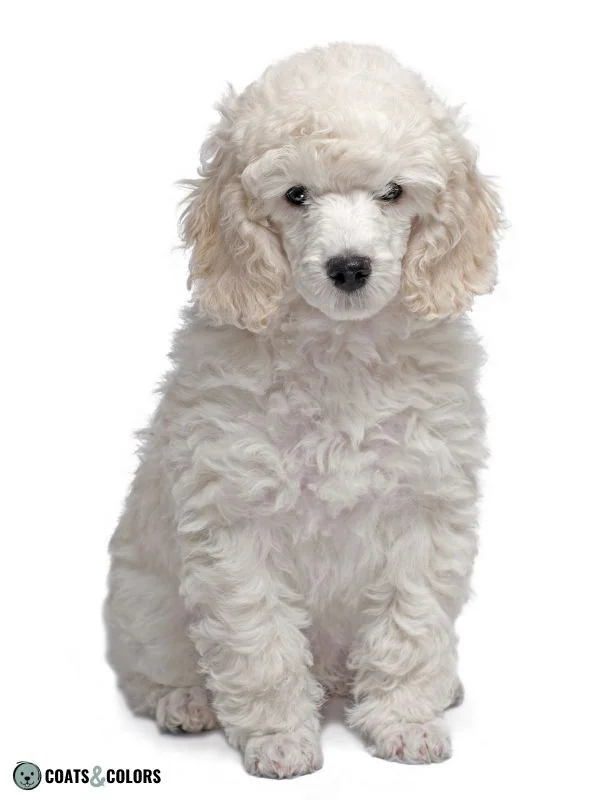

There’s an important difference between dogs that appear white due to having very light red pigment and truly white dogs without pigment.
But dog breeds that are white because of whitehead or extreme piebald (like Dalmatians or white Bull Terriers) have a somewhat increased risk to suffer from congenital deafness or sunburn. They can have unpigmented patches on their nose and skin and may have a butterfly nose or blue eyes.
Dogs with very light pigment do not suffer any of the problems related to pigment loss.
Yellow
A dog with a medium red density has a wheaten, tan, fawn, yellow, or golden color.
This segment spans a wide range of blonde colors between light yellow and light orange. I could have easily split this into further sub-categories. But you get the point.
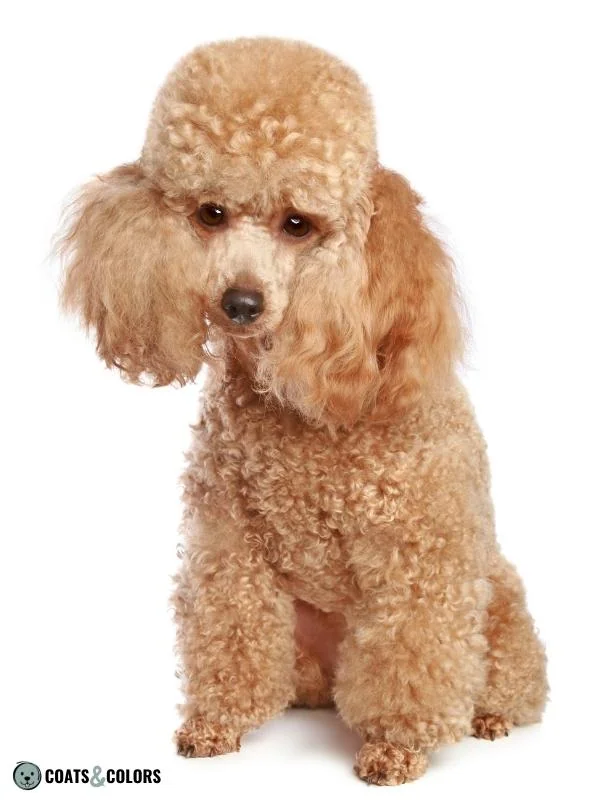
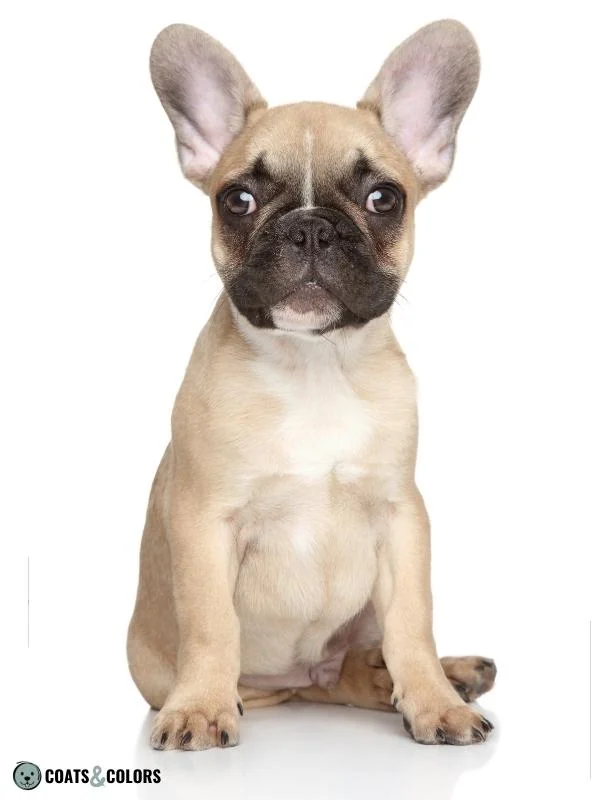
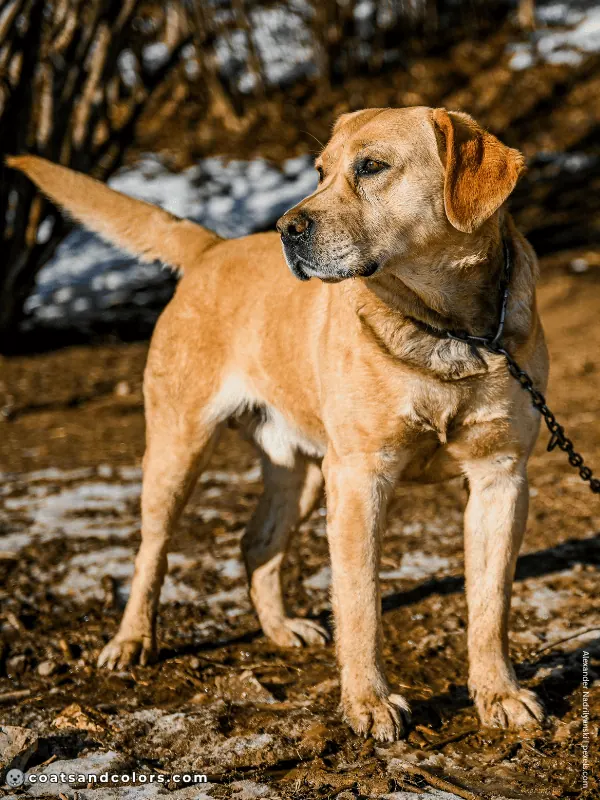
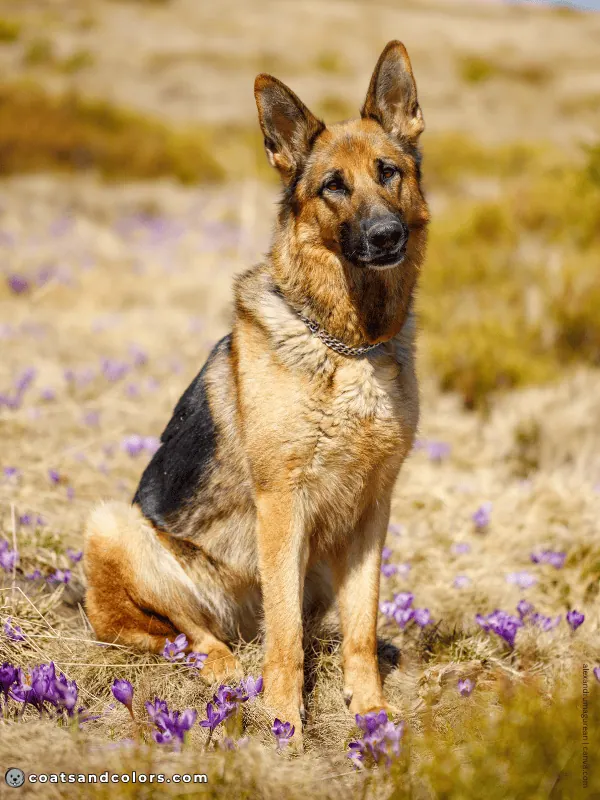
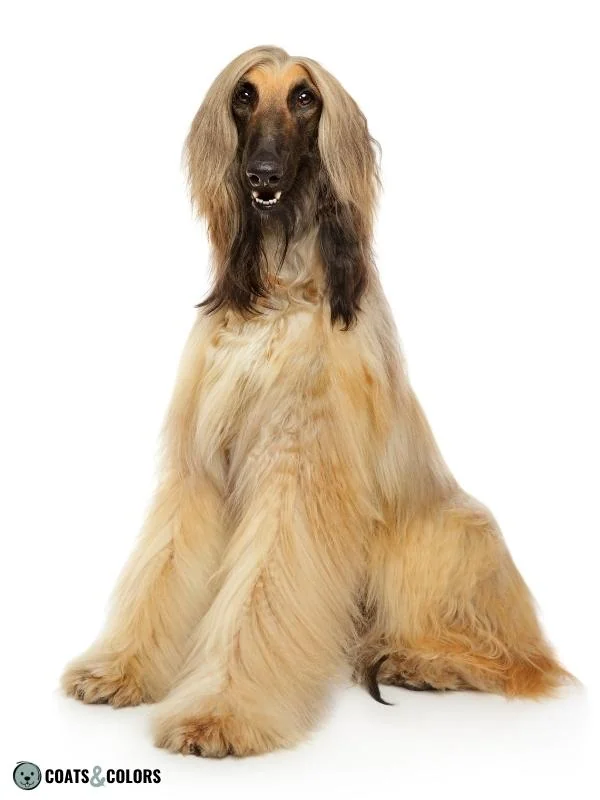
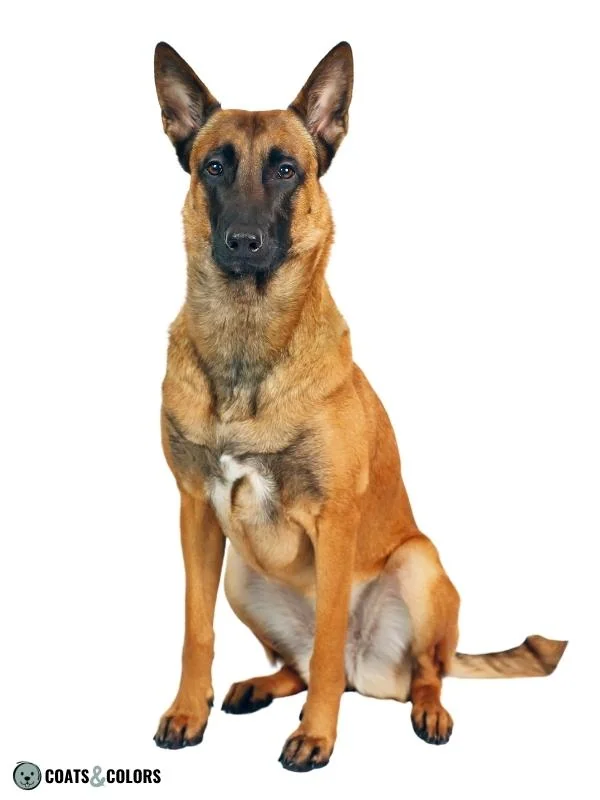
Some examples for solid yellow dogs are Golden Retrievers or yellow Labradors. Intense tan colors can also be found on many breeds with sable, agouti, saddle, or tan point patterns.
- Afghan Hound
- Airedale Terrier
- Akita
- Anatolian Shepherd Dog
- Basenji
- Belgian Malinois
- Border Collie
- Boxer
- Bull Terrier
- Collie
- French Bulldog
- German Shepherd Dog
- Golden Retriever
- Great Dane
- Irish Soft Coated Wheaten Terrier
- Labrador Retriever (yellow)
- Mastiff
- Saint Bernard
- Sheltie
- Shiba
- Welsh Corgi
Red
Intensely red pigment is associated with orange to red colors.
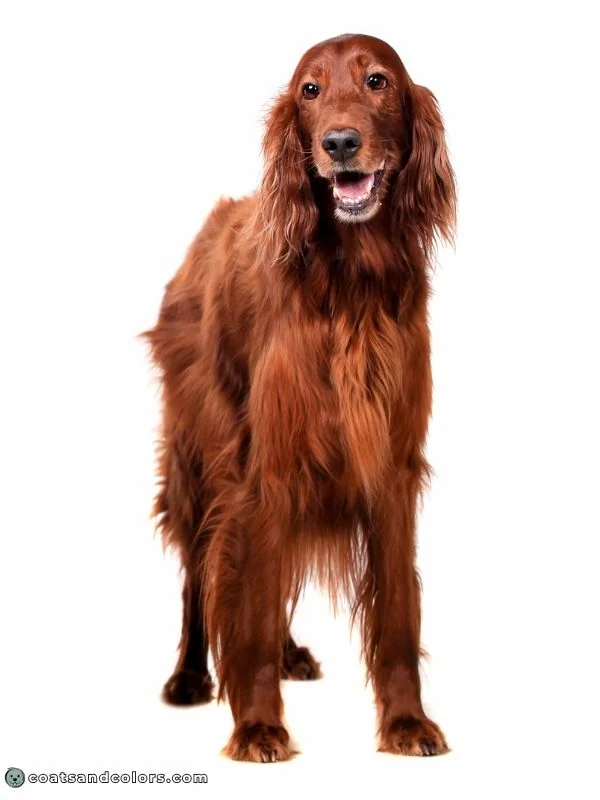

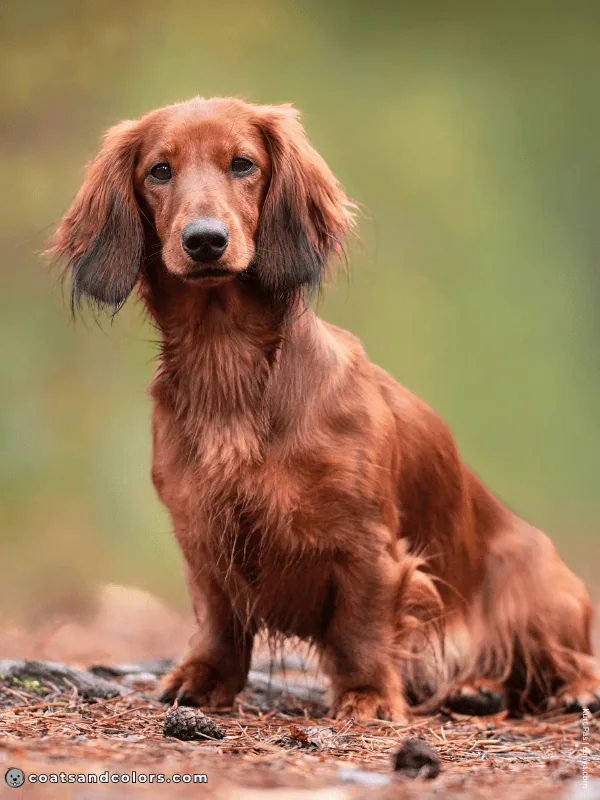
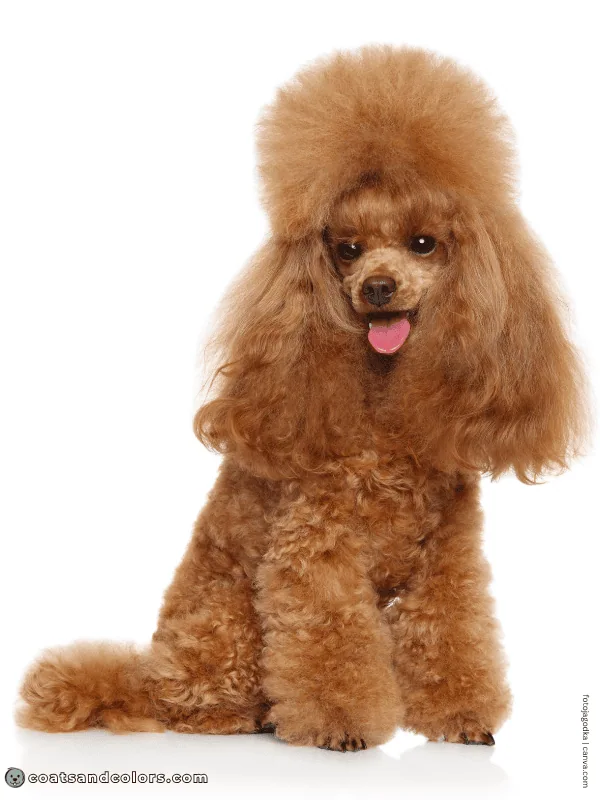
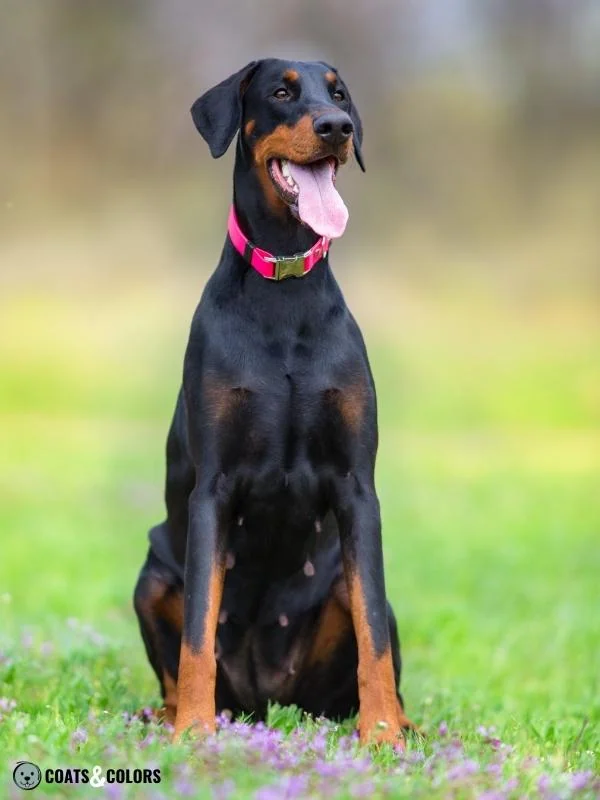
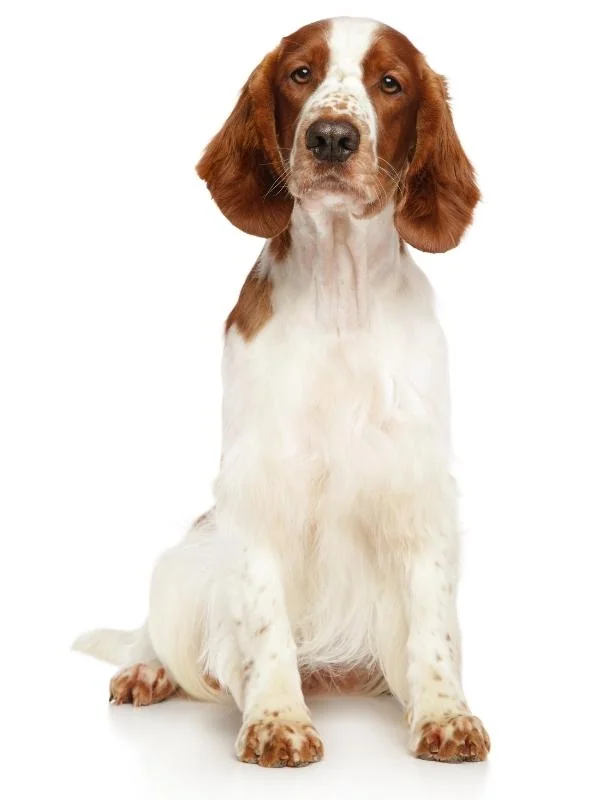
Very many breeds with a tan point pattern prefer bright red markings and even call them things like copper or rust. And there are some dog breeds with a solid red coat.
- Australian Cattle Dog
- Australian Shepherd
- Brittany
- Cavalier King Charles Spaniel
- Dachshund
- Doberman
- Ibizan Hound
- Irish Setter
- Irish Terrier
- Nova Scotia Duck Tolling Retriever
- Pharaoh Hound
- Poodle
- Rhodesian Ridgeback
- Vizsla
- Welsh Springer Spaniel
Learn More


Links
[1] Slavney AJ, Kawakami T, Jensen MK, Nelson TC, Sams AJ, Boyko AR (2021): Five genetic variants explain over 70% of hair coat pheomelanin intensity variation in purebred and mixed breed domestic dogs. PLoS ONE 16(5): e0250579. https://doi.org/10.1371/journal.pone.0250579
[2] Sheila M. Schmutz, Tom G. Berryere. The Genetics of Cream Coat Color in Dogs. Journal of Heredity, Volume 98, Issue 5, July/August 2007, Pages 544–548. https://doi.org/10.1093/jhered/esm018
[3] Hédan, B., Cadieu, E., Botherel, N., Dufaure de Citres, C., Letko, A., Rimbault, M., Drögemüller, C., Jagannathan, V., Derrien, T., Schmutz, S., Leeb, T., & André, C. (2019). Identification of a Missense Variant in MFSD12 Involved in Dilution of Phaeomelanin Leading to White or Cream Coat Color in Dogs. Genes, 10(5), 386. https://doi.org/10.3390/genes10050386
[4] Weich, K., Affolter, V., York, D., Rebhun, R., Grahn, R., Kallenberg, A., & Bannasch, D. (2020). Pigment Intensity in Dogs is Associated with a Copy Number Variant Upstream of KITLG. Genes, 11(1), 75. https://doi.org/10.3390/genes11010075
Image Credits
RosaJay/yayimages.com
alexandrumagurean/canva.com
fotojagodka/canva.com
Kurt Pas/canva.com
chris-mueller/canva.com
Alexander Nadrilyanski/pexels.com
Hi! I’m Steffi. I am a biologist and a big time dog nerd. You are curious about coat color genetics? You’ve come to the right place! Read more.