Panda Spotting in GSD

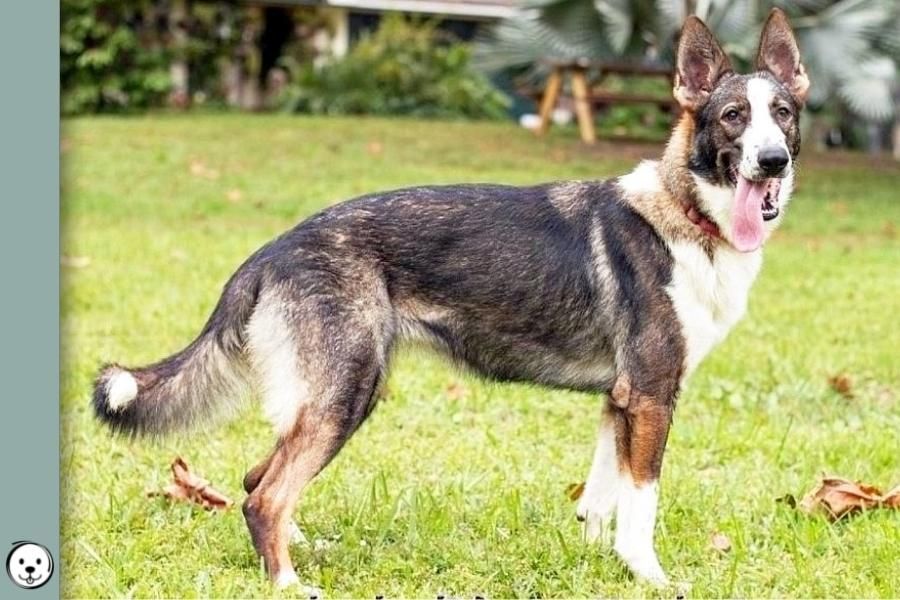
Panda GSD 900x600 1

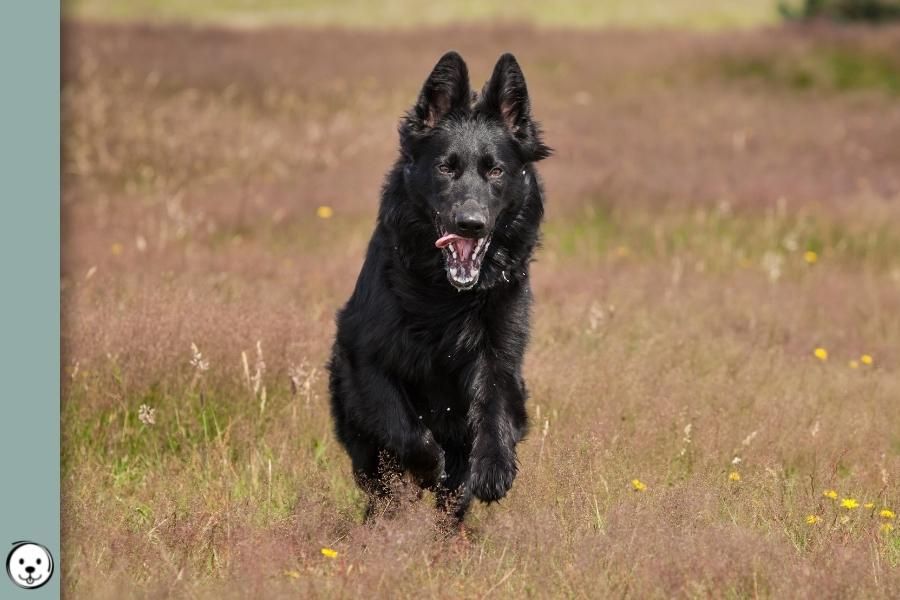
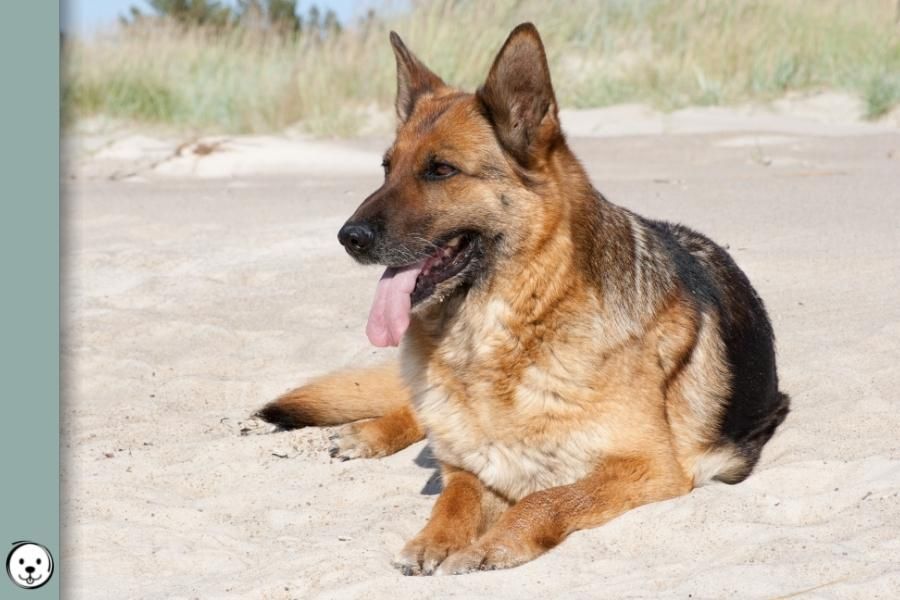
Panda German Shepherds have a white spotting pattern caused by a mutation in the KIT gene. Panda is expressed as mostlly symmetrical white markings on the head and body. What is Panda Spotting? German Shepherd Dogs traditionally don’t have white markings. Panda is considered a non-standard coloration and a fault for showing. Panda markings are … Read more
Whitehead

Whitehead Dogs Spotting 900x600 1

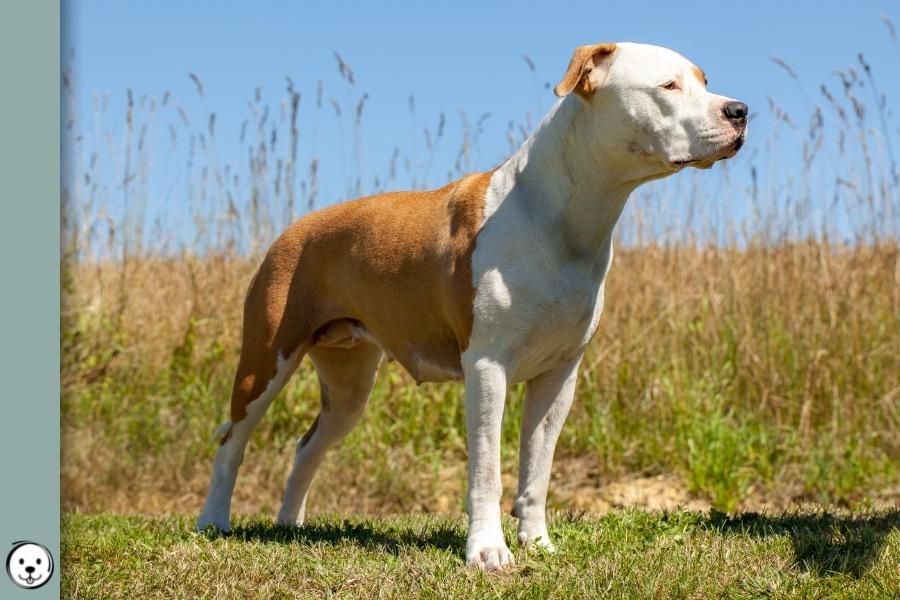
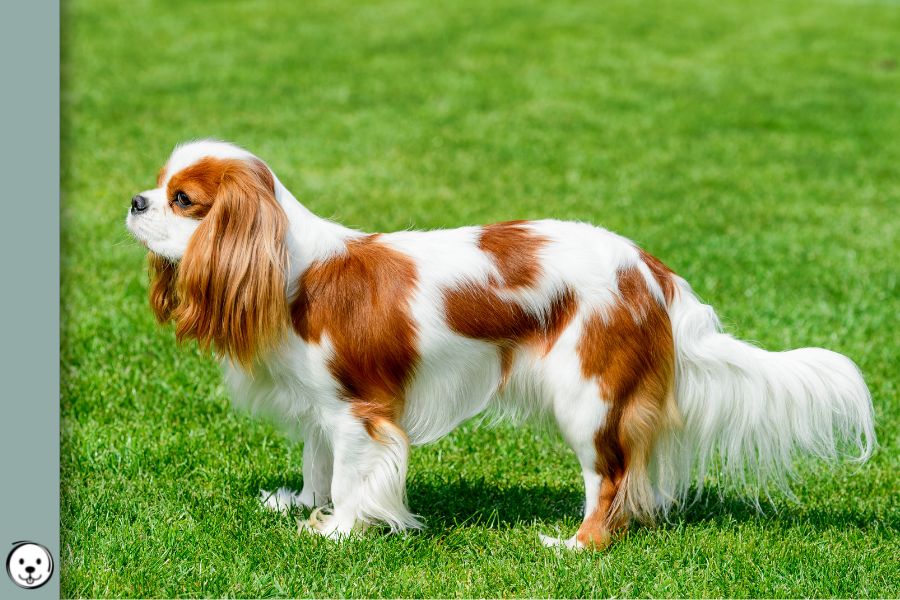
Whitehead describes a phenotype that creates white areas on the face and body. Unlike piebald spotting, whitehead causes white markings to appear from the head rearwards. What is Whitehead? Whitehead causes white markings on the chest, front legs, and face, often with white over both eyes. But extended versions of whitehead can also cover the … Read more

S Locus (Piebald)

Piebald White Spotting 900x600 1

White markings are caused by a lack of pigment in certain areas. Minimal to extensive white spotting patterns are often created by variation at the S-Locus. Phenotypes with white spotting range from minimal white markings to piebald patterns or extreme white. What is White Spotting? White markings are caused by a lack of pigment cells … Read more

Phaeomelanin Intensity

coatsandcolors.com red intensity 900x600 1

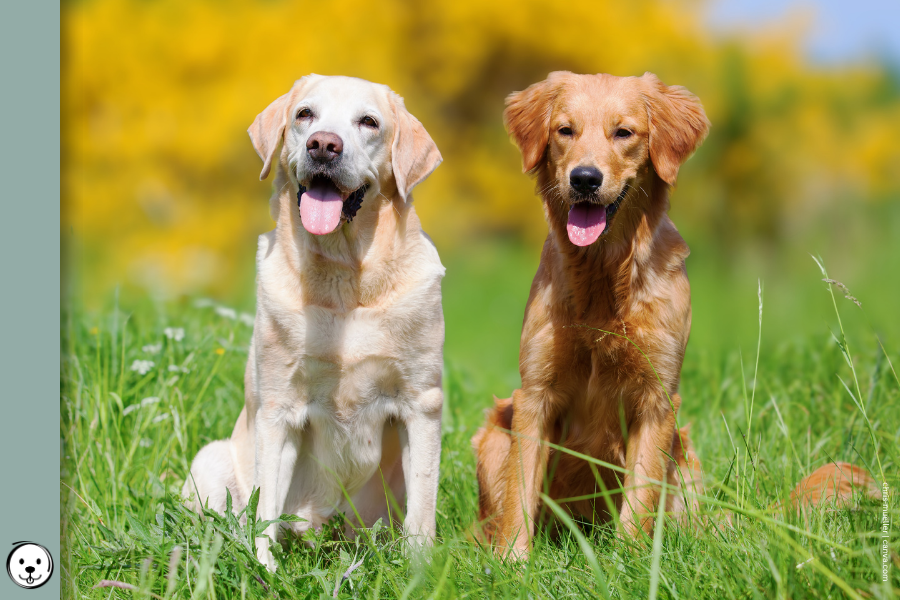
Different amounts of red pigment in the hair shaft create a range of colors from cream to yellow to red. Intensity is a complex trait controlled by a number of different genes. What is Phaeomelanin Intensity? Phaeomelanin is a red pigment. It is one of the two pigment types in our dog’s coat. The other … Read more

Progressive Graying

coatsandcolors.com progressive graying 900x600 1

Progressive graying causes a dog’s eumelanin pigment color to fade over time. Black fades to gray or silver while brown fades to a sandy beige or reddish cream color. What is Progressive Graying? In some dog breeds, puppies that were born with regular black or brown eumelanin will fade to a lighter color over time. … Read more

Cocoa

Cocoa Locus 900x600 1

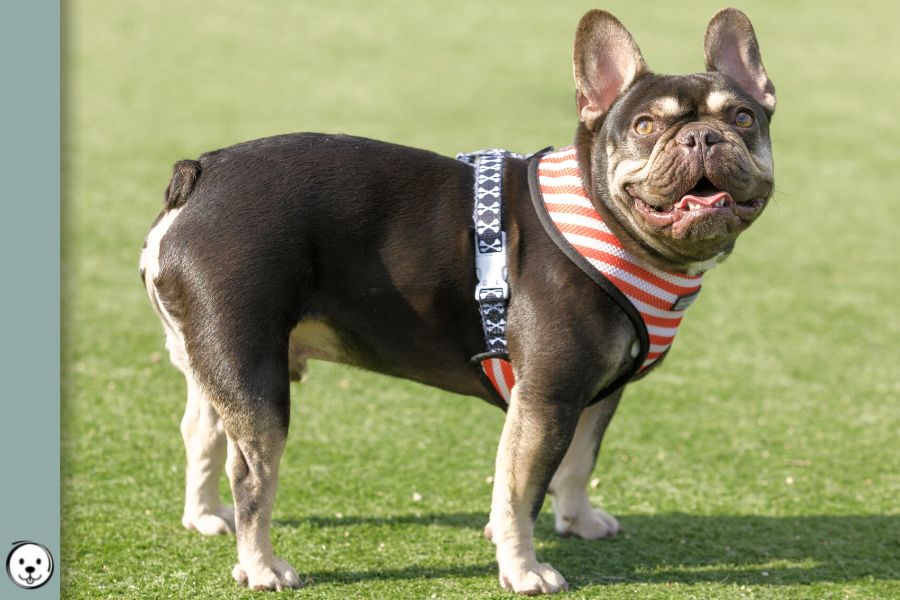
French Bulldog cocoa gives a dark brown coat color that is caused by variation in a different gene than the usual chocolate brown coat found in other dog breeds. Cocoa changes the color of a dogs eumelanin and can occur in a variety of different color patterns. What is Cocoa? A b/b genotype at the … Read more

B Locus – Black vs Brown

Brown Dog Coat Color 900x600 b

Dogs that are homozygous recessive at the B locus (b/b) will express brown eumelanin. This affects all the dark pigment in a dog’s coat, as well as the color of skin spots, nose, footpads, lips, eye rims, or nails, which will all be brown. What is Brown Coat Color? In coat color genetics, “brown” always … Read more

Recessive Black (a)

Recessive Black Dog Coat 900x600 1

A recessive black dog has a solid dark coat. This base pattern is caused by having two copies of a recessive loss-of-function variant at the A locus, which is why it is called recessive black. What is Recessive Black? The A locus holds the gene for ASIP. All patterned dogs need ASIP to produce phaeomelanin … Read more

Tan Points (at)

Black and Tan Dog Coat 900x600 1

A dog with a tan point pattern has a solid base color with white, yellow or red markings on the muzzle, eyebrows, chest, underside, lower legs, and under the tail. Although this pattern is also called black back or black-and-tan the base color can also be liver, blue, or lilac. The Tan Point Pattern Dogs … Read more

Saddle Pattern (asa)

Creeping Tan 900x600 1

Dogs with a black saddle are tan with a patch of dark hairs on their back. Dogs with a saddle pattern are born with a dark overlay, their tan markings will expand over time. What Is A Saddle Pattern? Some puppies that look black-and-tan at birth can change quite a bit during their first months. … Read more