

A summary of all the traits that affect coat colors.
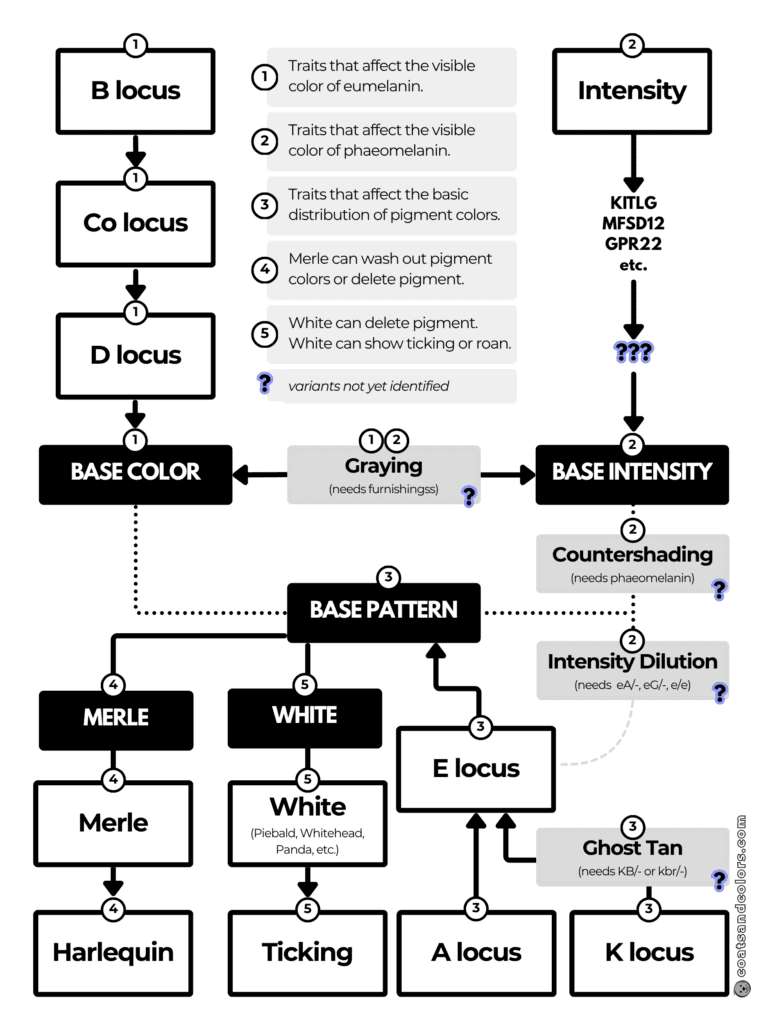
Table of Contents
Quick Reference Table
| Locus | Gene | Alleles | Function |
|---|---|---|---|
| BLACK PIGMENT | |||
| B (brown) | TYRP1 | B > b | loss-of-function (b/b) modifies black→brown |
| D (dilute) | MLPH | D > d | loss-of-function (d/d) dilutes black→blue and brown→lilac via melanosome clumping |
| Co (cocoa) | HPS3 | N > co | loss-of-function (co/co) modifies black→cocoa via defective melanosome maturation; only occurs in French Bulldogs |
| G (graying) | ? | G ≥ N | conceptual locus; graying is progressive (born dark, fades with age); can affect both pigment types; leaves nose pigment intact |
| RED PIGMENT | |||
| I (intensity) | MFSD12 KITLG GPR22 TYR etc. | I ≥ i | conceptual locus; the richness of phaeomelanin (cream to red) is polygenic; identified loci together only explain ~70% of variation |
| Urajiro | ? | ? | countershading (= urajiro) means the dilution of ventral phaeomelanin |
| White Dilution | ? | ? | only affects red intensity in domino and recessive red dogs, where it dilutes red colors to whitish cream |
| BASE PATTERN | |||
| A (agouti) | ASIP | Ay ≥ Ays ≥ aw ≥ asa ≥ at ≥ a | ASIP promoter haplotypes (VP-HCP) control the distribution pattern of eumelanin vs phaeomelanin |
| K (black) | CBD103 | KB > kbr > ky | solid dark (KB/-) masks the A locus pattern; brindle (kbr/-) adds solid dark stripes over the A locus pattern; only the wild-type (ky/ky) causes normal pattern expression |
| E (extension) | MC1R | Em ≥ E ≥ eG, eA ≥ eH ≥ e | master switch of the melanogenesis pathway; can add dark mask (Em/-); normal pattern expression (E/-); domino (eA/-, eG/-, eH/-) partially removes eumelanin; recessive red (e/e) fully removes eumelanin |
| Ghost Tan | ? | ? | proposed K locus modifier that enables the hidden A locus pattern to show through KB or kbr |
| WHITE | |||
| S (spotting) | MITF | S ≥ sP | disrupts pigment cell migration or survival, causing white markings |
| P (panda) | KIT | P > N | distinct white-spotting mutation in German Shepherd Dogs; P/P is embryonic lethal |
| Whitehead | ? | ? | distinct white-spotting phenotype |
| Irish markings | ? | ? | distinct white-spotting phenotype with minimal white; piebald and whitehead can mimic Irish spotting |
| T (ticking) | USH2A | TR ≥ T > t | ticking (T) and roan (TR) can co-occur; both are dominant over clear (t); needs white markings to be visible in the phenotype |
| F (flecking) | ? | ? | proposed ticking/roan modifier in Dalmatians |
| MERLE | |||
| M (merle) | PMEL | Mh ≥ M ≥ Ma+ ≥ Ma ≥ Mc+ ≥ Mc ≥ m | disrupts melanosome structure or melanocyte survival, causing uniform to patchy loss of mainly eumelanin; can affect phaeomelanin; severity of pigment loss scales with combined length of SINE poly-A tail |
| H (harlequin) | PSMB7 | H > h | merle modifier specific to Great Danes; clears merled patches to white; H/H is embryonic lethal |
Eumelanin Base Color
- Every dog has one unique eumelanin base color (black, blue, brown, or lilac).
- The base color of eumelanin is controlled by the B locus and D locus.
- Only French Bulldogs and their mixes also have the cocoa trait.
- The eumelanin base color affects all the eumelanin in any base pattern.
- The eumelanin base color also affects skin pigment, nose color, and eye color.
- Eumelanin can be modified by graying, which causes a progressive fading of color richness.
B Locus
The B locus determines the basic color of eumelanin.
Having any combination of two loss-of-function variants (b/b) modifies black to brown.
| B Locus Alleles | Color |
|---|---|
| B | black |
| bd | brown |
| bc | brown |
| bs | brown |
| be | brown |
| bh | brown |
| ba | brown |
- Gene: TYRP1 (Tyrosinase-Related Protein 1)
- Allelic Dominance: complete dominance
- Order Of Dominance: B > b
| Genotype | Phenotype |
|---|---|
| B/B | black |
| B/b | black |
| b/b | brown |
The different loss-of-function mutations all represent “b“. Any compound heterozygote like bs/bc can be considered b/b and will express brown pigment. Some dogs can be B/b+b and still have black pigment.
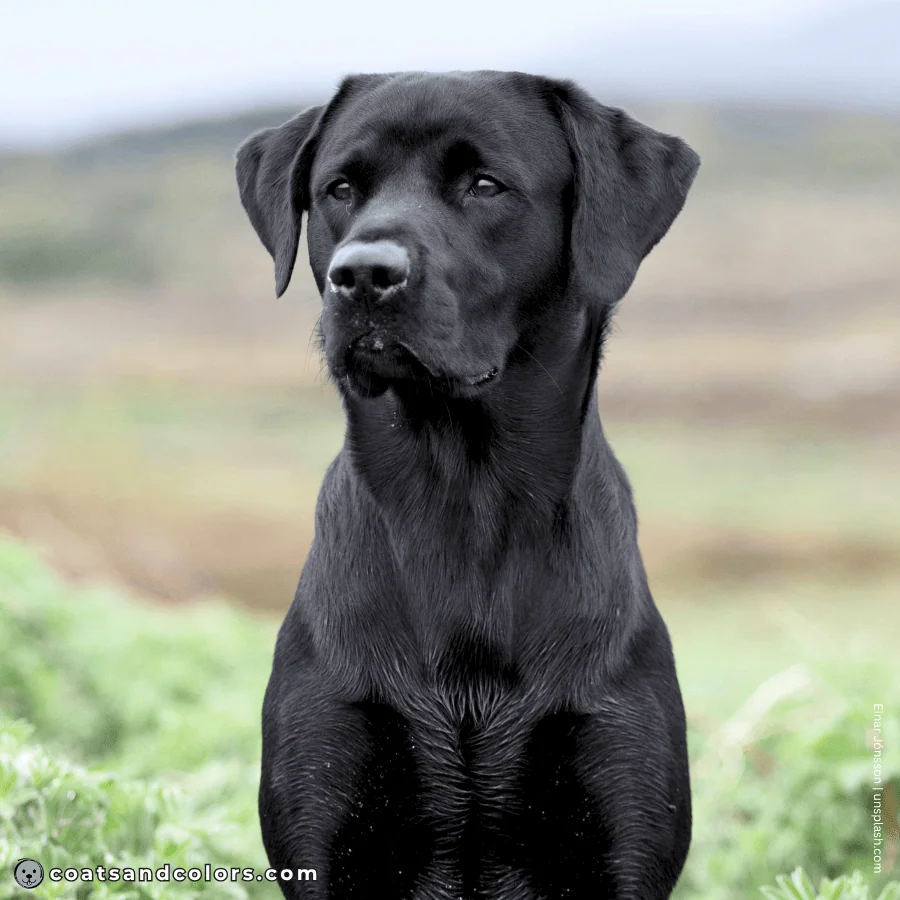
B/-
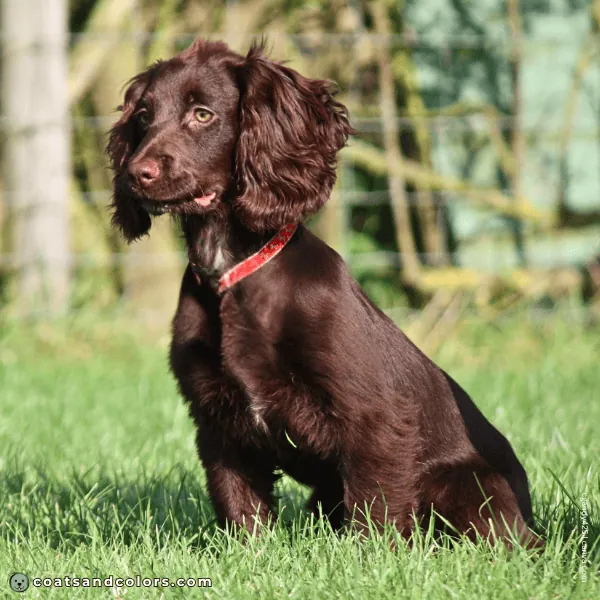
b/b
D Locus
The D locus can cause color dilution.
Any combination of loss-of-function variants (d/d) modifies black to blue or brown to lilac.
| D Locus Alleles | Color |
|---|---|
| D | normal |
| d1 | dilution |
| d2 | dilution |
| d3 | dilution |
- Gene: MLPH (Melanophilin)
- Allelic Dominance: complete dominance
- Order Of Dominance: D > d
| Genotype | Phenotype |
|---|---|
| D/D | normal |
| D/d | normal |
| d/d | diluted |
The different loss-of-function mutations all represent “d“. Any compound heterozygote like d1/d3 can be considered d/d and will express diluted pigment. Some dogs can be D/d+d and will have normal pigment.
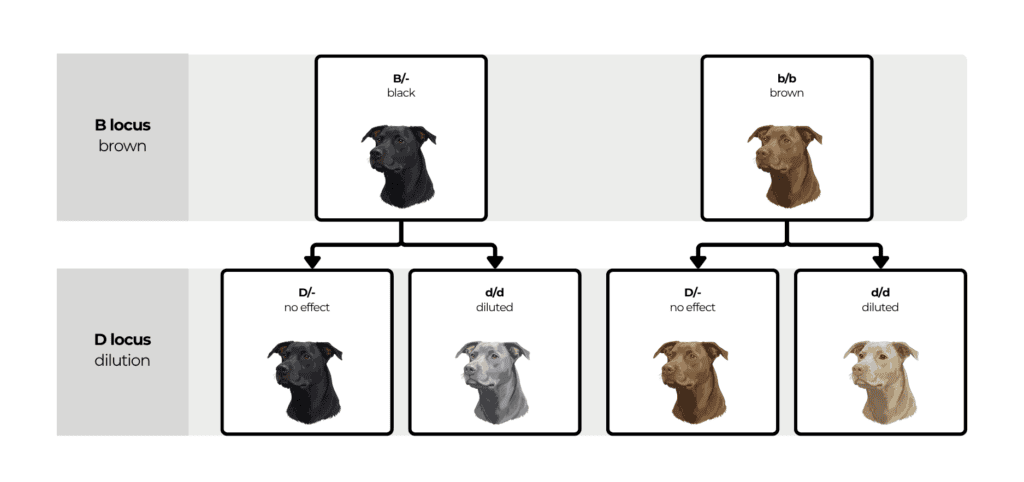
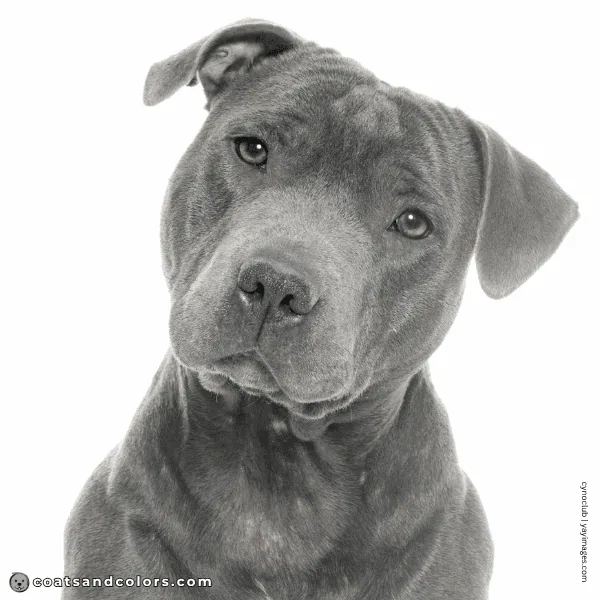
B/- d/d
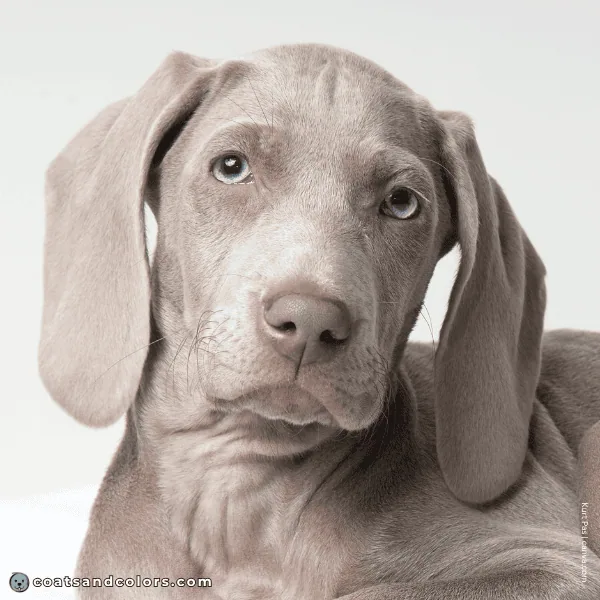
b/b d/d
Co Locus
The Co locus affects the color of eumelanin (this trait only occurs in French Bulldogs).
| Co Locus Alleles | Color |
|---|---|
| N | normal |
| co | cocoa |
- Gene: HPS3 (Hermansky-Pudlak syndrome 3)
- Allelic Dominance: complete dominance
- Order Of Dominance: N > co
| Genotype | Phenotype |
|---|---|
| N/N | normal |
| N/co | normal |
| co/co | cocoa |
The cocoa trait can interact with brown from the B locus and color dilution from the D locus. But we typically just ignore cocoa completely on this site, as it only occurs in Frenchie color breeding.
| Co Locus | B Locus | D Locus | Phenotype |
|---|---|---|---|
| co/co | B/- | D/- | cocoa |
| co/co | B/- | d/d | diluted cocoa “lilac“ |
| co/co | b/b | D/- | cocoa + brown “new shade“ |
| co/co | b/b | d/d | diluted cocoa + brown “new shade isabella“ |
Phaeomelanin Colors
- Every dog has one unique phaeomelanin base color (between cream and red).
- The intensity of phaeomelanin is a polygenic trait with still many unknown variables.
- Intensity only affects coat colors.
- Intensity can be modified by intensity dilution (needs recessive red or domino)
- Intensity can be modified by countershading (this can affect any A locus pattern).
- Intensity can be modified by graying, which causes a progressive fading of color richness.
Intensity
Intensity is a polygenic trait. As a rule of thumb, high intensity is dominant over low intensity.
Embark currently provides testing for variants that have been confirmed to affect intensity in some breeds. But what exactly controls the richness of all red colors has not yet been fully identified.
We can oversimplify this trait into one conceptual locus.
| Intensity Simplified | Color |
|---|---|
| I | high red intensity |
| i | low red intensity |
- Dominance: incomplete dominance
- Order Of Dominance: I ≥ i
| Genotype | Phenotype |
|---|---|
| I/I | high intensity |
| I/i | intermediate intensity |
| i/i | low intensity |
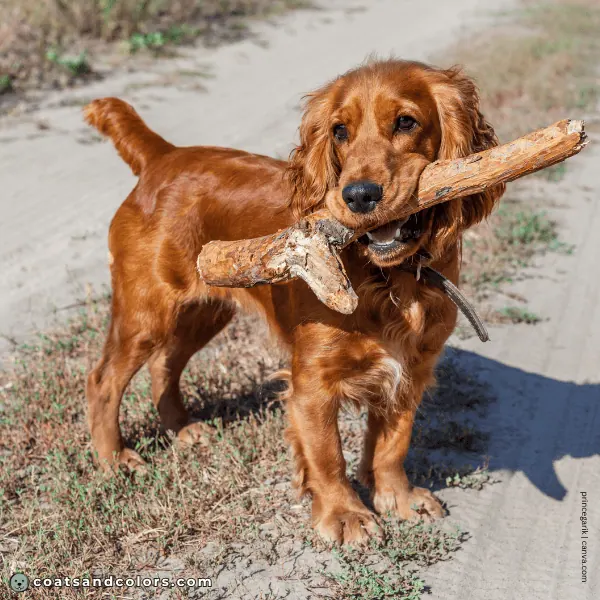
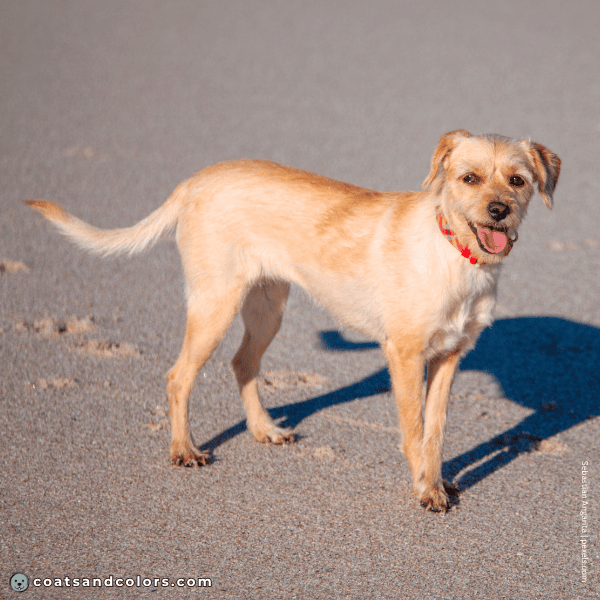
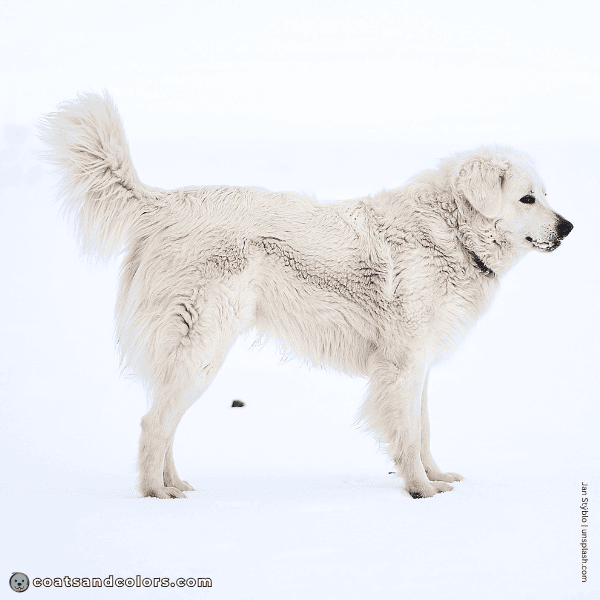
Intensity Dilution
An untestable modifier can lighten intensity in recessive red (e/e) or domino (eG/- or eA/-) dogs.
This concerns breeds that have, on average, a rich phaeomelanin base color. But any puppy born with (partial) recessive red can only express very light phaeomelanin (GSD, Chow, Shiba, Akita Inu, etc.).
The genetics behind this kind of pattern-linked intensity dilution have not yet been identified.
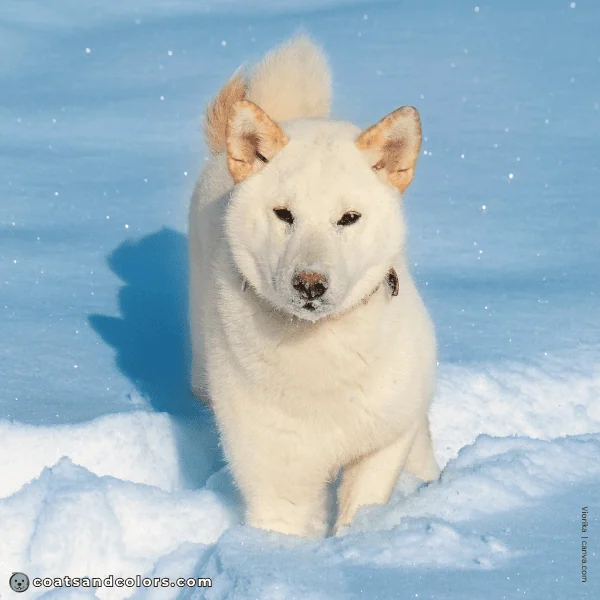
e/e
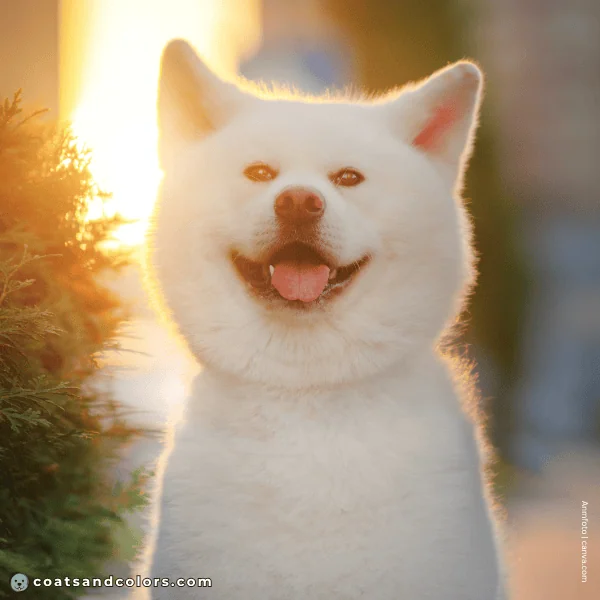
e/e
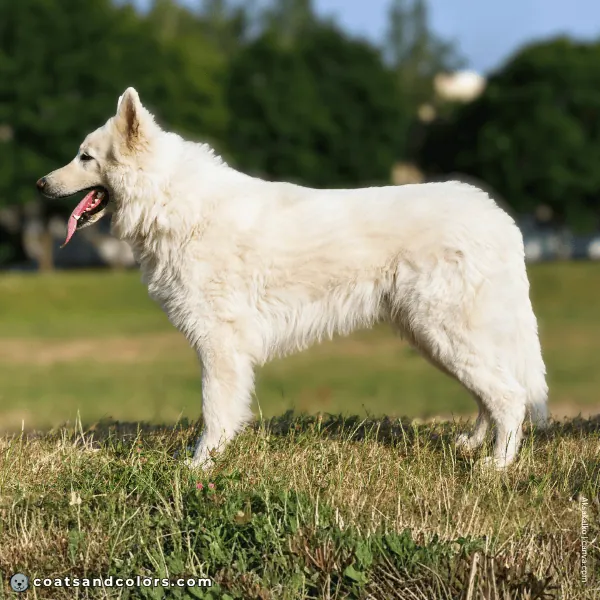
e/e
Countershading
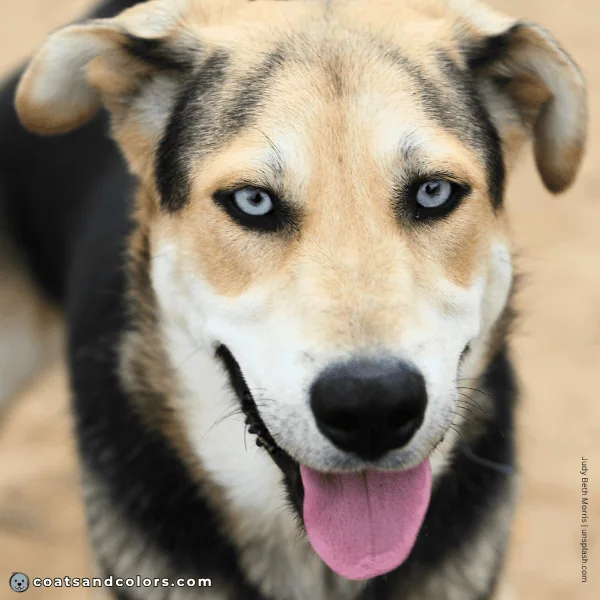
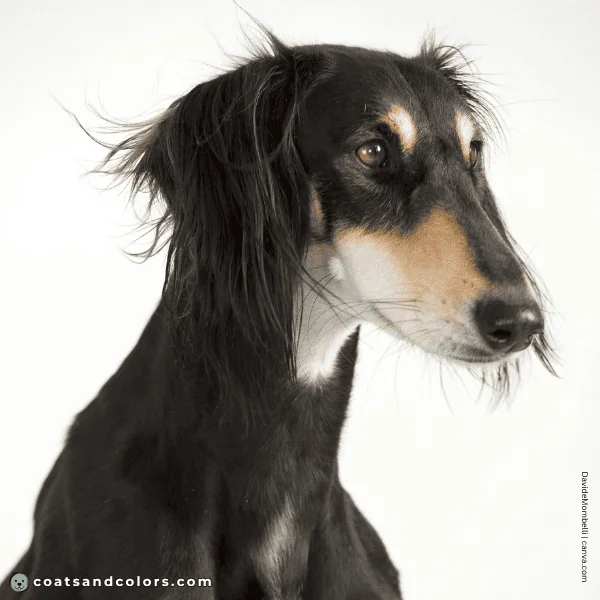
Countershading causes the dilution only of the ventral phaeomelanin.
The genetics of countershading have not yet been identified.

Graying
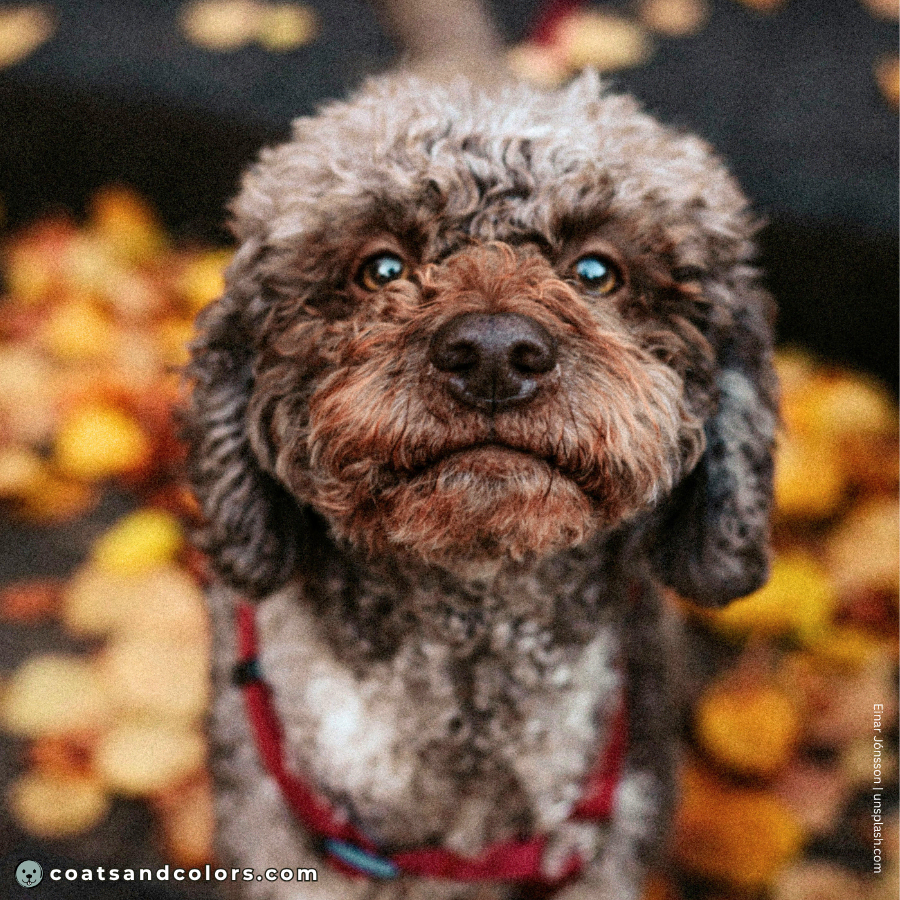
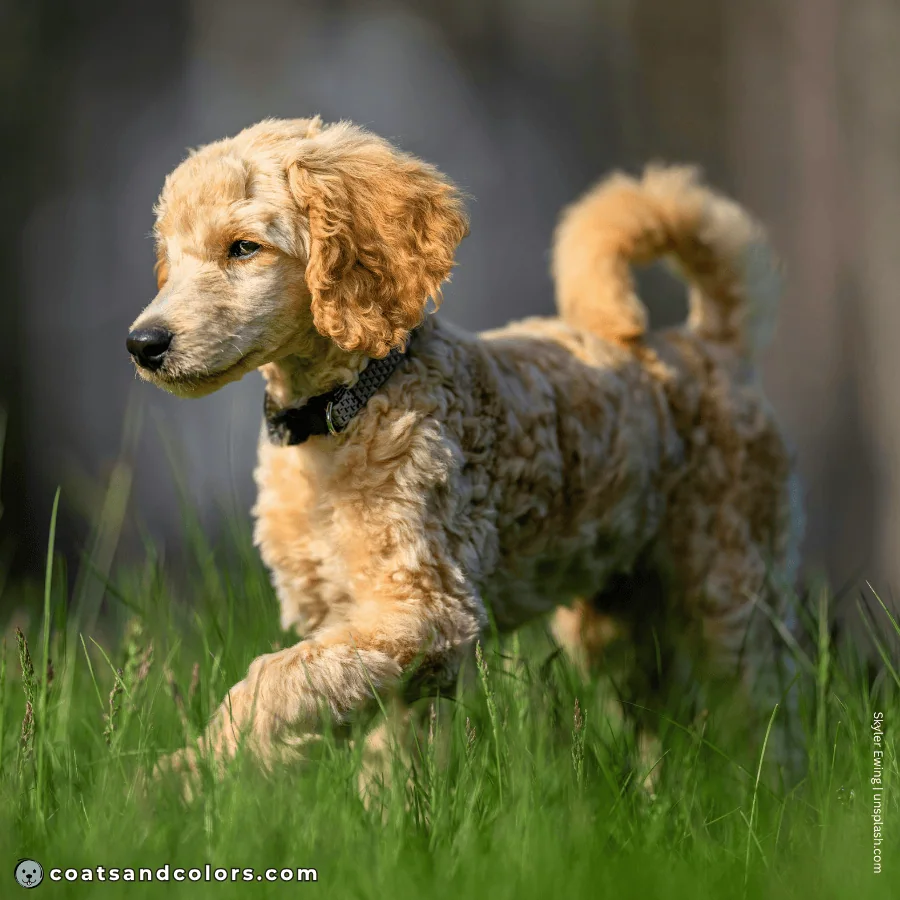
This trait only affects furnished dogs, where it causes the progressive fading of all pigment colors. This trait might be related to KITLG or other genes that also control red intensity.
The genetics of graying have not yet been fully identified. We can simplify this trait to a conceptual locus.
| Graying | Color |
|---|---|
| G | color fading |
| N | non-fading |
- Dominance: incomplete dominance
- Order Of Dominance: G ≥ N
| Genotype | Phenotype |
|---|---|
| G/G | heavy graying |
| G/N | moderate graying |
| N/N | non-graying |

Pigment Distribution
Only a few genes can affect pigment type distribution (what we call the base pattern).
This tells pigment cells when and where to produce eumelanin or phaeomelanin.
- Every dog has one unique base pattern.
- Different base patterns vary in the amount and placement of eumelanin and phaeomelanin.
- Pigment switching is controlled by the A locus and K locus interacting with the E locus.
- Each pattern will be either black-based, brown-based, blue-based, or lilac-based.
A Locus
The A locus makes ASIP, a protein that tells pigment cells to make phaeomelanin. Different levels of ASIP in different regions of the body (dorsal vs ventral) cause various patterns.
The ventral pigment cell turns on ASIP expression permanently to produce solid tan hairs. Mutations in the ventral promoter (VP)can increase ASIP expression and extend ventral tan markings.
| Ventral Promoter (VP) | ||
| VP1 | more ASIP | extended ventral tan markings |
| VP2 | normal ASIP | normal ventral tan markings |
The dorsal pigment cell oscillate ASIP expression on and off to produce banded hairs. Mutations in the hair cycle promoter (HCP) can increase (more tan) or decrease (less tan) ASIP levels during hair growth.
| Hair Cycle Promoter (HCP) | ||
| HCP1 | more ASIP | tan hairs, black tip |
| HCP1 | normal ASIP | banded hairs |
| HCP3, HCP4, HCP5 | less ASIP | black hairs, tan root |
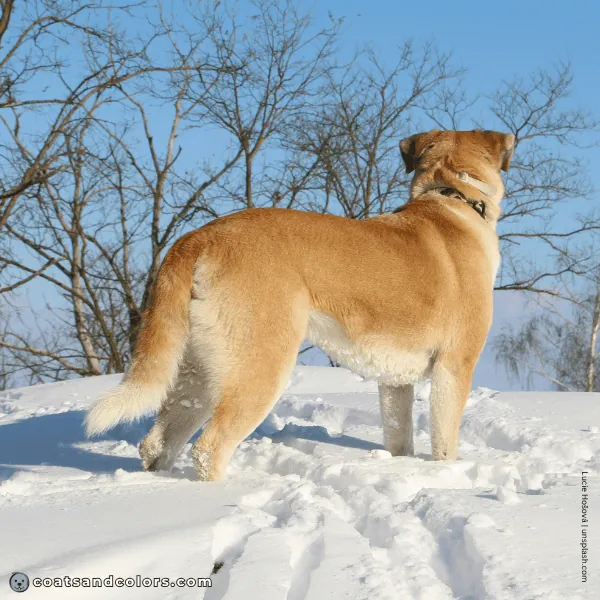
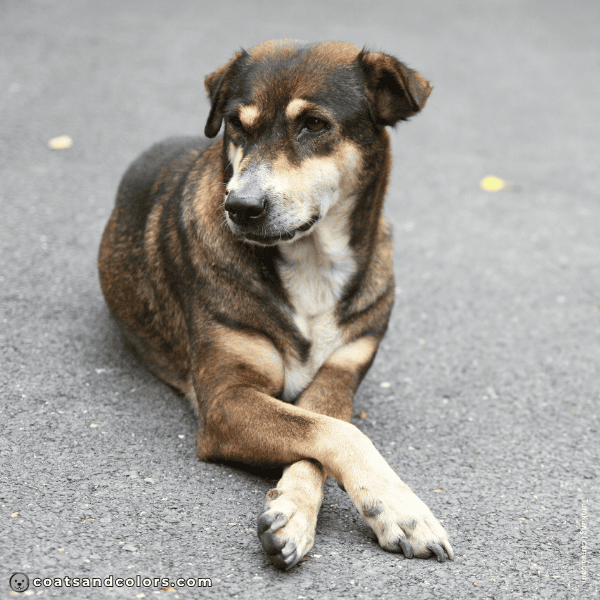
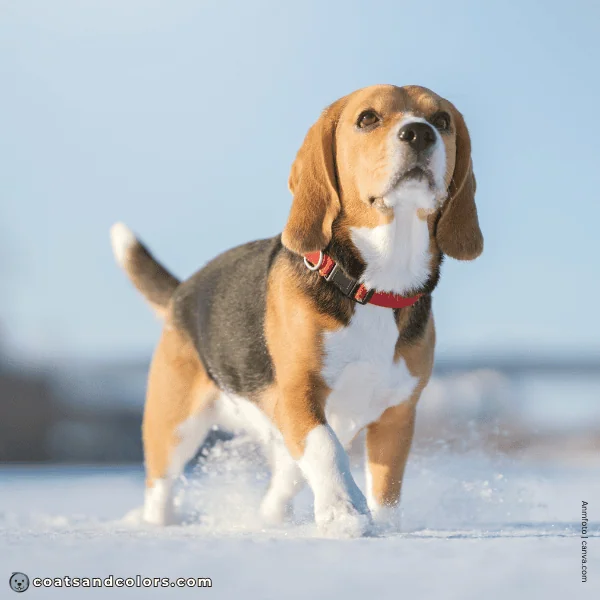
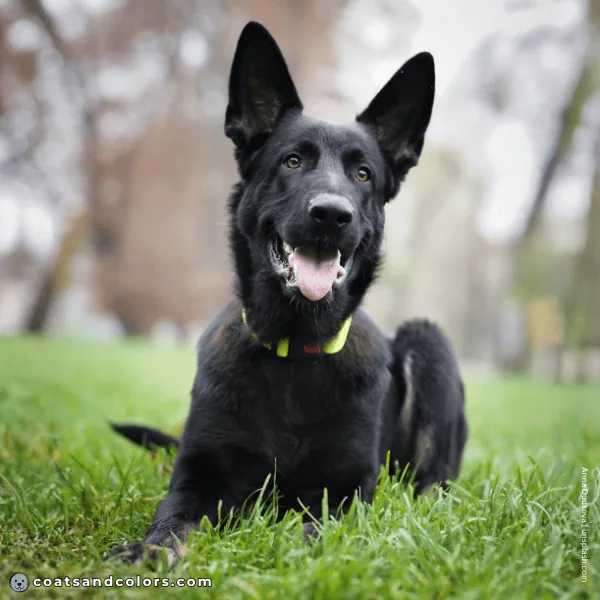
A locus alleles each represent a unique combinations of a dorsal and a ventral ASIP promoter. With the exception of recessive black (a), which represents a loss-of-function of the ASIP gene.
| A Locus Alleles | Promoter | Pattern |
|---|---|---|
| Ay (DY) | VP1-HCP1 | clear sable |
| Ays (SY) | VP2-HCP1 | shaded sable |
| aw (AG) | VP2-HCP2 | agouti |
| asa (BS) | VP1-HCP4 | saddle |
| at (BB) | VP2-HCP3|4|5 | tan point |
| a | recessive black |
- Gene: ASIP (Agouti-Signaling Protein)
- Allelic Dominance: incomplete dominance
- Order Of Dominance: Ay ≥ Ays ≥ aw ≥ asa ≥ at ≥ a
Keep in mind that most companies can not distinguish between DY and SY (both test as Ay) and between BS and BB (both test as at). Some companies offer “RALY” testing, this is a now disproven “saddle modifier”.
The A locus can be hidden by the K locus or E locus.
| Genotype | Phenotype |
|---|---|
| Ay/- | clear sable darker sable in some carriers |
| Ays/- | shaded sable darker sable in some carriers |
| aw/- | agouti saddle agouti or dark agouti in some carriers |
| asa/- | saddle creeping tan in some carriers |
| at/- | tan point small points in some carriers |
| a/a | recessive black can have tan bleed-through |


K Locus
K locus alleles can add black over the A locus pattern.
| K Locus Alleles | Pattern |
|---|---|
| KB | dominant black, solid dark |
| kbr | brindled pattern expression |
| ky | normal pattern expression |
- Gene: CBD103 (Beta-Defensin 103)
- Allelic Dominance: complete dominance
- Order Of Dominance: KB > kbr > ky
The K locus can be hidden by the E locus.
| Genotype | Phenotype |
|---|---|
| KB/- | dominant black, solid dark |
| kbr/- | brindled pattern expression |
| ky/ky | normal pattern expression |
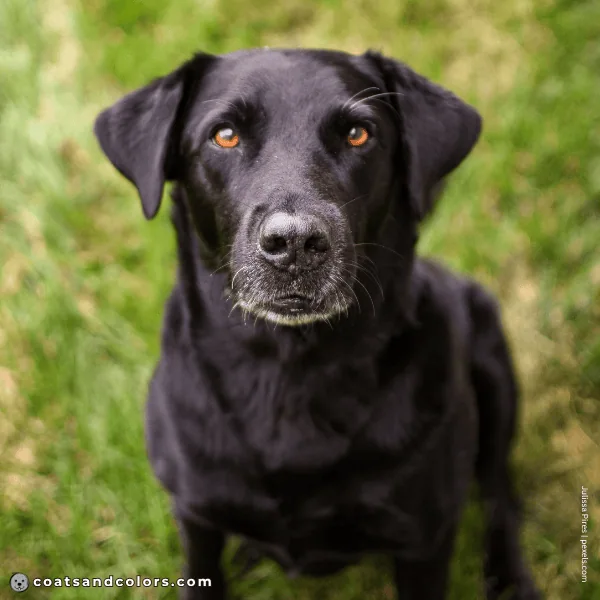
KB/-
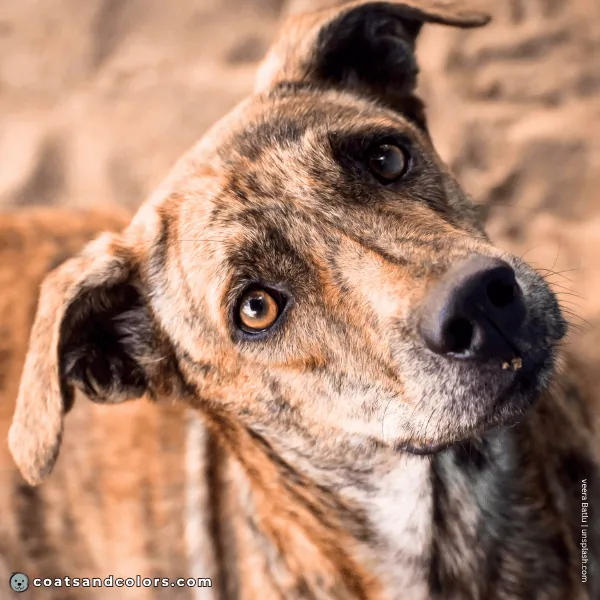
kbr/-

ky/ky
Ghost Tan
This traits acts as a K locus modifier. It lets the hidden A locus pattern show through. This causes ghost patterns in dominant black (KB/- + ?) dogs or seal brindle in brindle dogs (kbr/- + ?).
The genetics of ghost tan have not yet been identified.
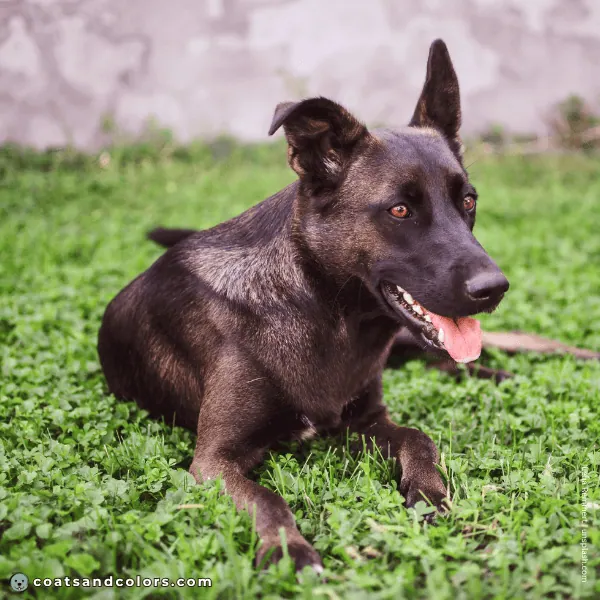
KB/- Ay/- + ?
E Locus
The receptor encoded by the E locus has to be activated for pigment cells to produce eumelanin. Different E locus alleles control the extension of eumelanin in any base pattern.
| E Locus Alleles | Pattern |
|---|---|
| Em | adds a mask to any pattern |
| E? | increases eumelanin, reduces the effect of ASIP |
| E | normal pattern expression |
| eG | domino, decreases eumelanin |
| eA | domino, decreases eumelanin |
| eH | cocker domino, decreases eumelanin |
| e1 | recessive red, removes eumelanin |
| e2 | recessive red, removes eumelanin |
| e3 | recessive red, removes eumelanin |
- Gene: MC1R (Melanocortin 1 Receptor)
- Allelic Dominance: mild incomplete dominance
- Order Of Dominance: Em ≥ E ≥ eG, eA ≥ eH ≥ e
| Genotype | Phenotype |
|---|---|
| Em/- | mask faded mask in some domino or e carriers |
| E/- | normal pattern expression more tan in some domino or e carriers |
| eG/- | domino partially decreases eumelanin |
| eA/- | domino partially decreases eumelanin |
| eH/- | cocker domino partially decreases eumelanin |
| e/e | recessive red fully removes eumelanin |

Em/-
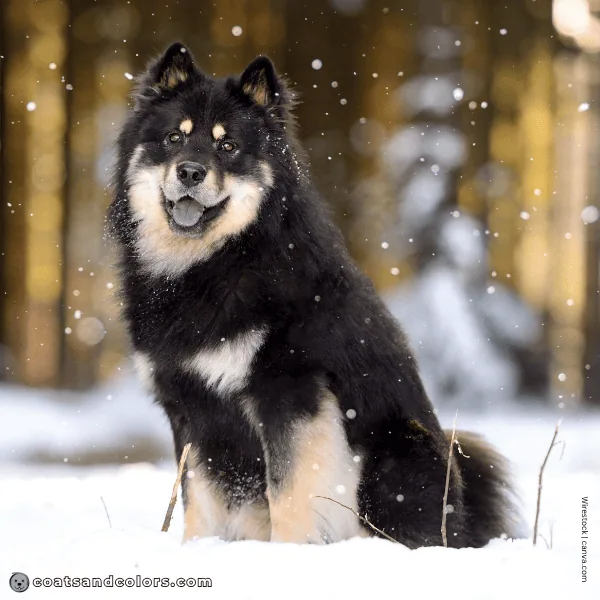
E/-
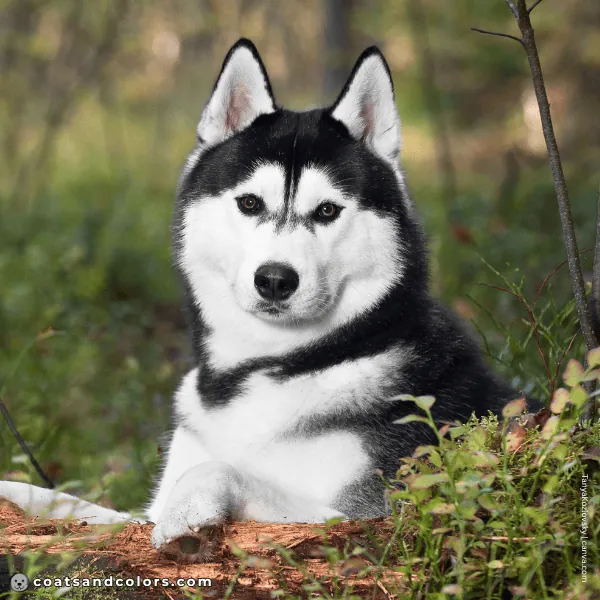
eA/-
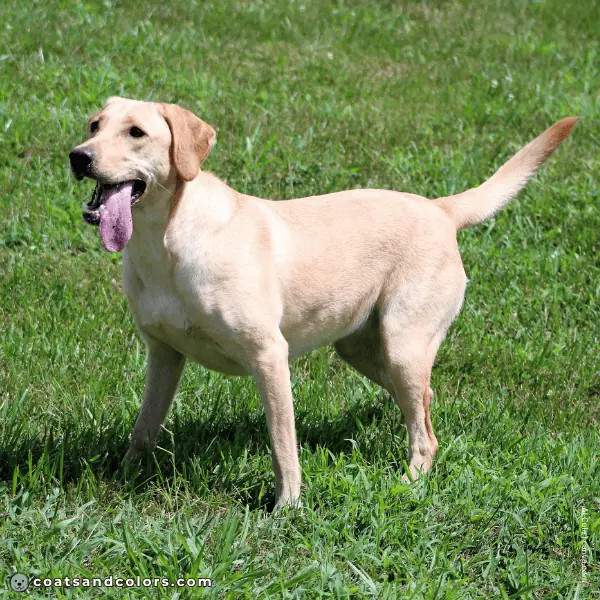
e/e
White Markings
White is an optional trait, not every dog has white.
Several traits affect pigment cell survival, which can delete pigment and cause pink skin and white markings. Extended white can also cause blue eyes and hearing impairment.
Keep in mind that different white marking traits can occur at the same time.
Piebald
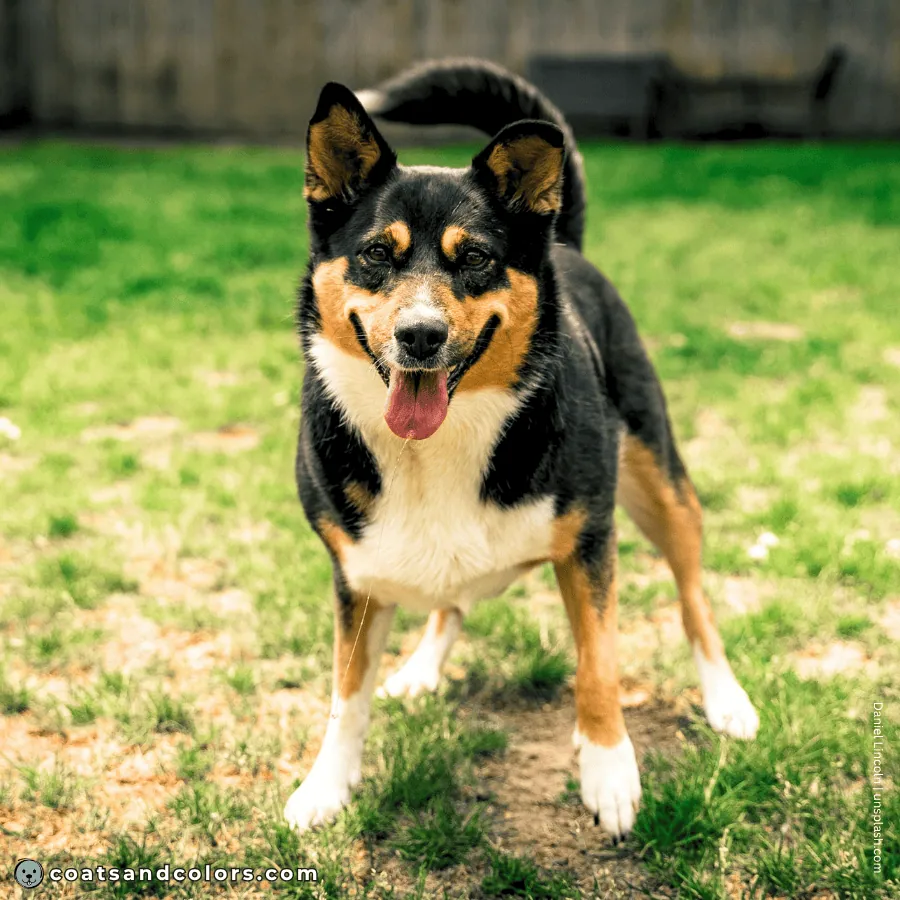
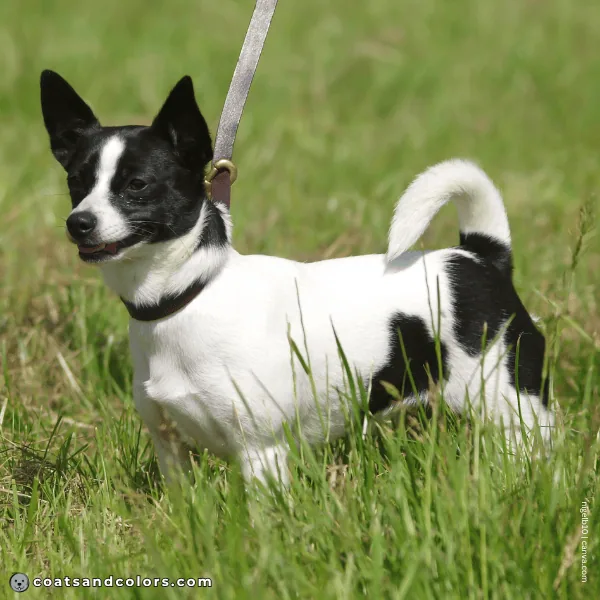
The piebald trait deletes pigment from bottom to top. It can cause various phenotypes from minimal white to false Irish markings to piebald to color-headed white or extreme white.
| S Locus Alleles | Phenotype |
|---|---|
| S | solid |
| sP | piebald |
- Gene: MITF (Microphthalmia-Associated Transcription Factor)
- Allelic Dominance: incomplete dominance
- Order Of Dominance: S ≥ sP
The inheritance of piebald is not as clean-cut as with dominant-recessive traits. The situation involves incomplete dominance with modifiers that control the actual amount of white in each genotype.
| Genotype | Phenotype |
|---|---|
| S/S | solid |
| S/sP | no white to moderate white |
| sP/sP | moderate white to extreme white |

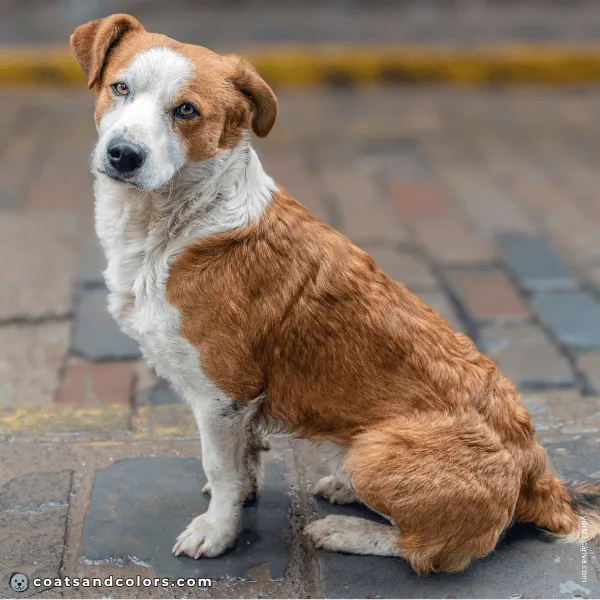
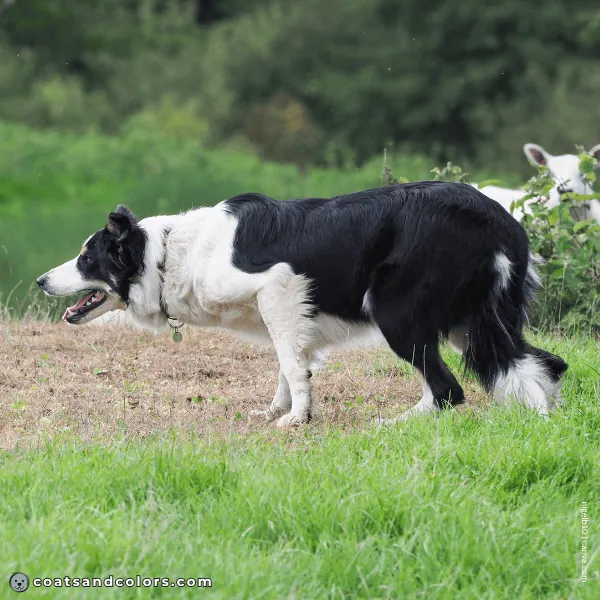
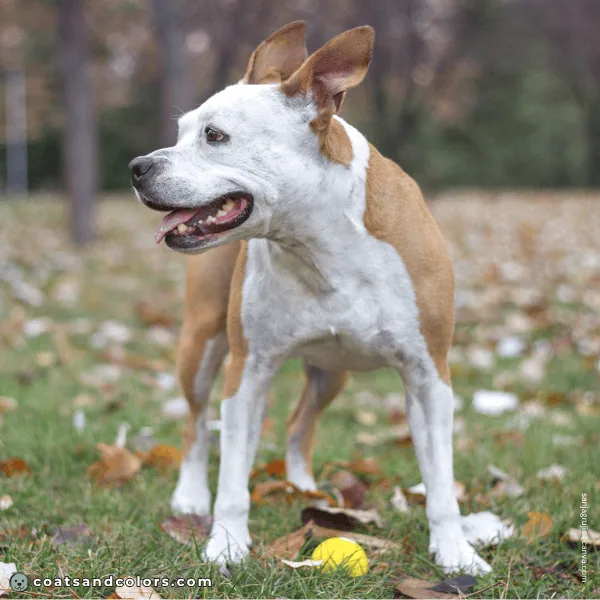
Whitehead
The whitehead trait deletes pigment from front to rear. It can cause various phenotypes from minimal white to false Irish markings to split faces or white faces to extreme white.
The genetics of whithead have not yet been identified.
Irish Markings
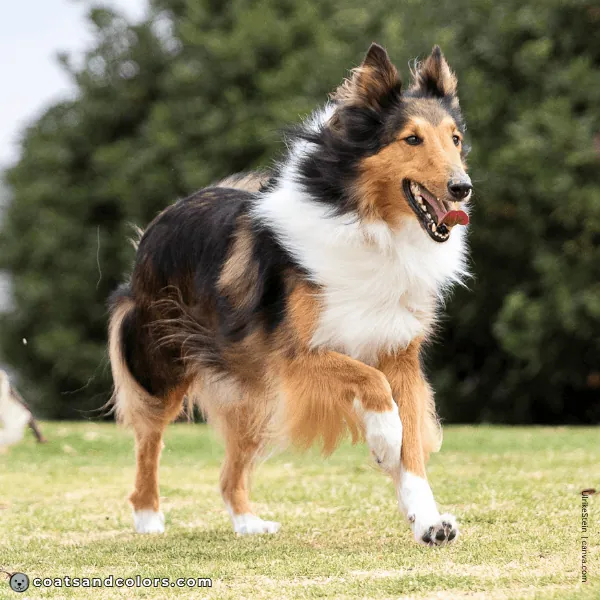
Dogs with Irish markings show a consistent pattern of symmetrical minimal white.
The genetics of Irish markings have not yet been identified.
Panda
Panda is a white marking trait exclusive to German Shepherd Dogs.
| P Locus Alleles | Phenotype |
|---|---|
| P | panda |
| N | normal |
- Gene: KIT
- Allelic Dominance: incomplete dominance
- Order Of Dominance: P ≥ N
Panda is embryonic lethal in homozygous dogs (P/P).
| Genotype | Phenotype |
|---|---|
| P/N | panda |
| N/N | normal |
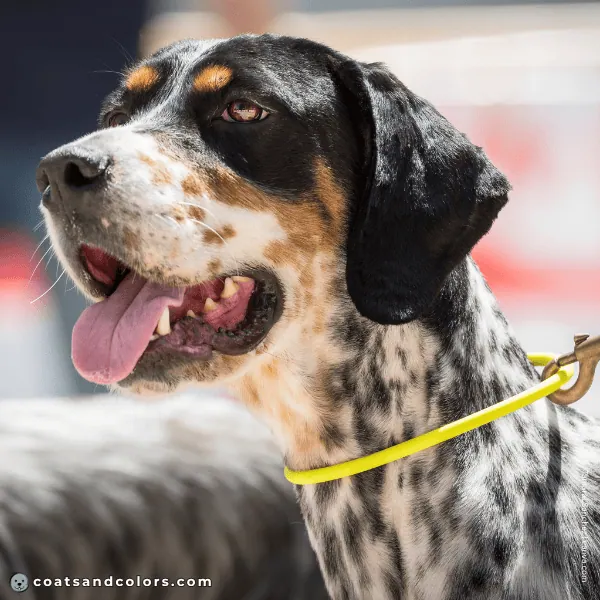
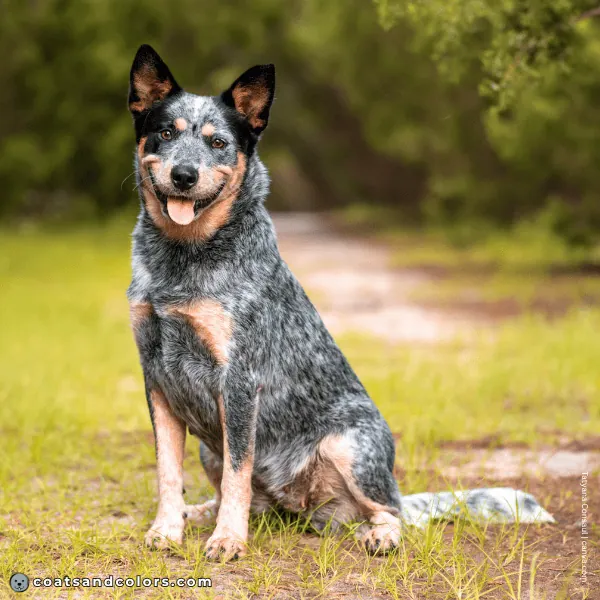
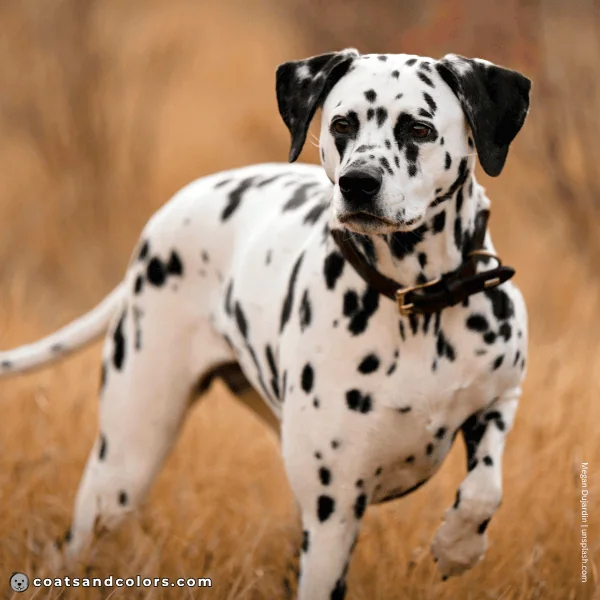
Ticking
Dogs with white markings can show delayed development of mottles (ticking) or pigmented hairs (roan).
| P Locus Alleles | Phenotype |
|---|---|
| TR | roaned white |
| T | ticked white |
| t | solid white |
- Gene: USH2A
- Allelic Dominance: incomplete dominance
- Order Of Dominance: TR ≥ T > t
The interactions between roaning and ticking are still not fully identified.
Also, Dalmatian flecking is related to these phenotypes.
| Genotype | Phenotype |
|---|---|
| TR/TR | heavy roaning |
| TR/T | ticked roaning |
| TR/t | roaning |
| T/T | ticking |
| T/t | ticking |
| t/t | normal |
Merle
White is an optional trait, not every dog has merle.
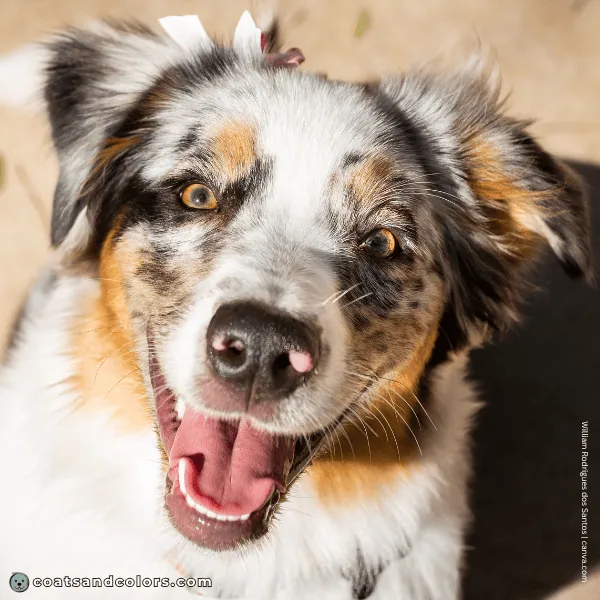
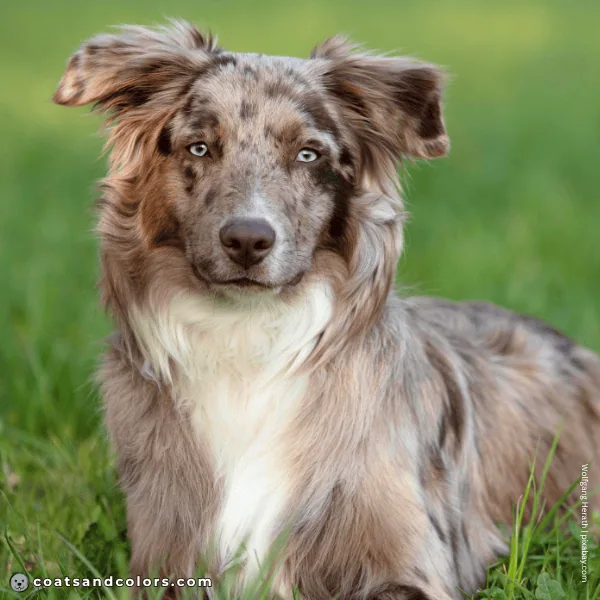
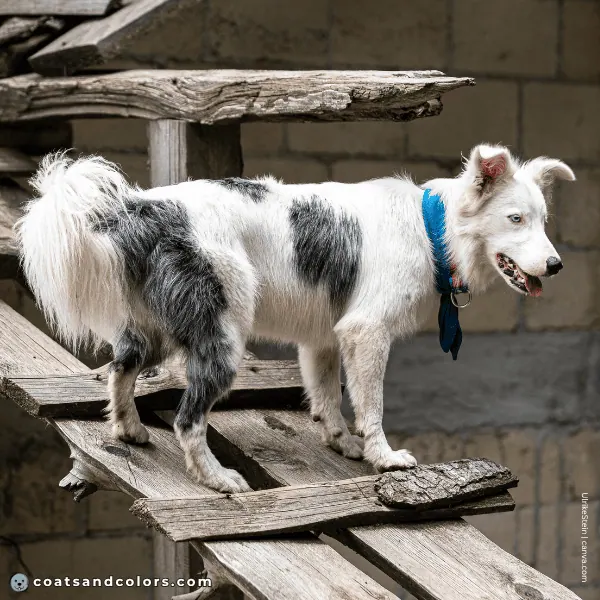
Merle removes pigment in random areas. Different combinations of merle alleles vary in their ability to cause washed-out colors, dilute spots, tweed or patchwork merle, or blue eyes.
- Combinations of longer merle alleles can cause double merle syndrome.
- Both mosaicism or the harlequin merle allele (Mh) can cause a minimal merle phenoytpe.
- Other traits that can hide merle in the pattern can cause hidden merle.
| M Locus Alleles | Phenotype |
|---|---|
| Mh | harlequin merle |
| M | classic merle |
| Ma+ | atypical merle plus |
| Ma | atypical merle |
| Mc+ | cryptic merle plus |
| Mc | cryptic merle |
| m | non-merle |
- Gene: PMEL (premelanosome protein)
- Allelic Dominance: incomplete dominance
- Order Of Dominance: Mh ≥ M ≥ Ma+ ≥ Ma ≥ Mc+ ≥ Mc ≥ m
With this many alleles, you get a lot of different combinations. Merle is also known to often produce mosaicism (when the allele shortens in some cells during early embryonic development).
| Genotype | Phenotype | Risk |
|---|---|---|
| Mh/Mh | merle | high |
| Mh/M | merle | high |
| Mh/Ma+ | merle | high |
| Mh/Ma | merle | high |
| Mh/Mc+ | merle | medium |
| Mh/Mc | merle | low |
| Mh/m | merle | low |
| M/M | merle | high |
| M/Ma+ | merle | high |
| M/Ma | merle | low |
| M/Mc+ | merle | low |
| M/Mc | merle | |
| M/m | merle | |
| Ma+/Ma+ | atypical merle | medium to high |
| Ma+/Ma | (atypical) merle | low |
| Ma+/Mc+ | atypical merle | low |
| Ma+/Mc | atypical merle | |
| Ma+/m | atypical merle, can be non-expressing | |
| Ma/Ma | (atypical) merle | |
| Ma/Mc+ | atypical merle | low |
| Ma/Mc | atypical merle | |
| Ma/m | atypical merle, can be non-expressing | |
| Mc+/Mc+ | cryptic merle | |
| Mc+/Mc | cryptic merle | |
| Mc+/m | cryptic merle | |
| Mc/Mc | cryptic merle | |
| Mc/m | cryptic merle | |
| m/m | non-merle |
Harlequin
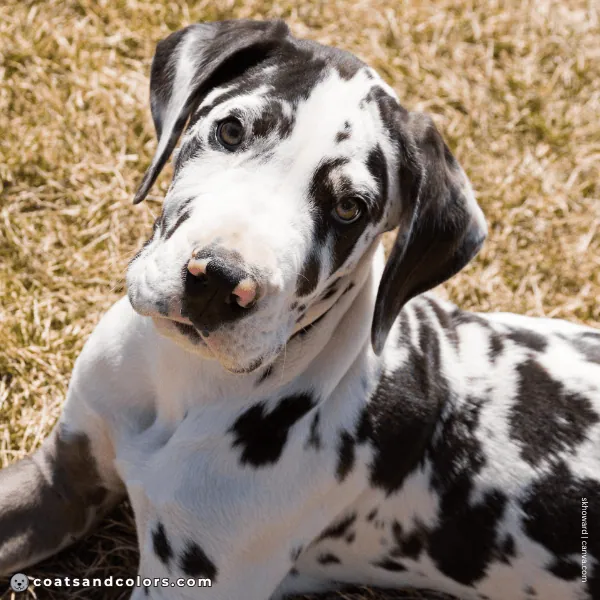
Harlequin is a merle modifier in Great Danes and their mixes.
Dogs need to express merle for harlequin to become visible.
| H Locus Alleles | Phenotype |
|---|---|
| H | harlequin |
| h | normal |
- Gene: PSMB7 (Proteasome subunit beta type-7)
- Allelic Dominance: incomplete dominance
- Order Of Dominance: H ≥ h
Harlequin is embryonic lethal in homozygous dogs (H/H).
| Harlequin | Merle | Phenotype |
|---|---|---|
| H/h | yes | harlequin |
| H/h | no | harlequin not expressed |
| h/h | yes | merle, no harlequin |
| h/h | no | no merle, no harlequin |
Learn More

Image Credits
00luvicecream/pixabay.com
AcidFern/unsplash.com
Aksakalko/canva.com
Al Cole/canva.com
Andrew Kusakin/unsplash.com
Anmfoto/canva.com
Anna Dudkova/unsplash.com
Bianca Ackermann/unsplash.com
cgandy425/canva.com
cynoclub/yayimages.com
Daniel Lincoln/unsplash.com
DavideMombelli/canva.com
Einar Jónsson/unsplash.com
gvictoria/canva.com
Jan Stýblo/unsplash.com
Judy Beth Morris/unsplash.com
Julia Filirovska/pexels.com
Julissa Pires/pexels.com
Kurt Pas/canva.com
Lena Remmert/unsplash.com
Lucie Hošová/unsplash.com
Megan Dujardin/unsplash.com
Mladen Šćekić/pexels.com
nigelb10/canva.com
PK-Photos/canva.com
princegarik/canva.com
sanjagrujic/canva.com
Sebastian Angarita/pexels.com
skhoward/canva.com
Skyler Ewing/unsplash.com
TamaraLSanchez/canva.com
TanyaKozlovsky/canva.com
Tatyana Consaul/canva.com
Thomas Leirikh/canva.com
TumKung/canva.com
UlrikeStein/canva.com
veera Batlu/unsplash.com
Viorika/canva.com
William Rodrigues dos Santos/canva.com
Wirestock/canva.com
Wolfgang Herath/pixabay.com
yuriz/canva.com
Hi! I’m Steffi. I am a biologist and a big time dog nerd. You are curious about coat color genetics? You’ve come to the right place! Read more.