E Locus

Extension Locus E Locus 900x600 1

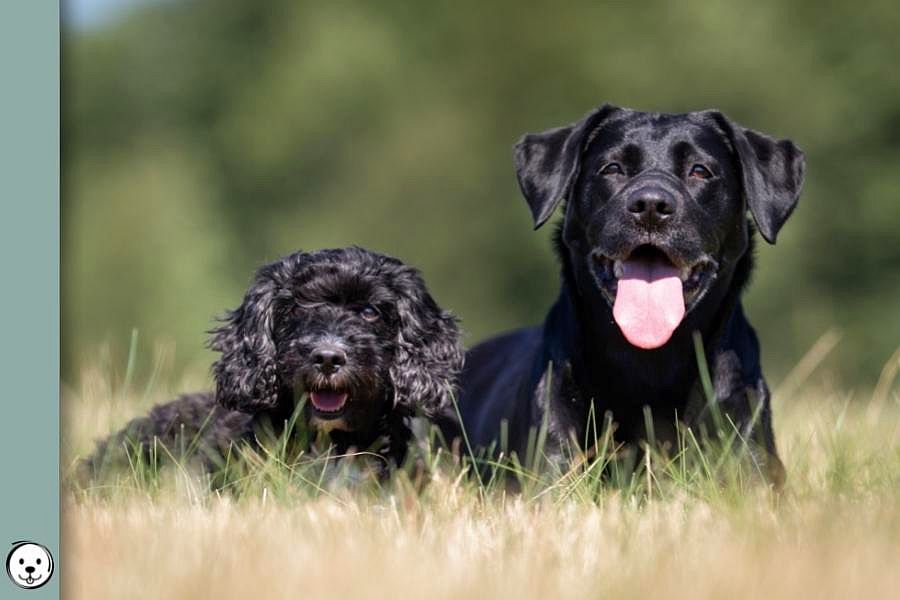
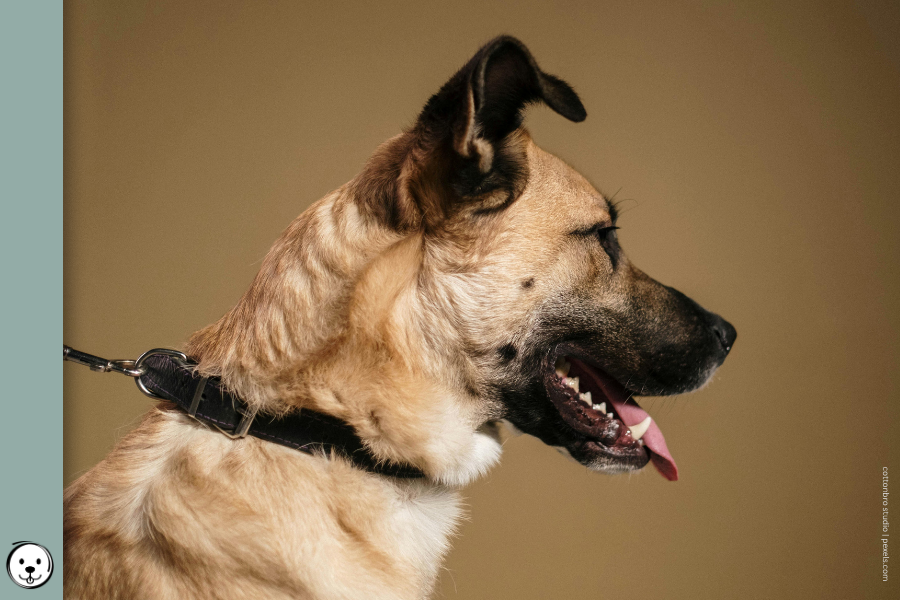
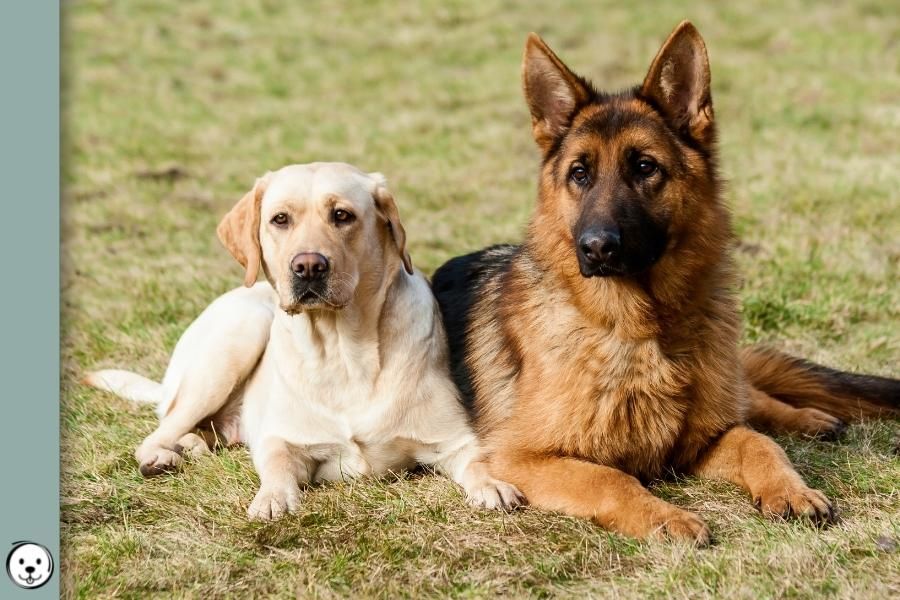
The E-Locus defines how much eumelanin can be expressed. Different alleles can cause melanistic masks, domino, grizzle and cocker sable phenotypes or recessive red coat. E-Locus Overview The Extension-Locus was named a long time before genetic testing was available. It got its name because it can extend the amount of black to yellow pigment in … Read more
Recessive Red (e/e)

Recessive Red 900x600 1

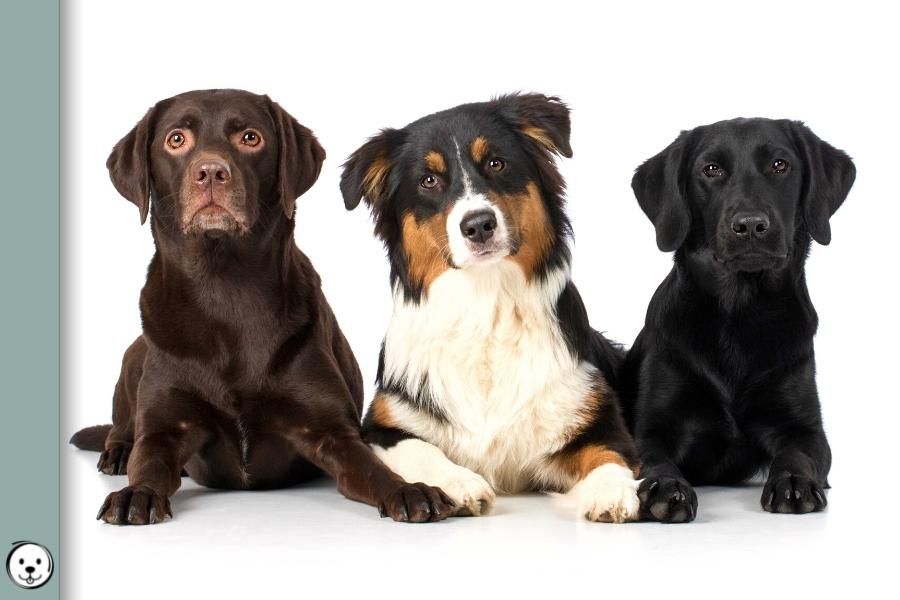
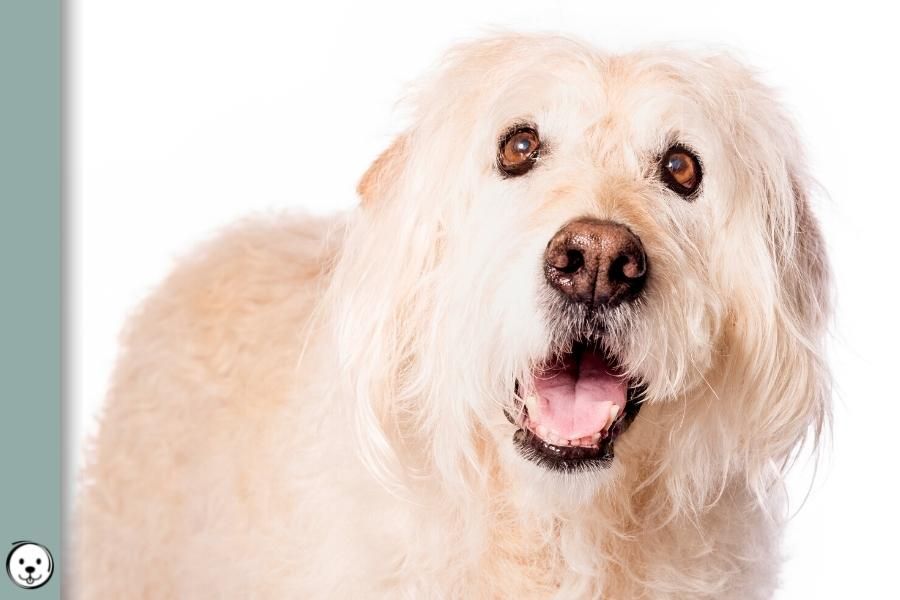
Recessive red (e/e) causes a dog to only produce phaeomelanin in all pigmented areas. Many dog breeds with a solid white, yellow, or red coat are in fact e/e-red. What is Recessive Red? Usually, pigment cells can produce both types of pigment, eumelanin and phaeomelanin. But by default, pigment cells produce only phaeomelanin. They need … Read more

Cocker Sable (eH)

eH Cocker Sable 900x600 1

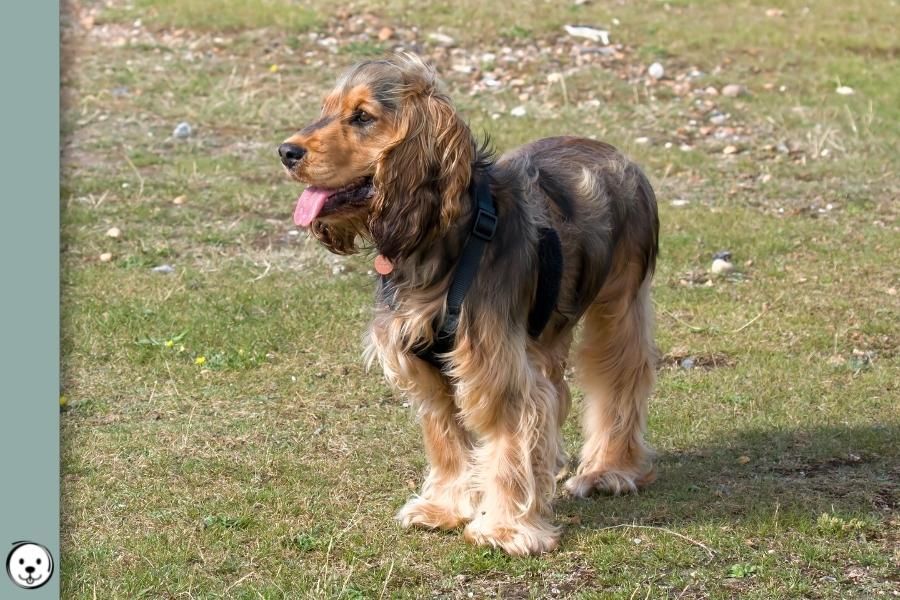
The eH allele at the E locus causes an interesting phenotype in Cocker Spaniels that either resembles a regular sable pattern or is described as a dirty red color pattern. What is Cocker Sable? The eH variant found at the E locus modifies any base coat color pattern by partially inhibiting eumelanin production. It causes … Read more

Sighthound Domino – Grizzle (eG)

Sighthound Grizzle Domino Coat Color 900x600 1

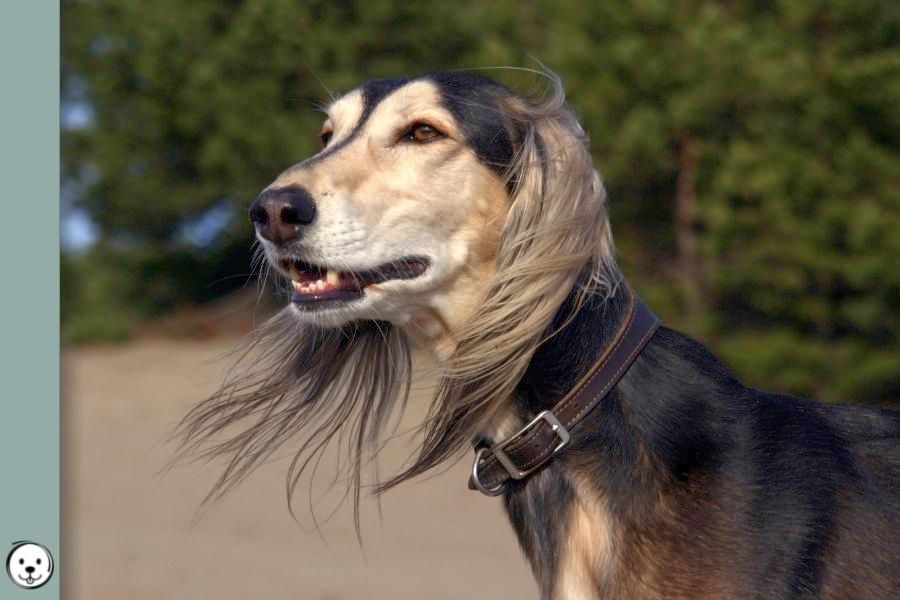
The eG allele at the E-Locus modifies any coat color pattern by reducing eumelanin and increasing phaeomelanin. This causes different new phenotypes mainly found in sighthound breeds. What is Domino or Grizzle in Sighthounds? Domino changes any base pattern by decreasing eumelanin expression. The resulting phenotypes go by various breed-specific names like grizzle, domino, chinchilla, … Read more

Northern Domino (eA)

Northern Domino Coat Color 900x600 1

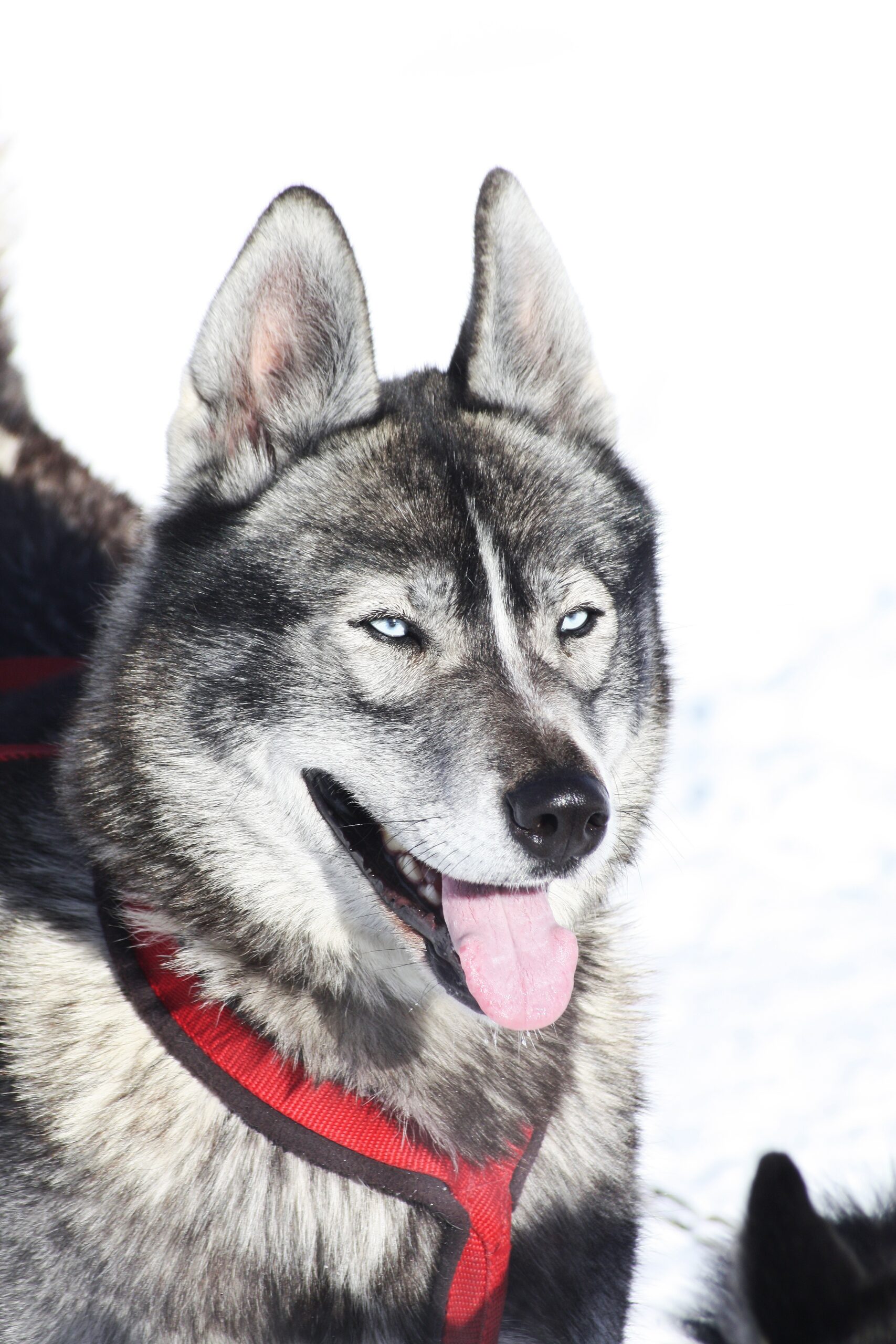
The recently discovered eA allele at the E-Locus is responsible for a particular phenotype with reduced eumelanin production and increased phaeomelanin expression. In Northern breeds, this is called Northern domino. But this allele is not limited to sled dogs. What is Ancient Red? Domino reduces eumelanin expression and increases phaeomelanin expression. But it can for … Read more

Seal and Ghost Tan

Seal Dog Coat Color 900x600 1

Seal causes a more or less pronounced golden, red, or brownish sheen on a dark coat. This is often accompanied by a darker dorsal stripe and darker coloration on the lower legs, tail, and face. Ghost patterns seem to be caused by incomplete dominant black that can’t fully mask a dog’s A locus pattern. But … Read more

K Locus

K Locus 900x600 1

The K-Locus controls the agouti gene expression in canine coat. Different combinations of K locus alleles can cause dominant black, brindle, or normal agouti gene expression. K Locus Overview The K-Locus is named for the solid blacK coat it can cause in dominant black dogs[4,5]. The alleles at the K locus seem to follow a … Read more

Dominant Black (KB)

Dominant Black KB Dogs 900x600 1

The dominant allele at the K-Locus (KB) inhibits the production of phaeomelanin and causes a solid eumelanin-pigmented phenotype in dogs that is commonly called dominant black. Here, we look at the variations and genetics of a dominant black coat in dogs. What is Dominant Black? The KB allele at the K-Locus promotes eumelanin synthesis and … Read more

Brindle (kbr)

Brindle Dogs 900x600 1

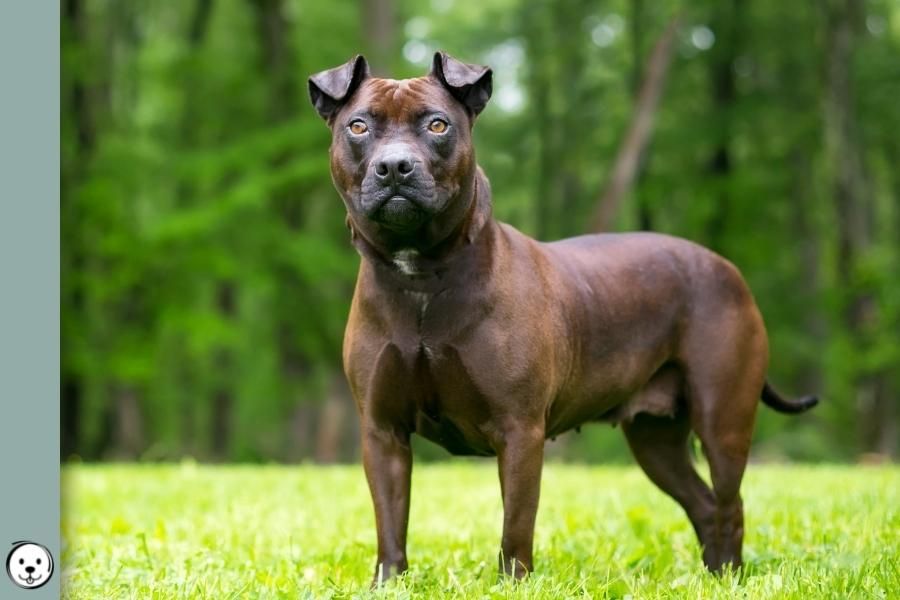
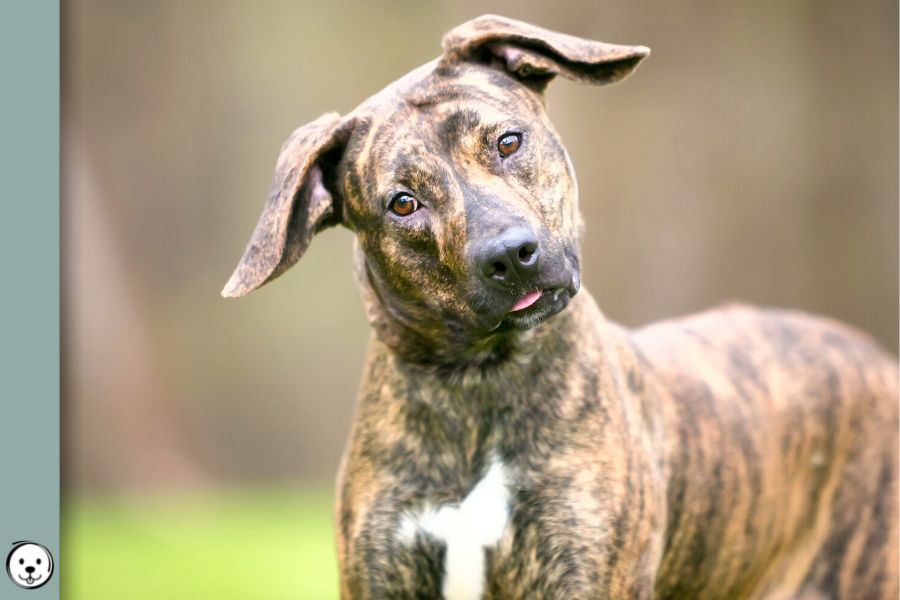
Brindle (kbr) is a pattern that causes black stripes on a red base color. Here we look at the variations and genetics of brindled coats in dogs. What is Brindle? Brindle can only happen in dogs that express any of the A-Locus patterns with visible red pigment (clear sable, shaded sable, agouti, saddle back, creeping … Read more

Melanistic Masks (Em)

Melanistic Mask Em 900x600 1

Melanistic masks are caused by Em, the dominant allele at the E locus. Here, we take a look at the different variations and the genetics of melanistic masks in dogs. What is a Melanistic Mask? The Em allele at the E locus causes a mask of eumelanin on the muzzle. These (eu)melanistic masks can stay … Read more