

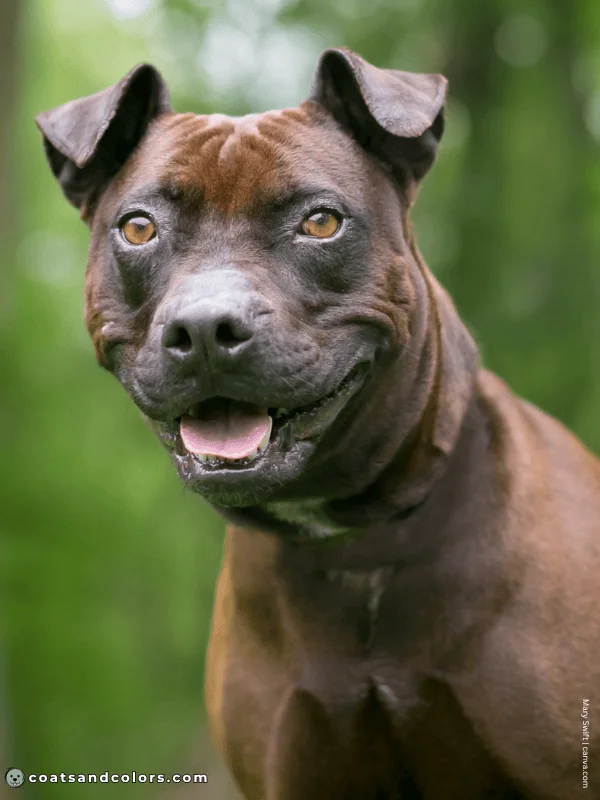
The dominant allele (KB) at the K locus inhibits the production of phaeomelanin. This causes a solid dark phenotype, because dogs can only express eumelanin in their coat. In this post, we look at all the variations (and the genetics) of the dominant black pattern in dogs.
What is Dominant Black?
The KB allele at the K locus blocks phaeomelanin expression.
This means, that all the pigment cells in the hair follicles of a KB/- dog will only produce eumelanin.
This blocks the expression of the A locus. All A locus patterns (sable, agouti, saddle, tan point, etc.) need tan pigment. And these patterns will not be visible since a KB/- dog can’t have tan hairs.
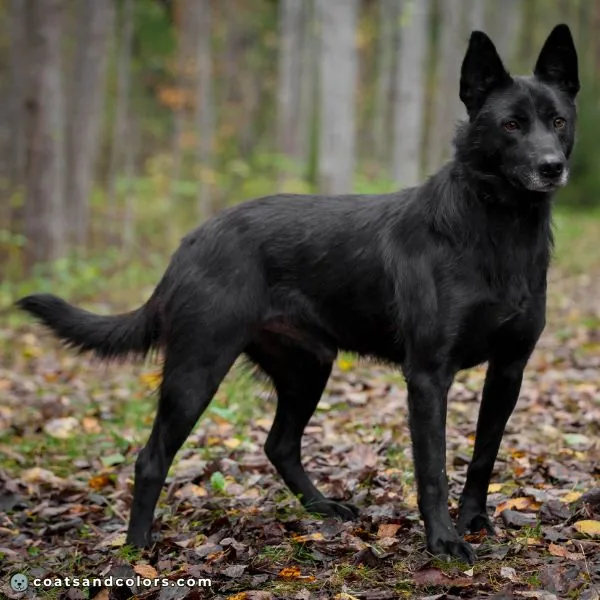
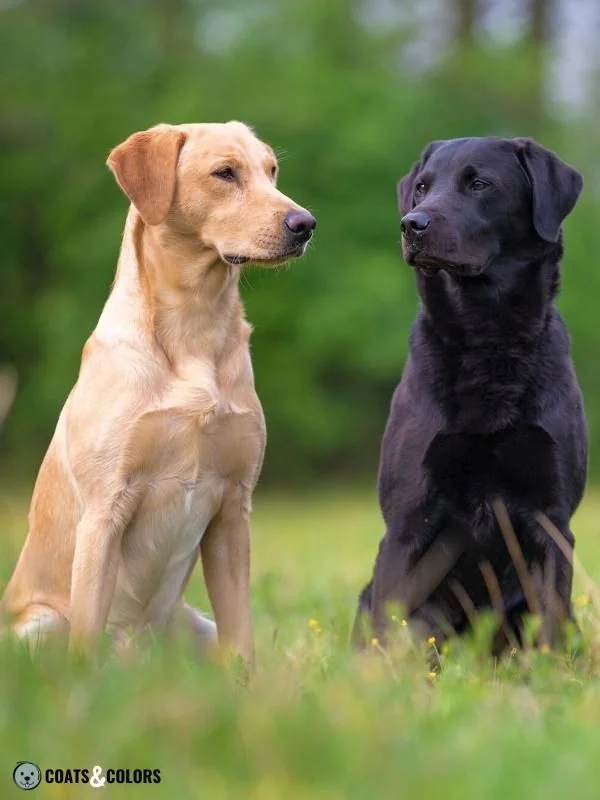
Example: Did you know that the majority of Labrador Retrievers have a tan point genotype (at/-)? But solid black Labs do not express tan markings because they are also KB/KB[2]!
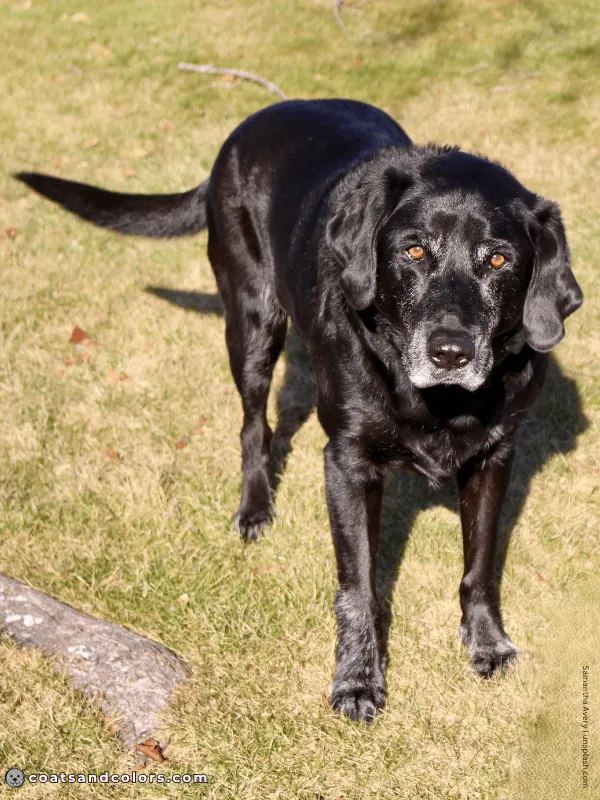
Are all dominant black dogs solid black?
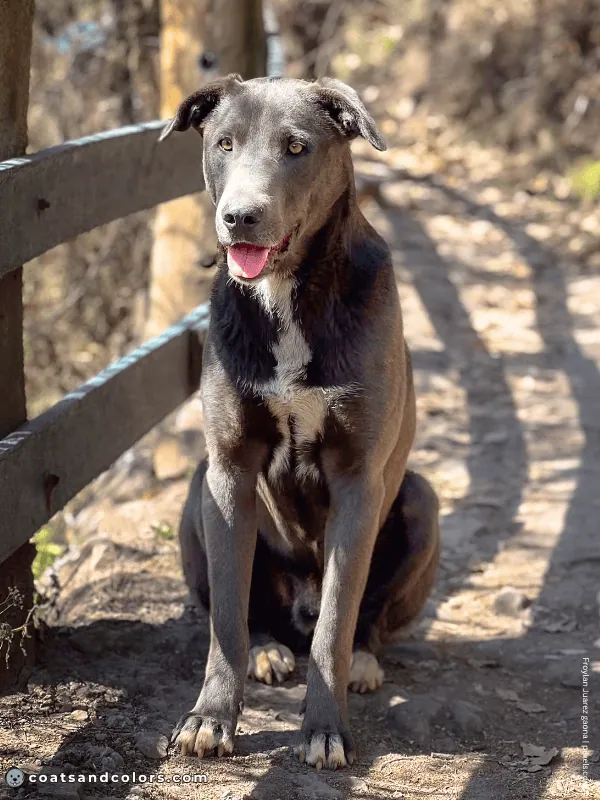
No! The dominant black pattern was just named after the default eumelanin color, which happens to be black. But a KB/- dog can just as well be solid brown, blue, or lilac.
Next to eumelanin base colors, there are many other traits like merle, domino, white spotting, or graying that can alter the colors and color distribution pattern on a dominant black dog.

The KB Allele
Different distributions of pigment happen when some pigment cells build phaeomelanin and some build eumelanin. Or when pigment cells switch from one to the other pigment type during hair growth.
The K locus in dogs has gained the ability to meddle with pigment type switching several thousand years ago[4]. More specifically, the dominant KB allele can fully prevent agouti gene expression[1].
KBlack is the dominant allele in the K series and KB/- is responsible for a solid dark coat.
kbrindle represents a combination of KB and ky on the same chromosome. Dogs with kbr/- have areas that express their A locus normally (behave like ky). And they have areas that express a solid dark color (behave like KB). Being brindle causes a patterned dog with dark striping on top of their pattern.
kyellow is the recessive allele in the K series. Only ky/ky enables normal agouti gene expression.
Since KB is a dominant trait, one copy is enough to produce a solid dark phenotype.
Dogs with a KB/- genotype can carry brindle (KB/kbr) or normal agouti expression (KB/ky). But a dog that is homozygous dominant (KB/KB) can only produce dominant black puppies.
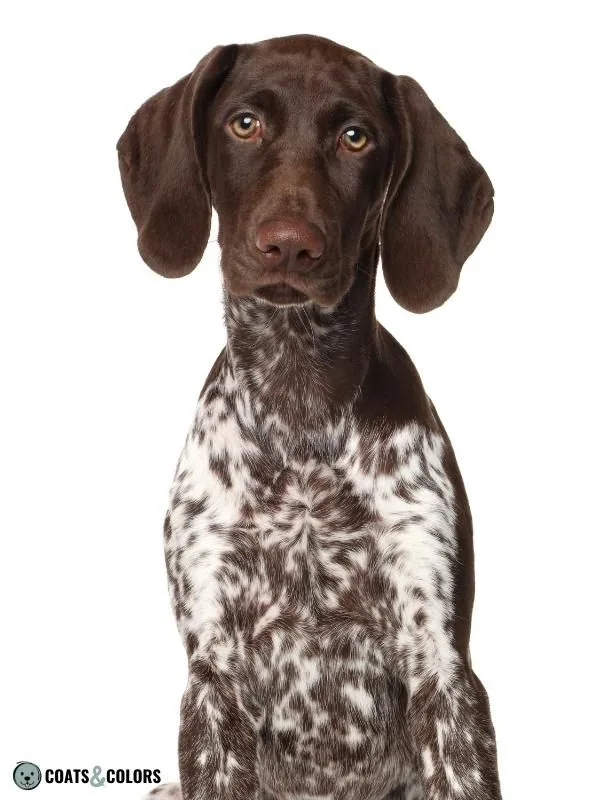
Dominant black is found in many solid or solid-and-white breeds like Labrador Retrievers, Newfoundland, Weimaraner, Schipperke, Border Collie, Dalmatian, or German Shorthaired Pointer.
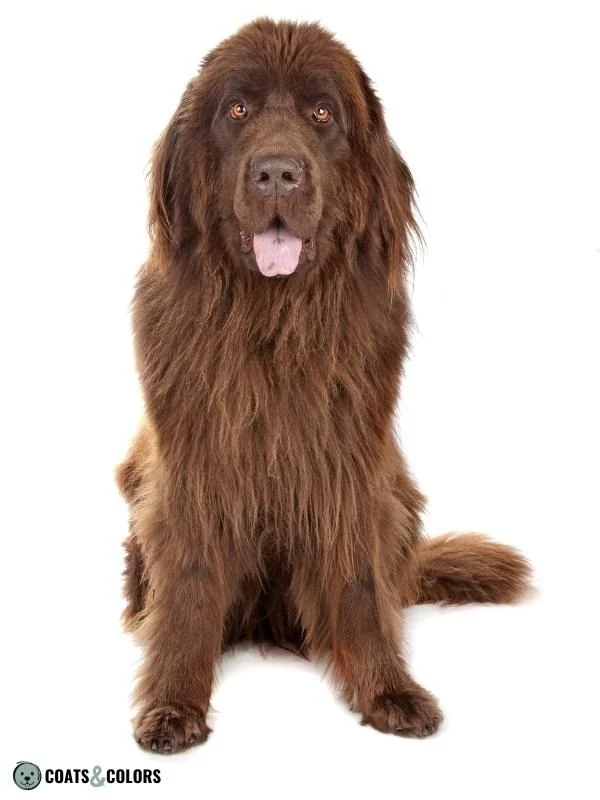
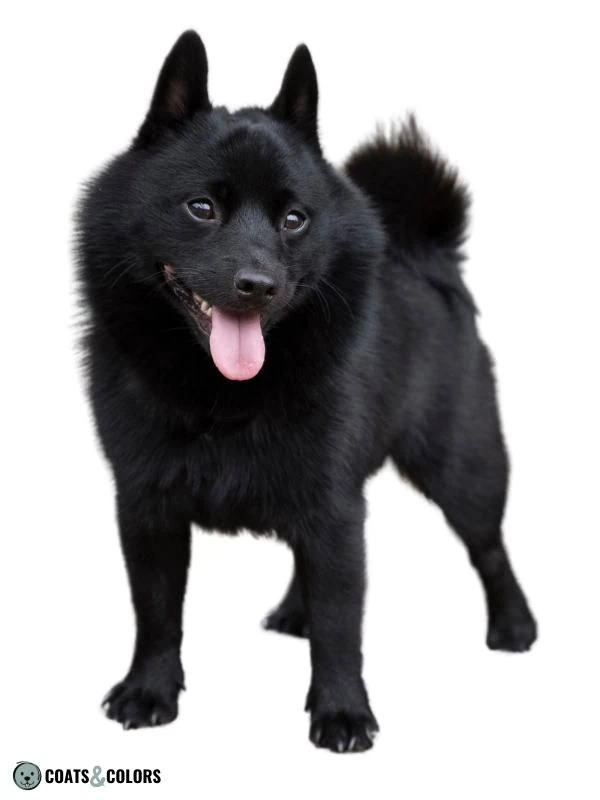
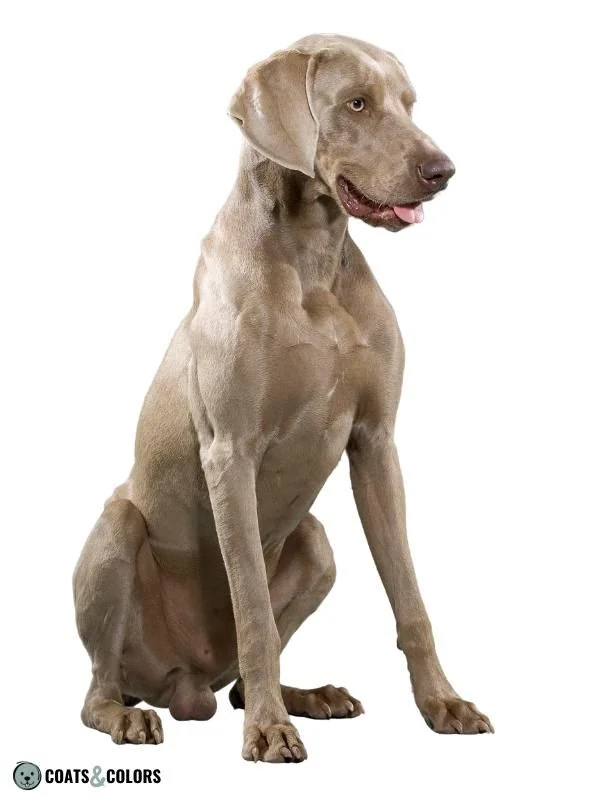
KB is also absent from many breeds. For example, patterned breeds like Beagles, Rottweilers, or Rough Collies are fixed for ky/ky. These breeds would consider solid black as a mismark.
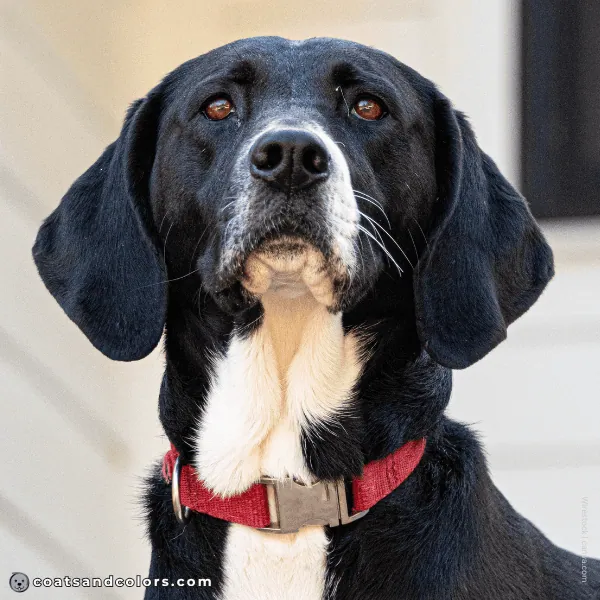
At this point, we should mention that only very few companies offer commercial testing for the kbr allele. Brindle is a structural variant that contains both ky and KB elements on the same chromosome. Brindle is “partial dominant black” which makes it hard for most companies to distinguish between KB and kbr.
Since kbr has combined features from KB and ky it will show up in most tests as KB/ky. So if your dog’s test comes back as KB/ky, it might actually be KB/kbr or even visually brindle due to kbr/kbr, or kbr/ky.
Dominant Black Expression
Not all dogs with KB/- will look solid black (or brown, blue, lilac).
To express dominant black, a dog has to be able to produce eumelanin.
- KB is not visible in dogs with extended pigment deletion (piebald, whitehead, double merle). Since extreme white markings prevent any pigment in the coat at all, the KB pattern might be invisible.
- A dominant black dog can also never be recessive red (e/e) at the same time. Dogs with e/e lost the ability to respond to KB. They can only produce phaeomelanin in their hair follicles.
For example, most yellow Labradors are e/e KB/KB. They can’t express dominant black since they can only produce yellow pigment. A Labrador Retriever has to be E/- KB/KB to produce a solid dark coat.
Dominant Black Variations
Many different genes can cause a variety of phenotypes in dominant black dogs.
Base Colors
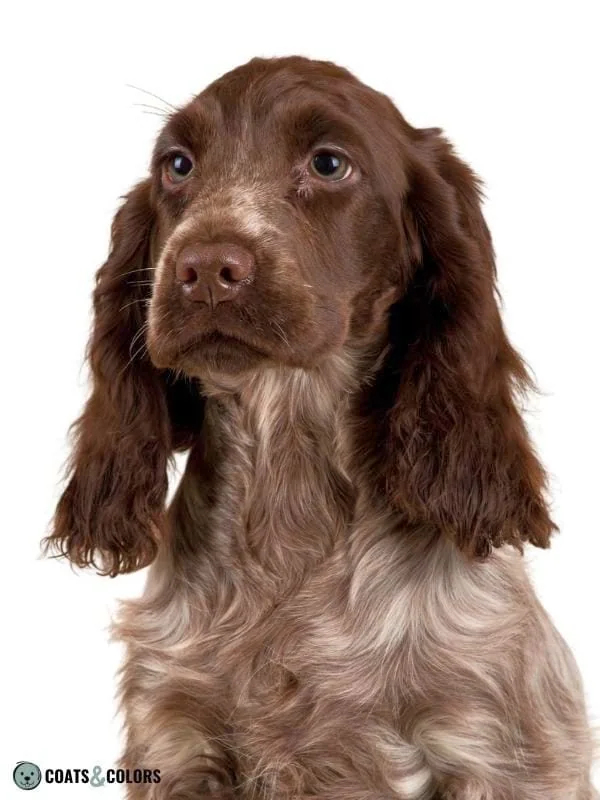
Eumelanin can be black, brown, blue, or lilac, depending on the B locus and D locus:
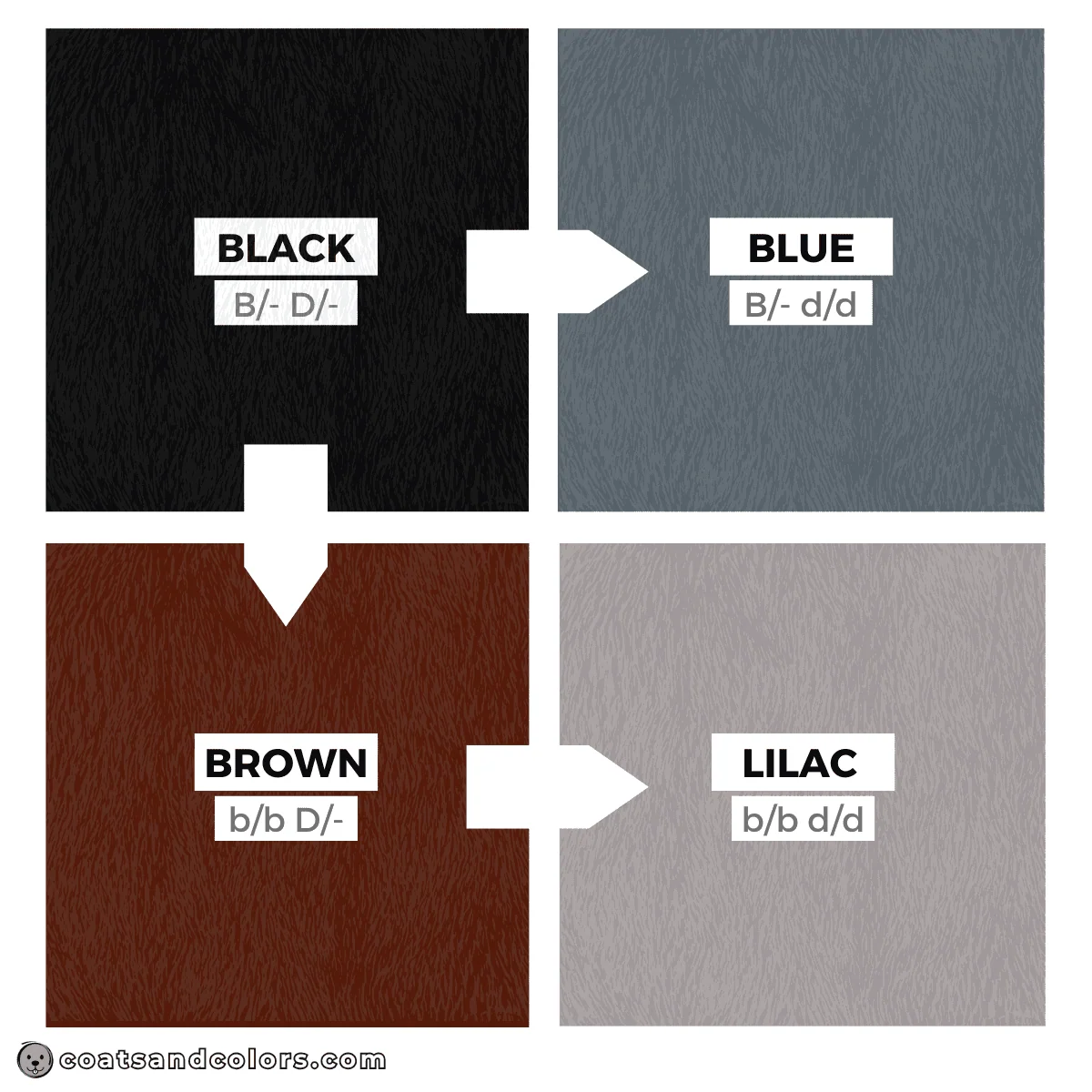
These genes determine the color of all the eumelanin on a dog’s body. They not only turn all the eumelanin in the coat a certain color. They also affect a dog’s nose color, skin color, and even eye color.

White Markings
White markings are caused by a partial or complete lack of pigmentation in some areas of a dog’s coat. White deletes whatever color these areas would normally have shown.
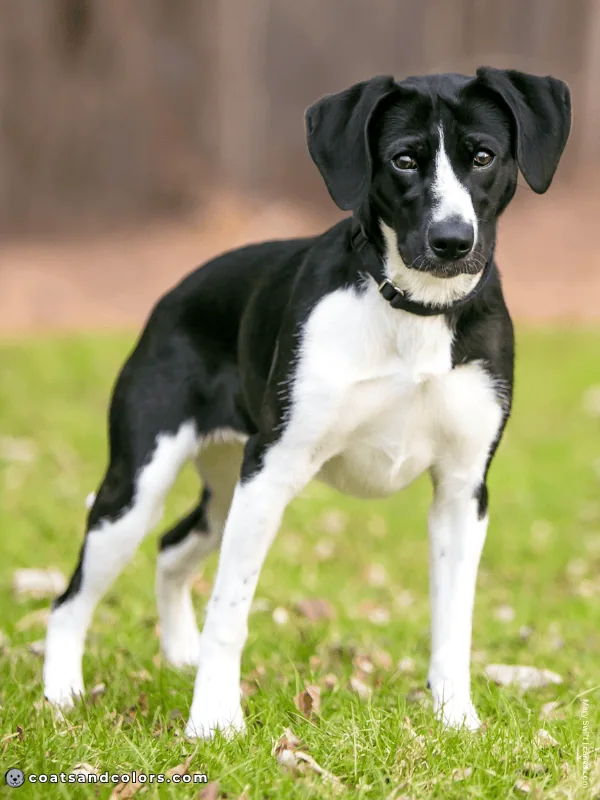
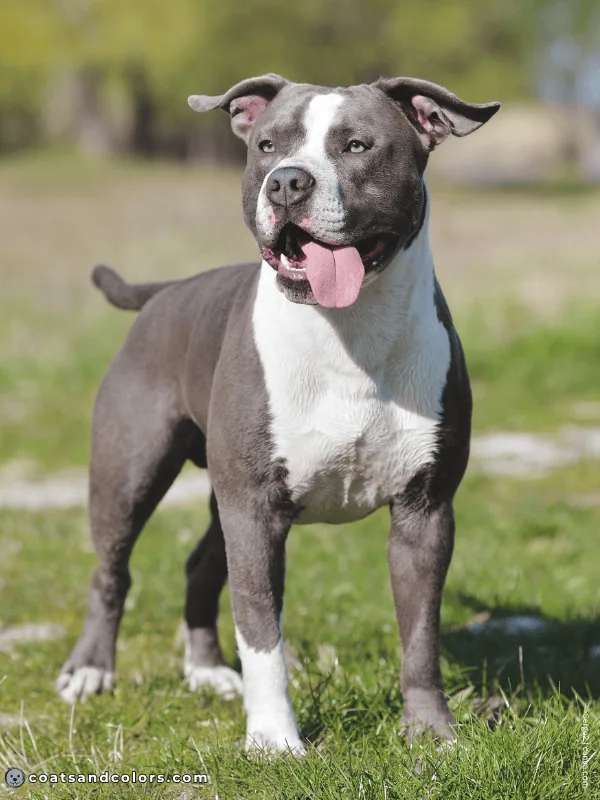
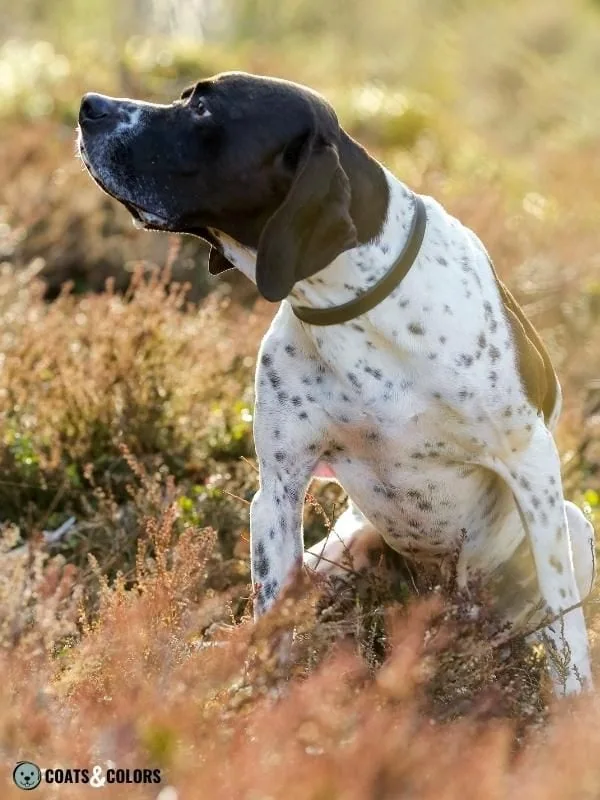
Ticking or roan in white areas has the same color the coat would have had without the white markings. So on a dominant black dog, all ticking will have the color of a dog’s eumelanin.
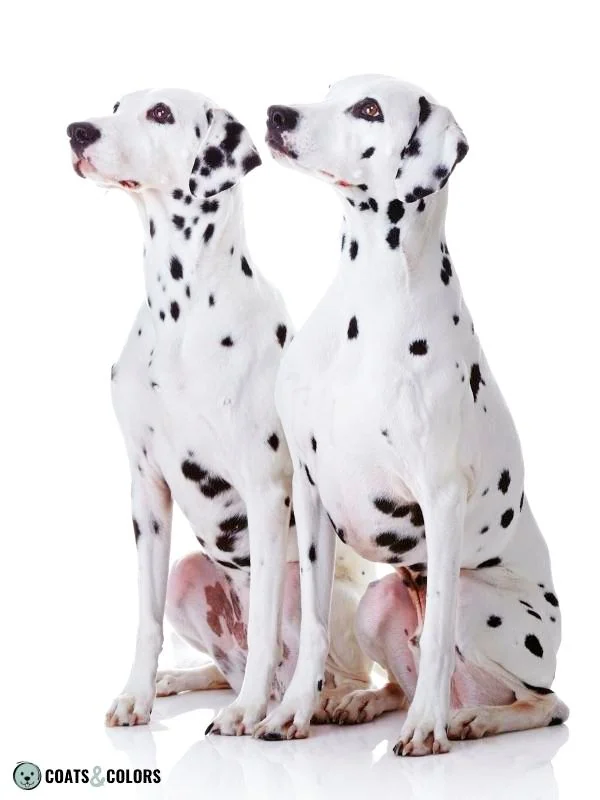
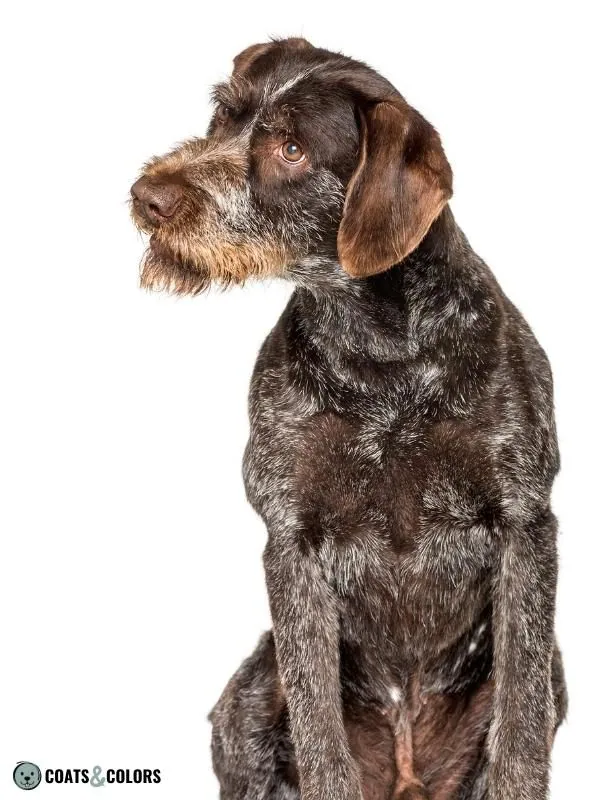
Dalmatians, German Wirehaired Pointer, or English Pointers are basically fixed for KB/KB[2]. But their solid color is only visible in the spots and patches, while most of the coat is covered by white.
Faded Colors
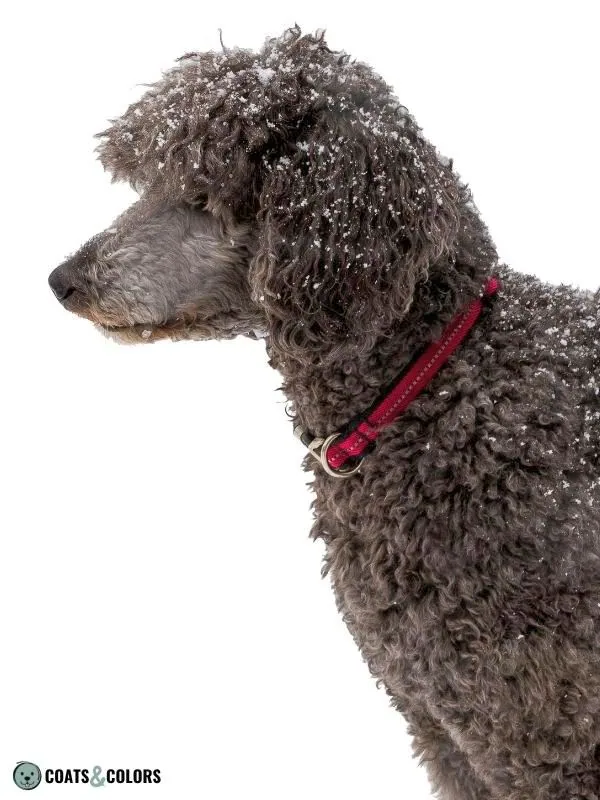
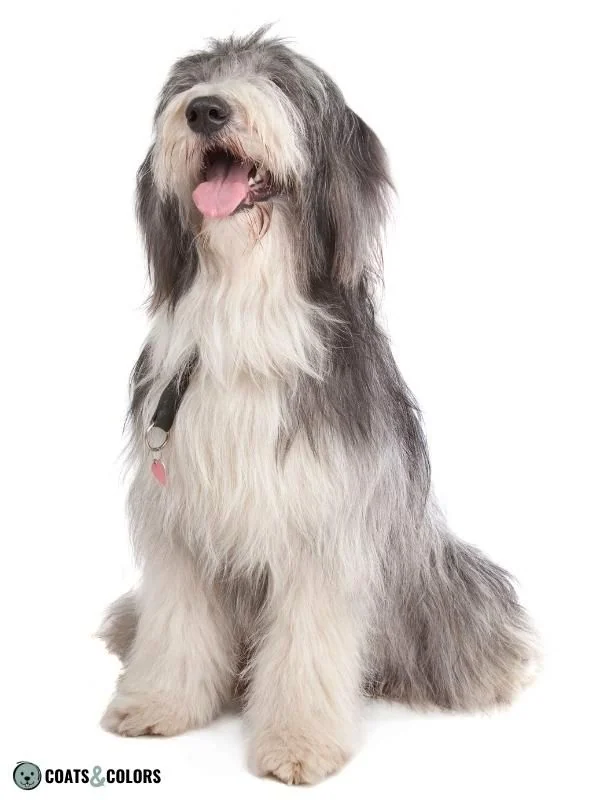
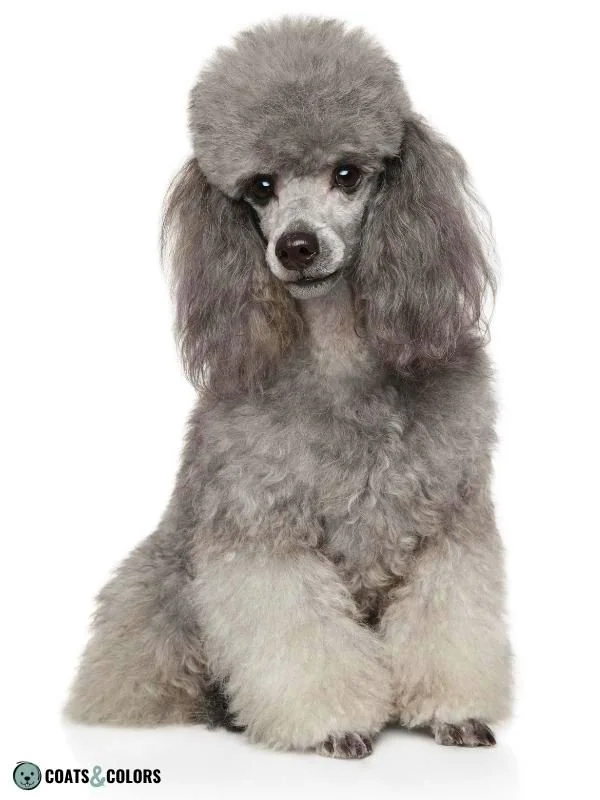
Graying can cause fading of eumelanin color during hair growth. It gives the coat an almost multi-colored quality with a color transition from hair roots to hair tips.
Affected puppies are born with their full pigment color. But less and less color will be distributed to the growing hair until the hair is light gray, beige, or even silvery white.
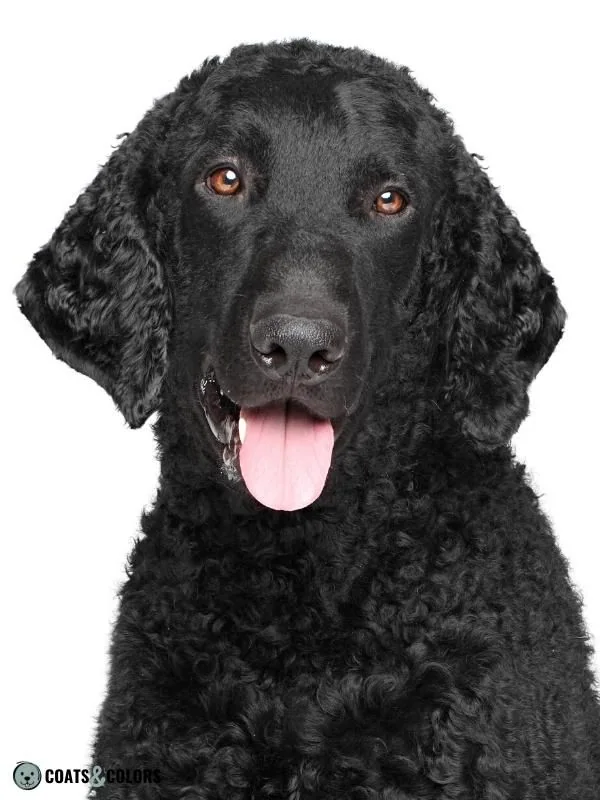
Progressive graying needs long periods of hair growth to take full effect. For some unknown reason, it only affects furnished breeds like Bearded Collies or Poodles.
Ghost Tan Patterns
The dominant black pattern should fully hide what a dog has on its A locus.
But in some dogs, we see “incomplete dominant black“.
An untestable trait causes a phenotype where the tan of the hidden A locus shows through. This produce various ghost tan patterns such as ghost sable (called seal), ghost saddles, or ghost tan points.

Merle
Merle can delete pigment from any pattern.
This causes a marbled pattern with areas that still have normal pigment, merled areas with partially deleted pigment, and maybe even some white patches with fully deleted pigment. Merle mainly removes eumelanin, so it affects all the pigmented areas in a dominant black coat.
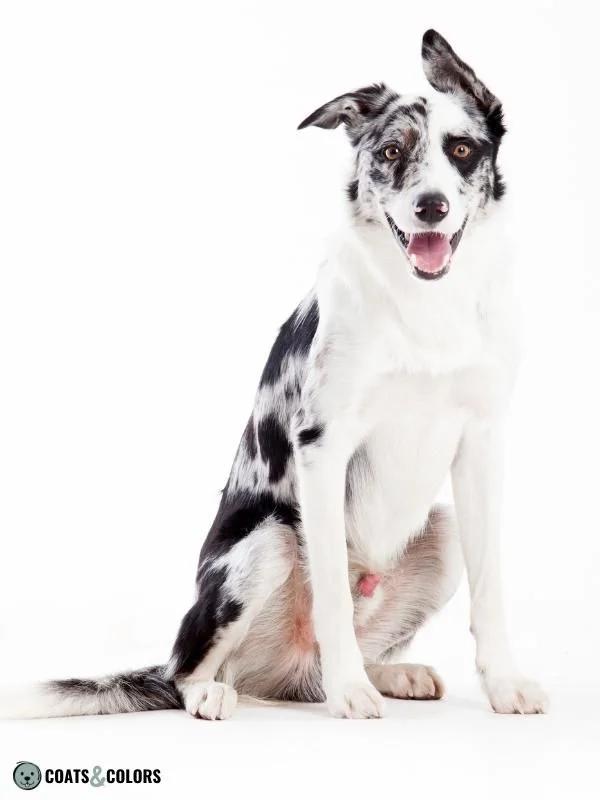
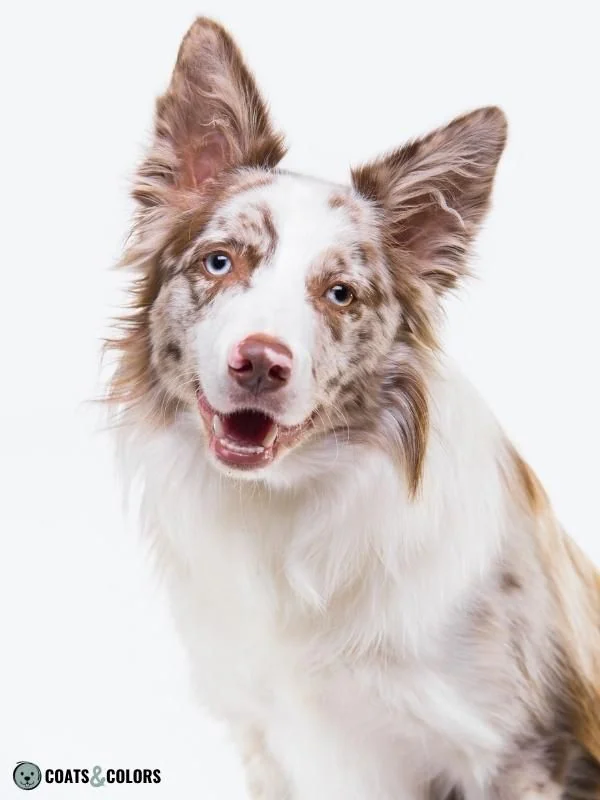
Many breeds with Merle (such as Border Collies) also have KB. Their solid dark coat provides the perfect canvas to produce an extra loud merle pattern all over the body.
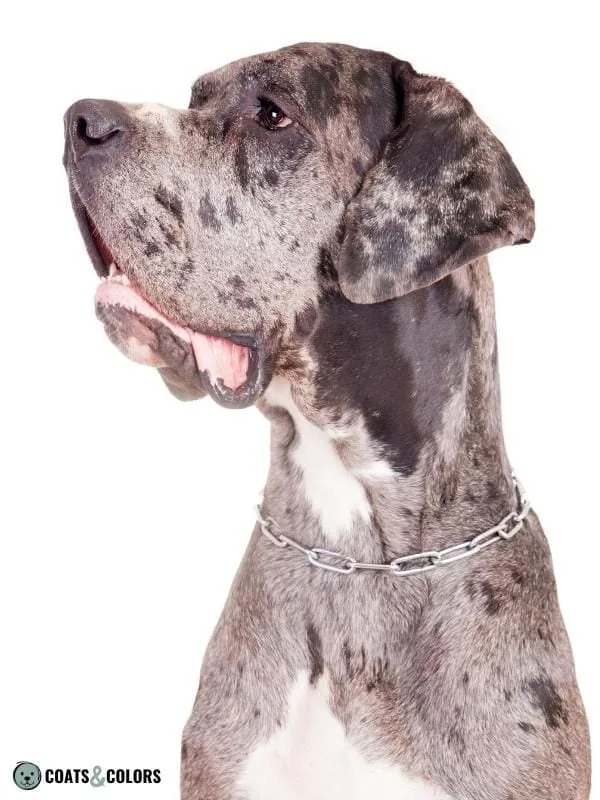
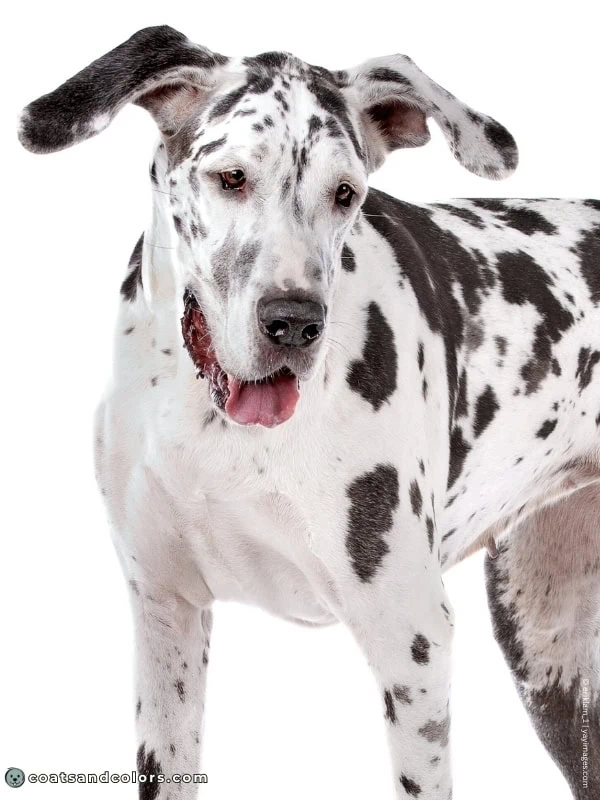
Great Danes take it one step further and can turn black merle into harlequin. Their unique merle modifier deletes all pigment from merled areas. This gives a white coat with torn black patches.
KB Domino
There are different alleles at the E-Locus (eA, eG and eH) that can cause domino or grizzle patterns.
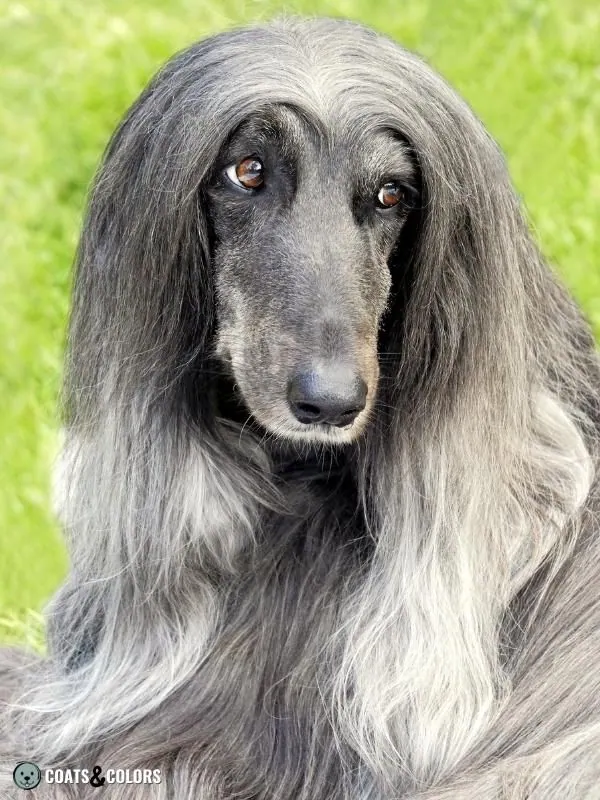
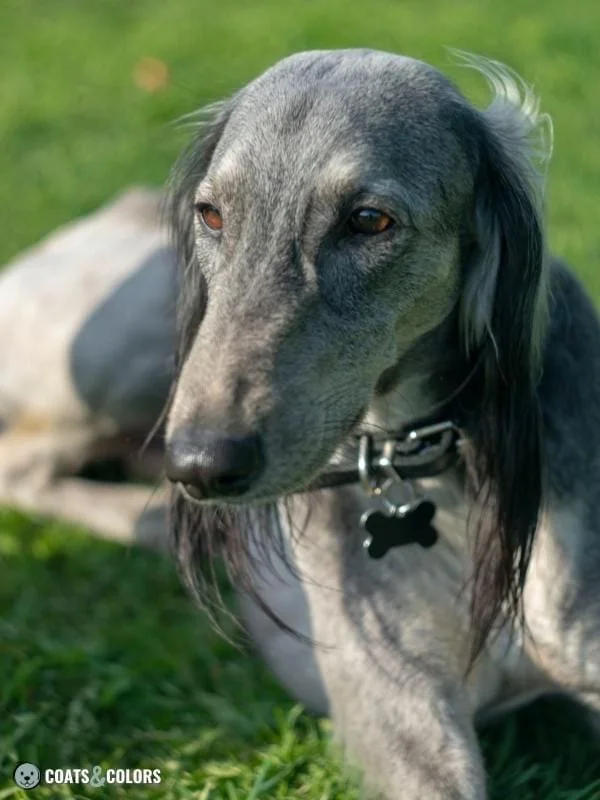
To put it simply, domino reduces eumelanin production and lets some of the hidden A locus show through. Many KB domino dogs look grayish with silvery hints of their hidden pattern.
The Other Black: Recessive Black
Dogs need ASIP to tell their pigment cells to make tan pigment (phaeomelanin). Dominant black kind of blocks the ASIP signal. And without ASIP, the pigment cell makes black pigment (eumelanin).
There is a second mechanism that can cause a solid dark coat. Some dogs have a broken ASIP gene. These dogs do not lack ASIP because KB blocks it. These dogs lack ASIP because they can’t make any.
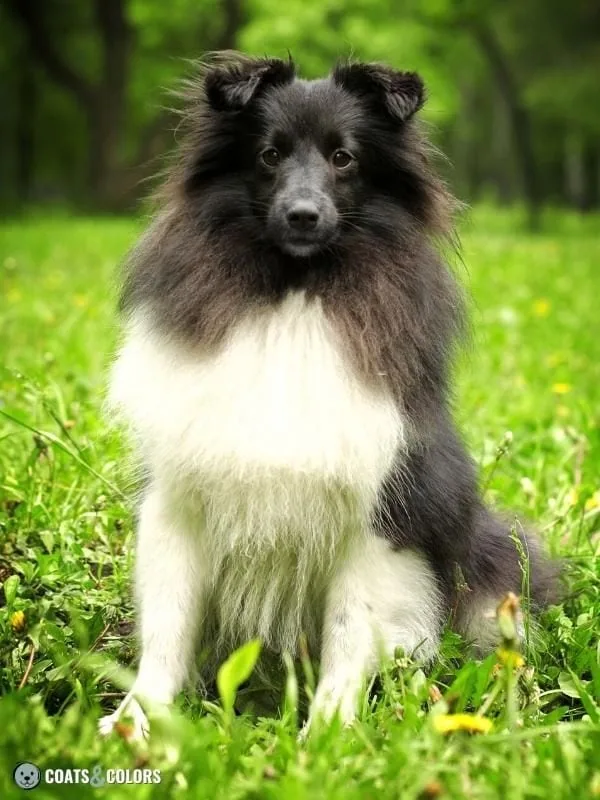
This is called recessive black as it is caused by being homozygous for the most recessive of the A locus alleles (a/a). Affected dogs can be a/a ky/ky or a/a kbr/- and will look solid dark wither way.
This is a common phenotype in black German Shepherd Dogs and bi-colored Shelties.
One of the differences between dominant and recessive black is that a/a sometimes gets a little bit of a signal through to the pigment cells and dogs can still have some tan on their eyes or paws.
Learn More

Links
[1] Candille SI, Kaelin CB, Cattanach BM, Yu B, Thompson DA, et al. (2007) A beta-defensin mutation causes black coat color in domestic dogs. Science 11(1): 24–30. https://doi.org/10.1126/science.1147880
[2] Dreger DL, Hooser BN, Hughes AM, Ganesan B, Donner J, Anderson H, et al. (2019). True Colors: Commercially-acquired morphological genotypes reveal hidden allele variation among dog breeds, informing both trait ancestry and breed potential. PLoS ONE 14(10): e0223995. https://doi.org/10.1371/journal.pone.0223995
[3] Dayna L. Dreger, Sheila M. Schmutz. A New Mutation in MC1R Explains a Coat Color Phenotype in 2 “Old” Breeds: Saluki and Afghan Hound. Journal of Heredity, Volume 101, Issue 5, September-October 2010, Pages 644–649, https://doi.org/10.1093/jhered/esq061
[4] Ollivier M, Tresset A, Hitte C, Petit C, Hughes S, Gillet B, et al. (2013): Evidence of Coat Color Variation Sheds New Light on Ancient Canids. PLoS ONE 8(10): e75110. https://doi.org/10.1371/journal.pone.0075110
Image Credits
RosaJay/yayimages.com
eriklam_1/yayimages.com
Froylan Juarez Gaona/pexels.com
Sergo2/canva.com
Wirestock/canva.com
Samantha Avery/unsplash.com
Malisa Nicolau/canva.com
Mary Swift/canva.com
Hi! I’m Steffi. I am a biologist and a big time dog nerd. You are curious about coat color genetics? You’ve come to the right place! Read more.