
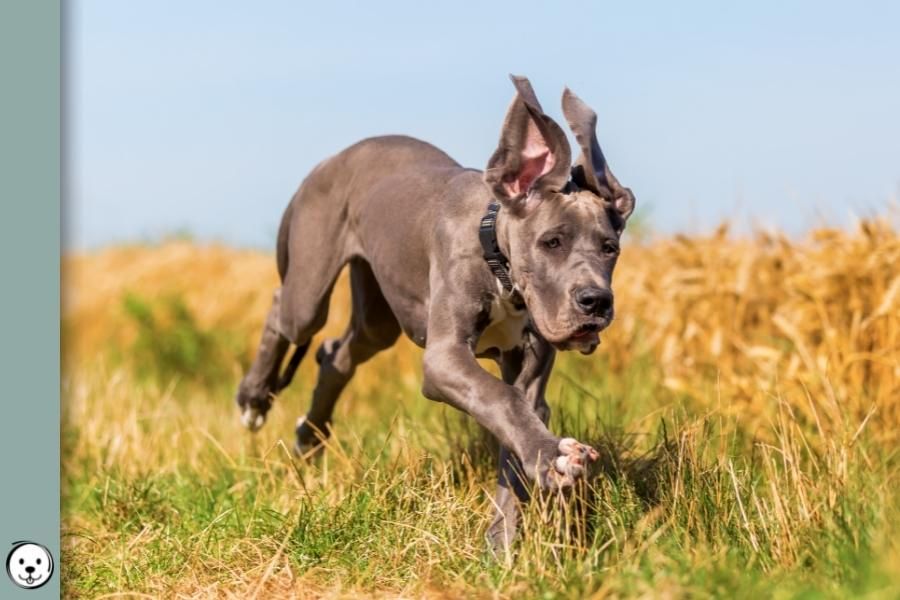
The D locus can cause color dilution of black or brown pigment. Homozygous recessive (d/d) dogs can only produce eumelanin that is either blue (diluted black) or lilac/isabella (diluted brown).
What is Color Dilution?
The melanosomes found in a dog’s pigment cells produce and store pigment before they are distributed into a growing hair. But in dogs with color dilution, these pigment organelles are not distributed evenly.
Instead, melanosomes clump together, which creates large empty cavities inside the hair shaft. This causes the coat to absorb less light, making the dog’s color appear pale and diluted.
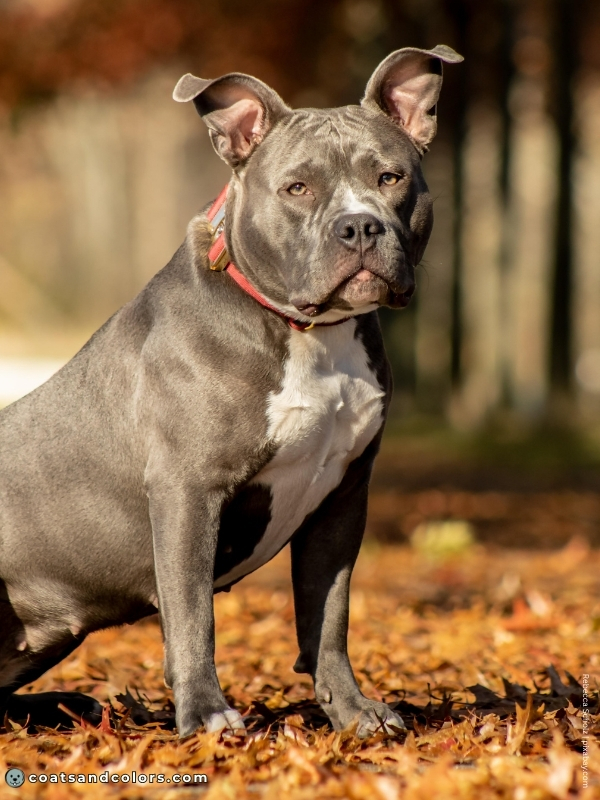
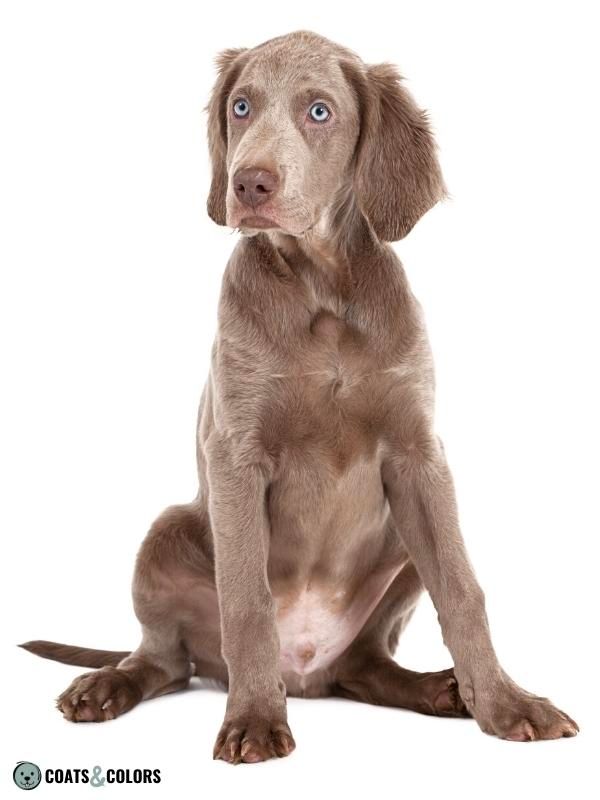
Color dilution at the D locus commonly affects eumelanin (although it is believed to also lighten the shade of phaeomelanin to some degree or in some families of dogs).
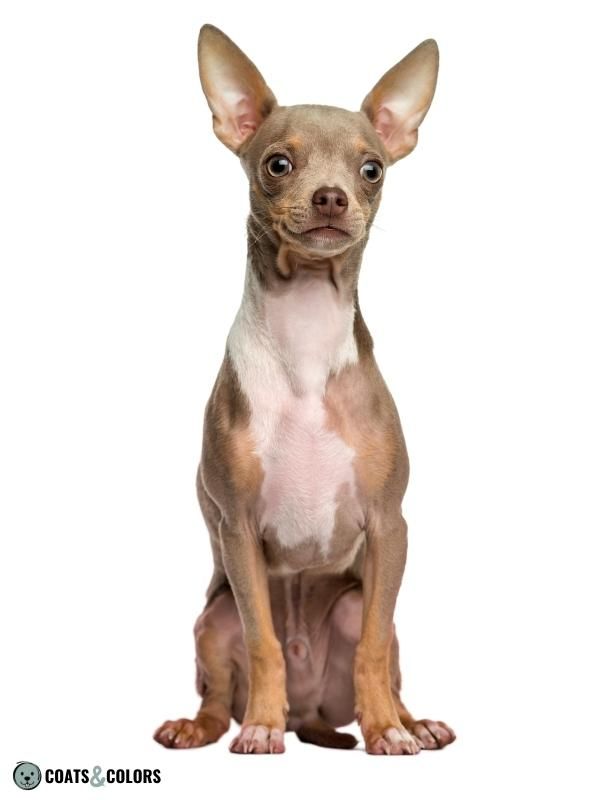
Diluted black pigment looks blue, but is also called ash, silver, gray, or slate. Diluted brown pigment is most often described as sandy, mousy gray, lilac, isabella, or fawn.

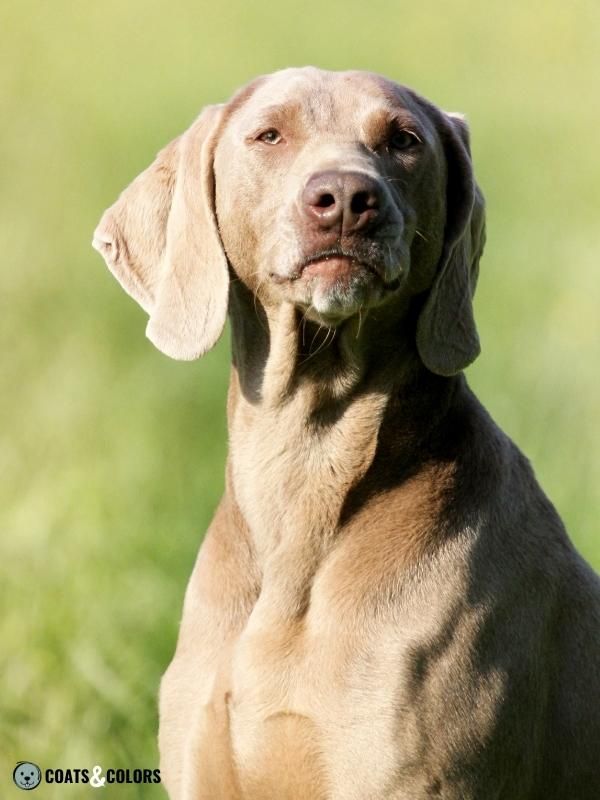
Dogs with eumelanin dilution will also have diluted skin and nose pigmentation.
Blue dogs will have a blue nose and blue footpads, eye rims, lips, skin spots, and nails. And lilac dogs will, in turn, have all their skin and nose pigment turned to a diluted brown color.
However, nose or skin pigment on an adult dog with color dilution can sometimes still be very dark. For example, a dark blue nose can be hard to distinguish from a black nose.
The eyes of dogs with color dilution often have a very light bluish or greenish color in puppies and will regularly stay a light yellow, green, or yellow color in adult dogs.
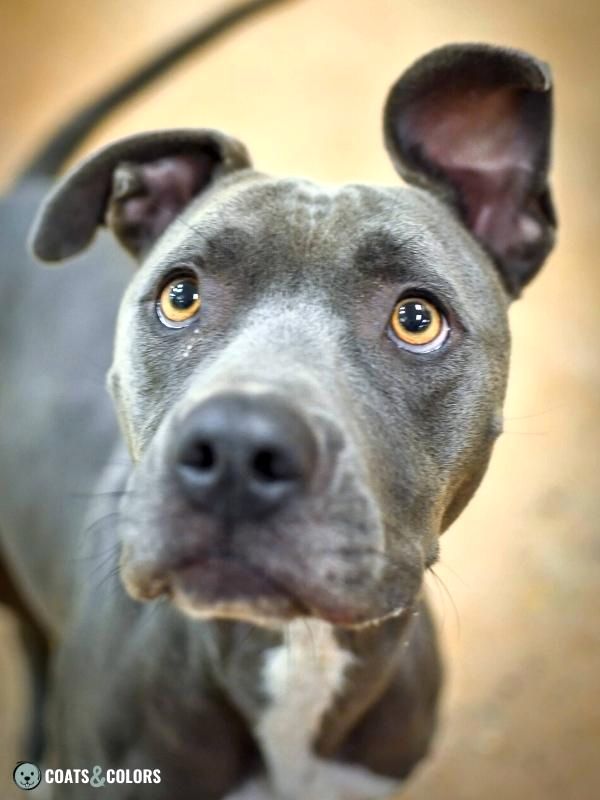
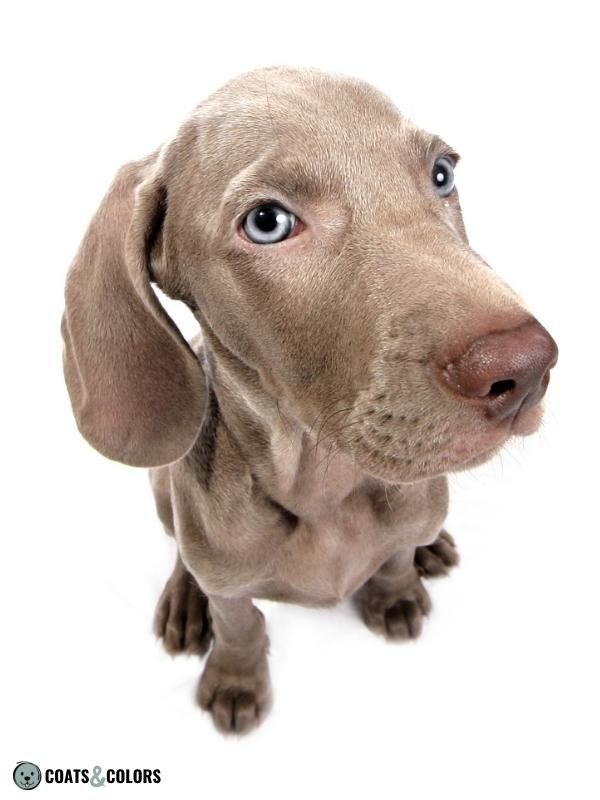
Dilution is present at birth and is very obvious in puppies when compared to non-diluted littermates.

The d Allele
Color dilution is caused by a loss-of-function in the MLPH gene (Melanophilin) on dog chromosome 25. The pigment cells produce and store pigment inside of organelles which are called melanosomes. A functional MLPH gene is needed to transport these melanosomes into growing hair.
If there is less MLPH, this results in defective transport of melanosomes.
This causes the melanosomes to clump together inside pigment cells before these clumps are transported into the growing hair. This clumping also affects the pigment cells found in the skin[4].
So without a fully functional MLPH gene, a dog can’t properly distribute eumelanin from pigment cells into its hair shafts. This causes the pigment to look diluted compared to the wild type.
For now, we know of three different mutations that impair MLPH function (d1, d2, d3).
The d1 allele is the most common variant and was found in a variety of different breeds like American Staffordshire Terrier, Beagle, Doberman, German Pinscher, Large Munsterlander, Miniature Pinscher, or Rhodesian Ridgeback[1].
The d2 was found in Chow Chows, Sloughis, and Thai Ridgebacks[2]. The d3 allele was detected in other breeds like Pumi, Mudi, Shih Tzu, Italian Greyhound, Chihuahua, Pekingese, Tibetan Mastiff, Yorkshire Terrier, and Shetland Sheepdog, but also in some village dogs, wolves, and wolfdogs[3].
Further research is likely to discover some more d alleles[3].
The wild-type allele D for normal pigment is dominant over any of the recessive d alleles:
When will a dog be blue or lilac?
Dogs with at least one functional MLPH gene (D/D or D/d) will express normal pigment.
Eumelanin color dilution is an autosomal recessive trait and will only be visible in the phenotype if a d allele is inherited from both parents (d/d).
The color that gets diluted depends on the B locus. Diluted black dogs (B/- d/d) will be born with blue pigment and diluted brown dogs (b/b d/d) will be born with lilac pigment.
All the different d alleles cause color dilution in any combination, e.g. d1/d1 or d2/d3 or d1/d2. It doesn’t matter what broke the MLPH gene, a dog with any d/d combination still has two faulty alleles.
So technically, every d allele is recessive to the wild-type D allele.
But to actually have a blue or lilac coat color, a dog must have a pattern with at least some eumelanin visible in its coat. An all-white dog with extended white markings or a dog that can only produce phaeomelanin doesn’t have visible eumelanin in its coat that could have been affected by dilution.
In this case, the nose color, eye color, or skin pigment is the only indicator that a dog might be blue or lilac. But this can be a little tricky since some diluted colors can appear very dark in some dogs.
Sometimes you have to test to be sure. If you want to test your dog’s D locus genotype, you should consider what company to test with. Not all companies can test all of the known variants (d1, d2, d3).
D Locus Calculator
This simple tool can help you predict different D Locus combinations:
Color Dilution Alopecia
Some dogs with diluted pigment are affected by color dilution alopecia (CDA), which causes hair fractures, hair loss, and skin problems in areas with diluted pigment[4].
CDA is only seen in blue or lilac dogs and only affects areas with diluted pigment.
But although CDA can only be observed in dogs with a blue or lilac coat, the color dilution itself seems not to causal for CDA. Dilution just enables Color Dilution Alopecia.
There are plenty of dogs with diluted pigment that don’t suffer from CDA. But whatever causes CDA obviously needs areas with diluted pigment to cause the typical symptoms.
Since color dilution is sought after in color-bred dogs, it is introduced into many dog breeds on purpose, e.g. blue Labrador Retrievers. This can potentially create new problems since no one can predict if these traditional non-diluted breed also carry whatever causes CDA in their gene pool.
Blue and Lilac Examples
Phaeomelanin sometimes seems to be a little lighter than expected in dogs with color dilution. But all in all, dilution does not always affect phaeomelanin.
Dilution mainly turns black pigment to blue and brown pigment to lilac, so the actual color depends on a dog’s B locus and where in its base pattern it has eumelanin. Since color dilution affects all the eumelanin in any given pattern, it can create a variety of distinct phenotypes:
Diluted Solid Patterns
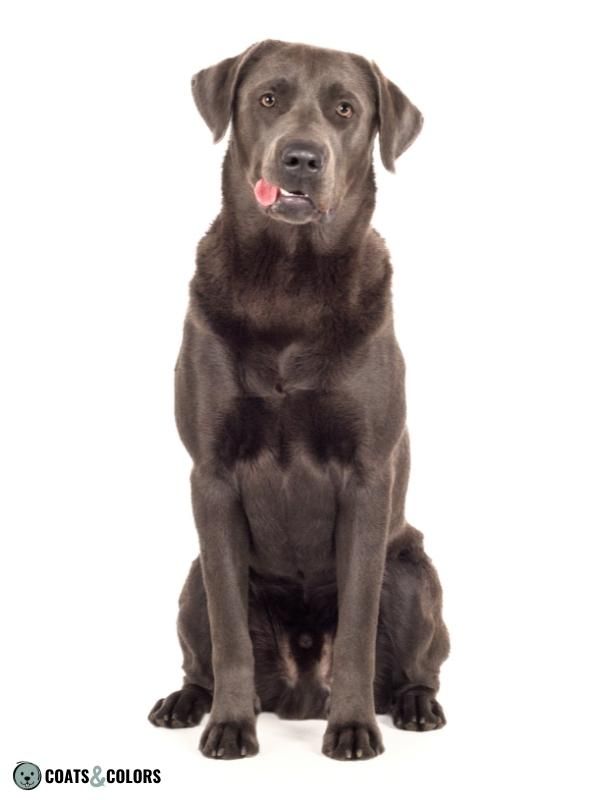
Dogs with dominant black or recessive black have a solid dark pattern.
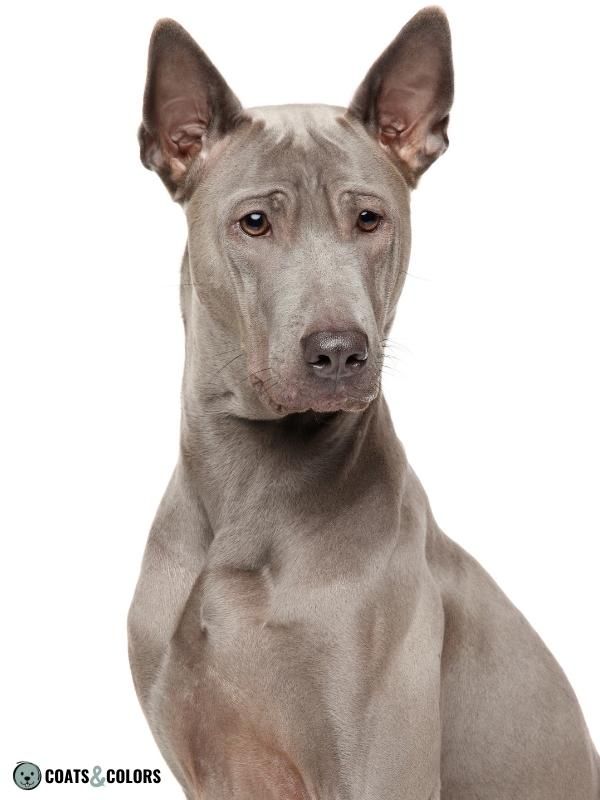
A solid blue coat can be seen in dog breeds like Mudi, Greyhound, Whippet, American Staffordshire Terrier, Great Dane, Newfoundland, or Thai Ridgeback, etc.
A solid lilac coat can be found in Weimaraners and Slovakian Pointers. It is also known to occasionally occur in some other breeds, e.g. Kelpie, Chihuahua, Shar Pei, or Chesapeake Bay Retriever, etc.
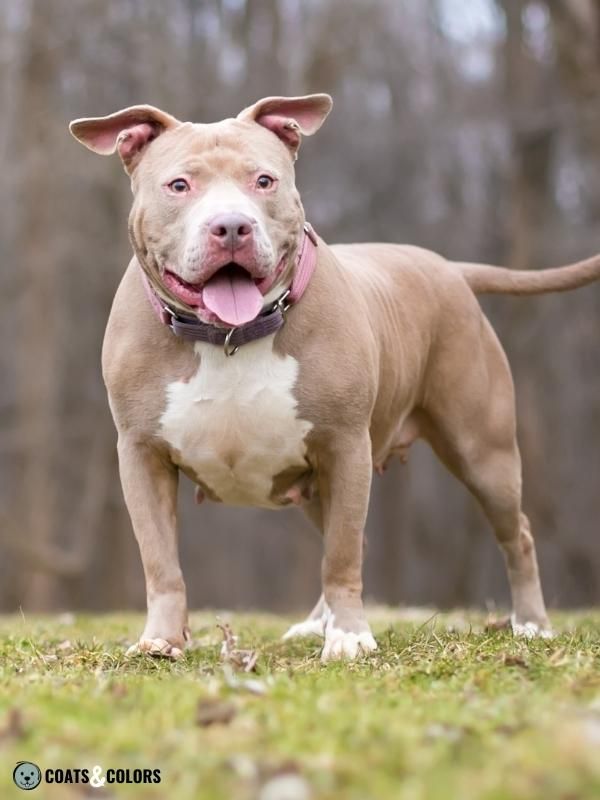
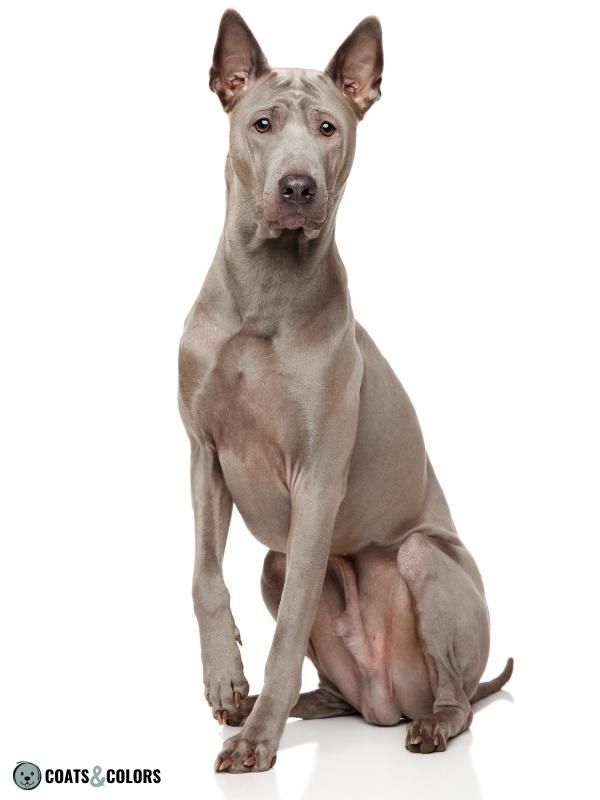
An unknown traits can cause incomplete dominant black in KB/- dogs. This will cause reddish undertones and causes a “ghost A locus pattern” (for example, ghost tan points or ghost sable aka “seal”).
Diluted Nose & Eye Color
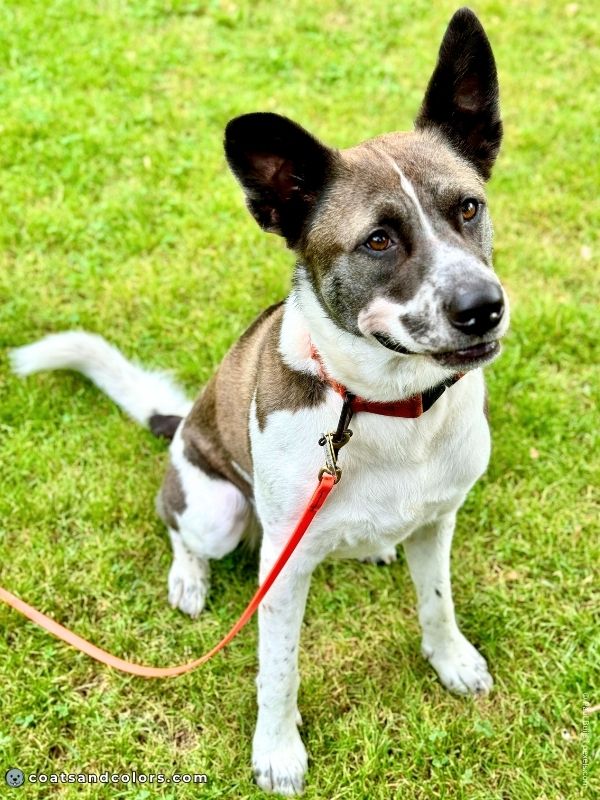
In blue dogs, all the eumelanin will be blue. So even the nose, lips, eye rims, or footpads will be blue. The same goes for lilac dogs, where all the eumelanin on a dog will turn lilac.
Dogs with color dilution typically have lighter eyes than dogs without color dilution. Puppy eye colors range from sky blue to yellow-green and will darken to pale amber or yellow-green in adults.
This also applies to dogs where eumelanin is not expressed in the coat. The will still have diluted nose and skin pigment and tend to have a lighter eye color.
Dilution & White Spotting
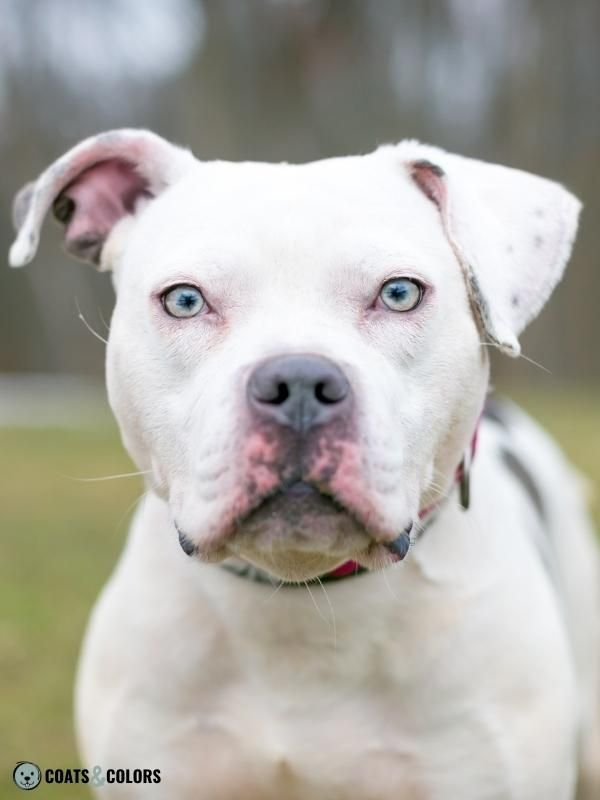
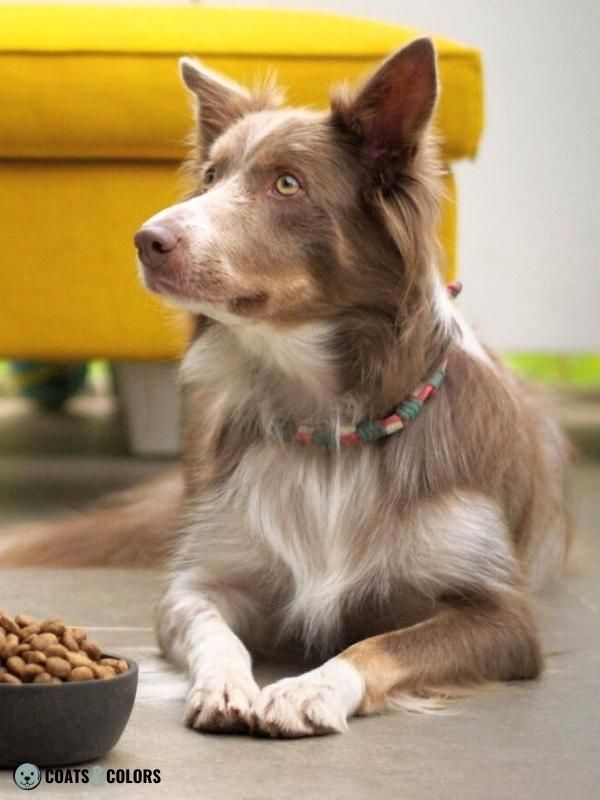
White spotting from things like piebald or whitehead can hide some of the color in a dog’s coat. Ticking or roan can sometimes develop inside white markings giving some of the color in these areas back.
These are examples of blue & white or lilac & white dogs:
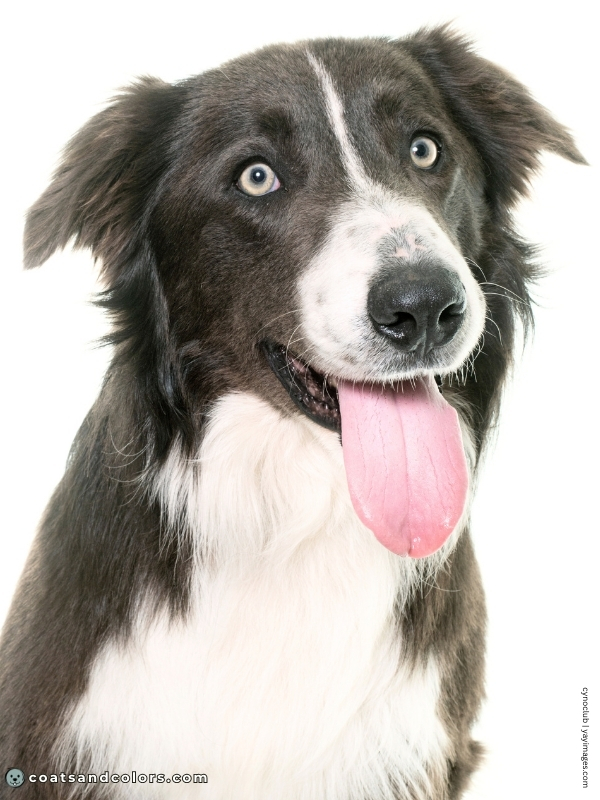
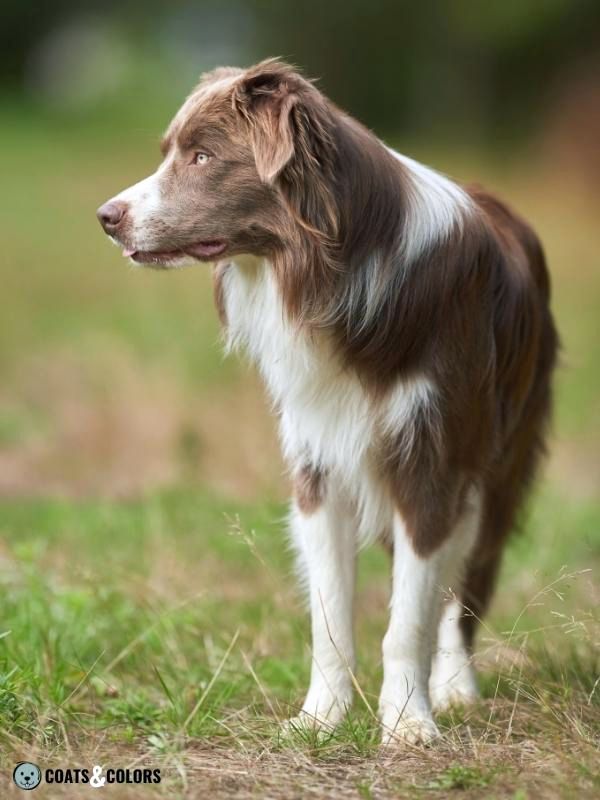
Dilution & Sable
In tipped and shaded sable patterns, the dog has dark hair tips on its back.
If a dog produces blue pigment, then all its hair tips will be blue. And if a dog is lilac, all of its hair tips will be lilac. But of course, blue gives a far better contrast on a yellow or red base color than lilac.
A “blue fawn” color can be found in many breeds of dogs. A “lilac fawn” color is not quite as common, because it requires a dog to be homozygous recessive for both traits, brown and dilution (b/b d/d).
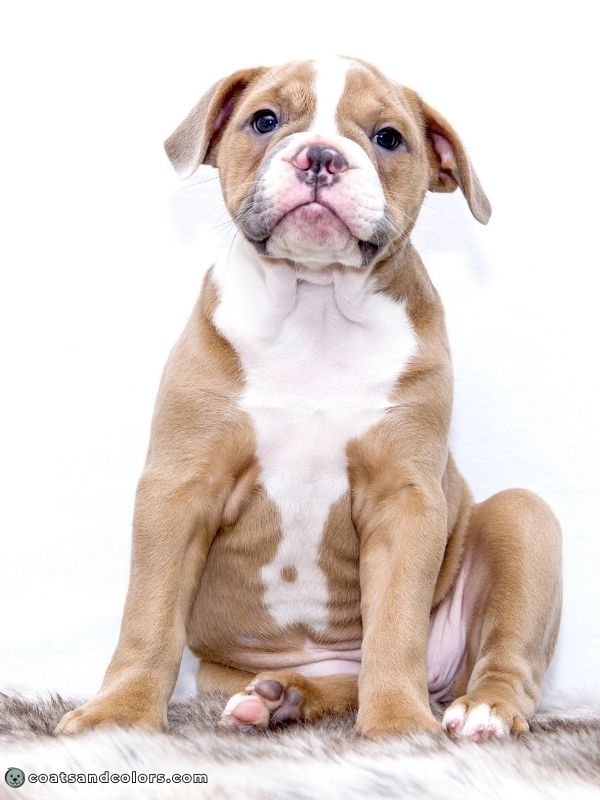

Dilution & Brindle
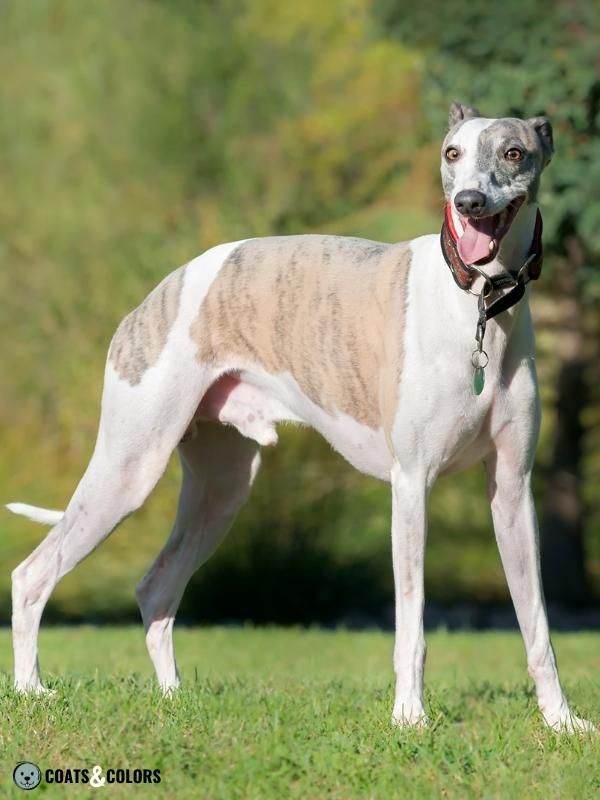
The brindle pattern causes vertical stripes of eumelanin on top of any yellow or red areas in the pattern. These brindle stripes will also be diluted if a dog’s pattern is blue- or lilac-based.
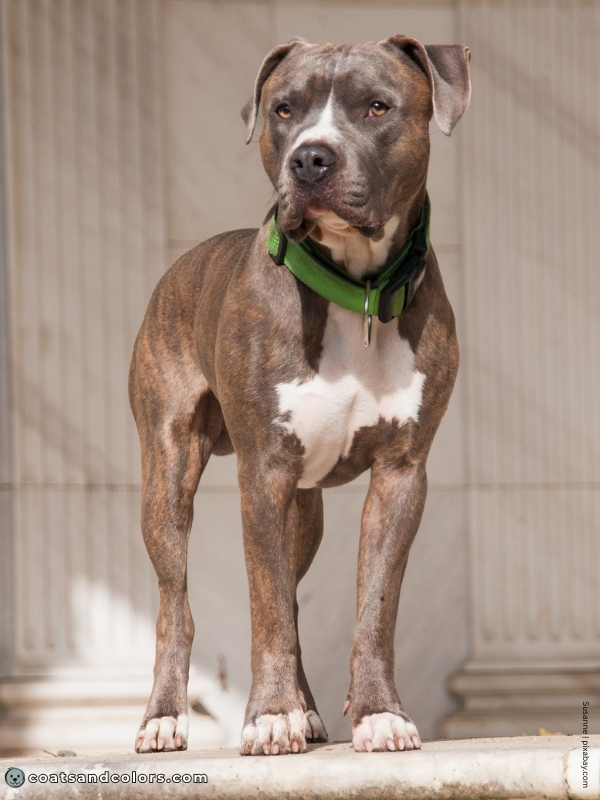
A pale lilac brindle can be barely visible because of the poor contrast between lilac stripes on a red base. But blue brindle is very common in Cane Corso, Whippet, Greyhound, Neapolitan Mastiff, or Staffies.
Dilution & Tan Points
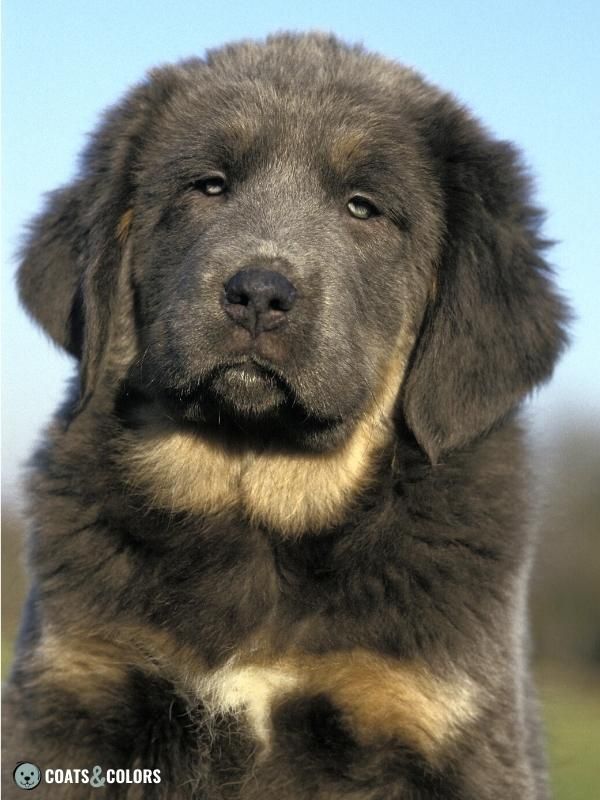
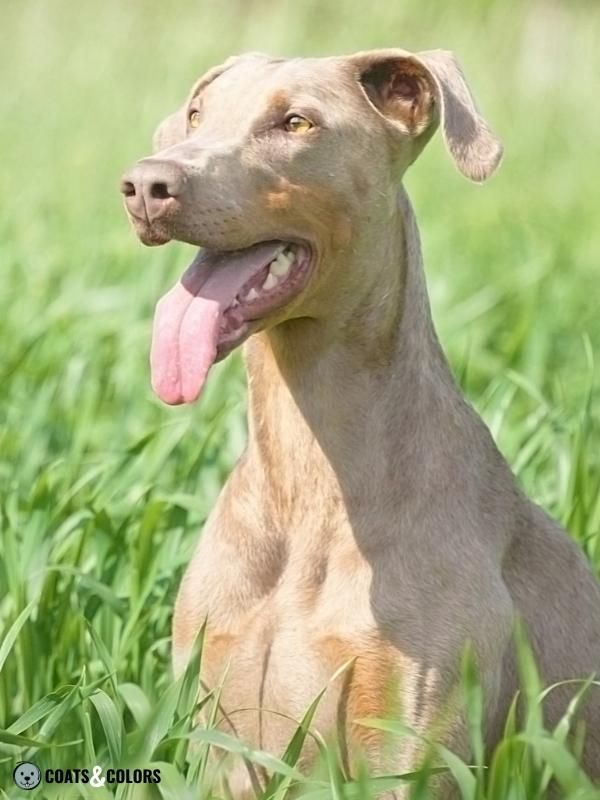
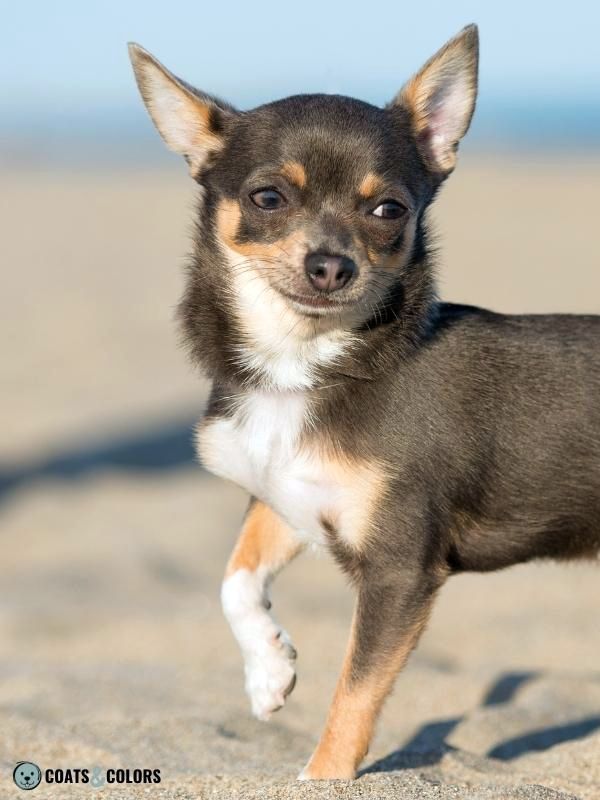
A black-and-tan pattern will turn to blue-and-tan, while liver-and-tan will turn to lilac-and-tan when affected by color dilution. This coloration can be found in many breeds, such as Chihuahuas, Tibetan Mastiffs, or Dobermans (the latter call their lilac-tan points “fawn“).
Dilution & Saddle Tan
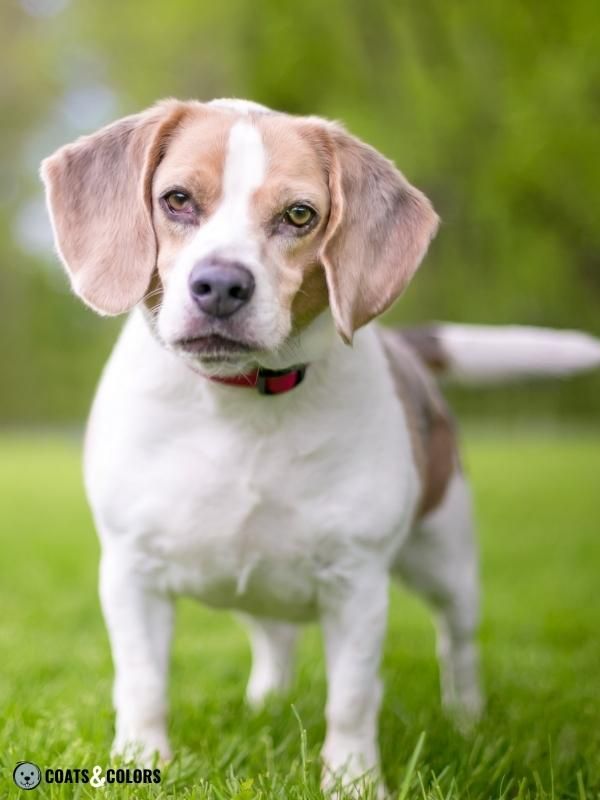
Since a dark saddle gets its color from eumelanin, it will be affected by color dilution.
Dilution & Agouti
The combination of blue or lilac pigment with a wolf grey coat is quite rare.
The best chance to spot one might be in color-bred German Shepherd Dogs.
As agouti is called “sable” in GSD they call their dilute pattern blue sable and lilac sable, but these terms should not be confused with a true sable pattern.
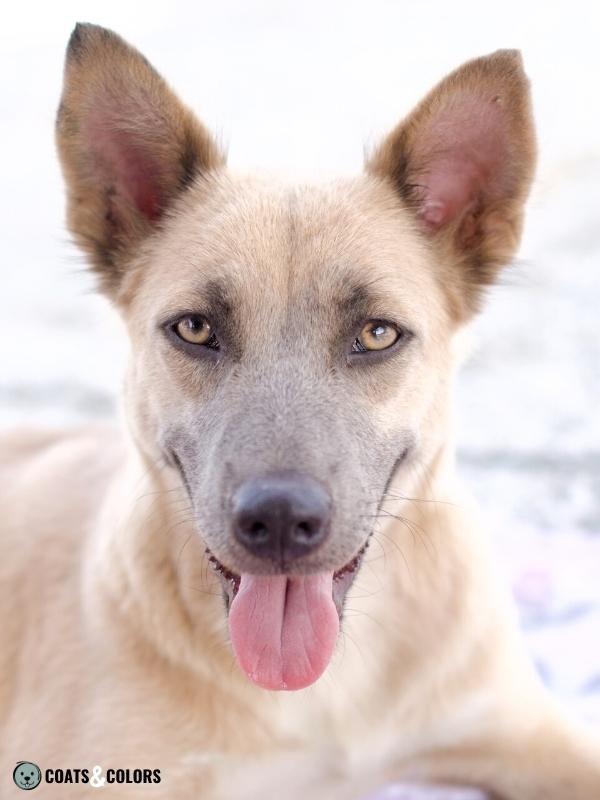
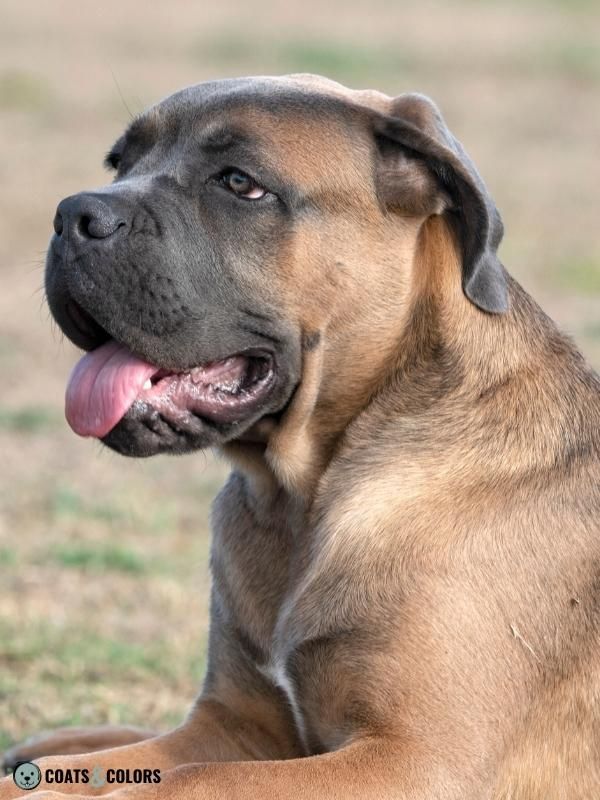
Dilution & Masks
Masks express as an overlay of eumelanin on a dog’s muzzle.
Dilution & Merle
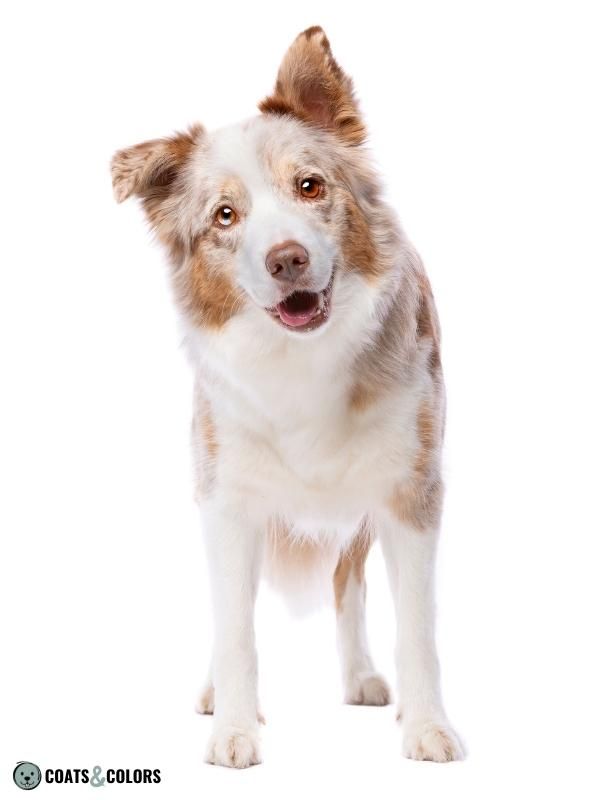
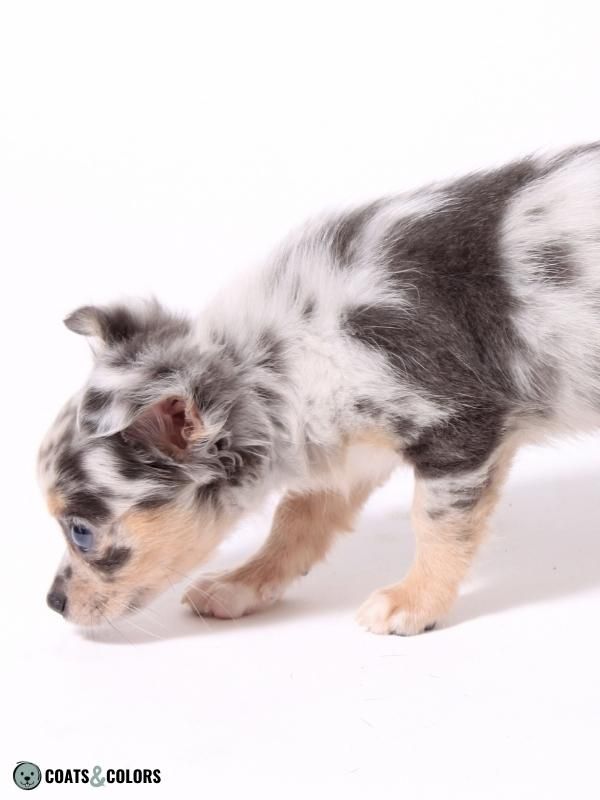
A black-based merle pattern is often called “blue merle“, but any non-merled black patches will be black. On a diluted black merle or slate merle pattern, the darkest non-merled patches will be blue.
If a merle dog has a brown-based merle pattern (many breeds call this “red merle”), all the dark patches will be brown. Color dilution turns this into lilac merle, with all the non-merled areas being lilac.
Dilution & Graying
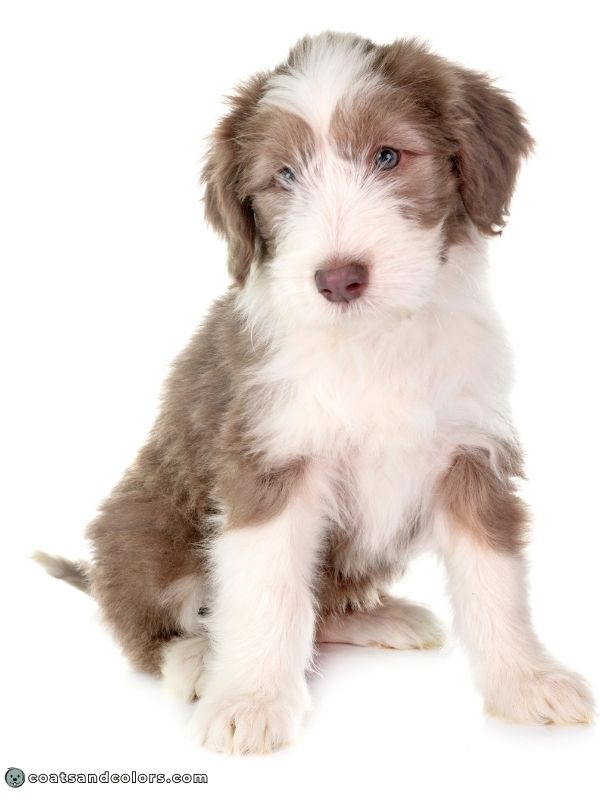
Progressive graying causes all the eumelanin in a pattern to fade over time. It only affects bearded dogs, their black hairs will fade to blue or silver, and brown coat will fade to a sandy beige or taupe color.
If you add color dilution, then puppies already start out with a lighter shade of pigment.
This means they will fade to an even lighter color in adulthood. Sometimes, only the nose pigment and puppy images can tell if a gray dog was “born black” or “born blue“.
The combination of black, blue, brown, or lilac with graying happens in Bearded Collies, for example.
Dog Breeds with Color Dilution
Although eumelanin dilution is often advertised as a “rare trait”, it is found in many dog breeds.
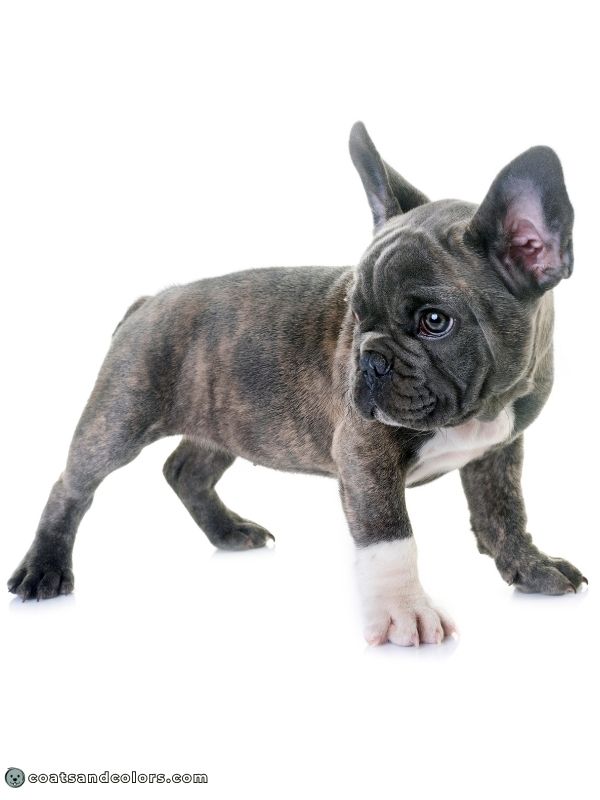
In some of these breeds, it occurs at a very low frequency or is considered a faulty non-standard color (e.g. Malinois, Australian Shepherd, Rhodesian Ridgeback). In others, it was introduced on purpose to produce colorful puppies (e.g. French Bulldog, Labrador Retrievers).
But in many other dogs blue or lilac coat is a common and accepted coat color:
- American Pit Bull Terrier
- American Staffordshire Terrier
- Australian Kelpie
- Bearded Collie
- Beagle
- Border Collie
- Cane Corso
- Chihuahua
- Chinese Crested Dog
- Chow Chow
- Doberman
- Great Dane
- Greyhound
- Italian Greyhound
- Mudi
- Neapolitan Mastiff
- Newfoundland
- Pumi
- Russian Toy
- Shar Pei
- Shih Tzu
- Slovakian Pointer
- Staffordshire Bull Terrier
- Terrier Brasileiro
- Thai Ridgeback
- Tibetan Mastiff
- Weimaraner
- Whippet
Dilute Look-Alikes
Some other coat colors can resemble a dog with diluted pigment:
- Progressive graying isn’t present at birth but can fade a dog’s pigment to a grayish color in black dogs or a beige color in brown dogs. But the nose pigment will keep its darker shade.
- Atypical merle can give a very uniform and faint pattern even on a black or brown dog.
- Fever Coat is a phenomenon that causes a grayish or grizzled color in puppies. It’s likely a result of some problems during pregnancy, and most puppies go back their normal color after some time.
- Arctic domino and grizzle can give solid black dogs a very uniform grayish or “blue” phenotype.
- Dogs with heavy black ticking or roan patterns are sometimes called blue.
- There is a rare disease in Rough Collies called cyclic neutropenia or gray collie syndrome. This blood cell disorder causes a variety of symptoms and a severly limited life expectancy.
Learn More

Links
[1] Cord Drögemüller, Ute Philipp, Bianca Haase, Anne-Rose Günzel-Apel, Tosso Leeb. A Noncoding Melanophilin Gene (MLPH) SNP at the Splice Donor of Exon 1 Represents a Candidate Causal Mutation for Coat Color Dilution in Dogs. Journal of Heredity, Volume 98, Issue 5, July/August 2007, Pages 468–473. https://doi.org/10.1093/jhered/esm021
[2] Bauer, A., Kehl, A., Jagannathan, V., Leeb, T. : A novel MLPH variant in dogs with coat colour dilution. Anim Genet 49:94-97, 2018. Pubmed reference: 29349785. http://dx.doi.org/10.1111/age.12632
[3] Van Buren, S.L., Minor, K.M., Grahn, R.A., Mickelson, J.R., Grahn, J.C., Malvick, J., Colangelo, J.R., Mueller, E., Kuehnlein, P., Kehl, A. : A Third MLPH Variant Causing Coat Color Dilution in Dogs. Genes (Basel) 11:, 2020. Pubmed reference: 32531980. http://dx.doi.org/10.3390/genes11060639
[4] Philipp, U., Hamann, H., Mecklenburg, L., Nishino, S., Mignot, E., Günzel-Apel, A. R., Schmutz, S. M., & Leeb, T. (2005). Polymorphisms within the canine MLPH gene are associated with dilute coat color in dogs. BMC genetics, 6, 34. https://doi.org/10.1186/1471-2156-6-34
Image Credits
willeecole123/yayimages.com
cynoclub/yayimages.com
Gilberto Reyes/pexels.com
Ilona Krijgsman/pixabay.com
Paul Buijs/pexels.com
Susanne/pixabay.com
Rebecca Scholz/pixabay.com
Vuk Wolf/pexels.com
Hi! I’m Steffi. I am a biologist and a big time dog nerd. You are curious about coat color genetics? You’ve come to the right place! Read more.